
Market Gardening
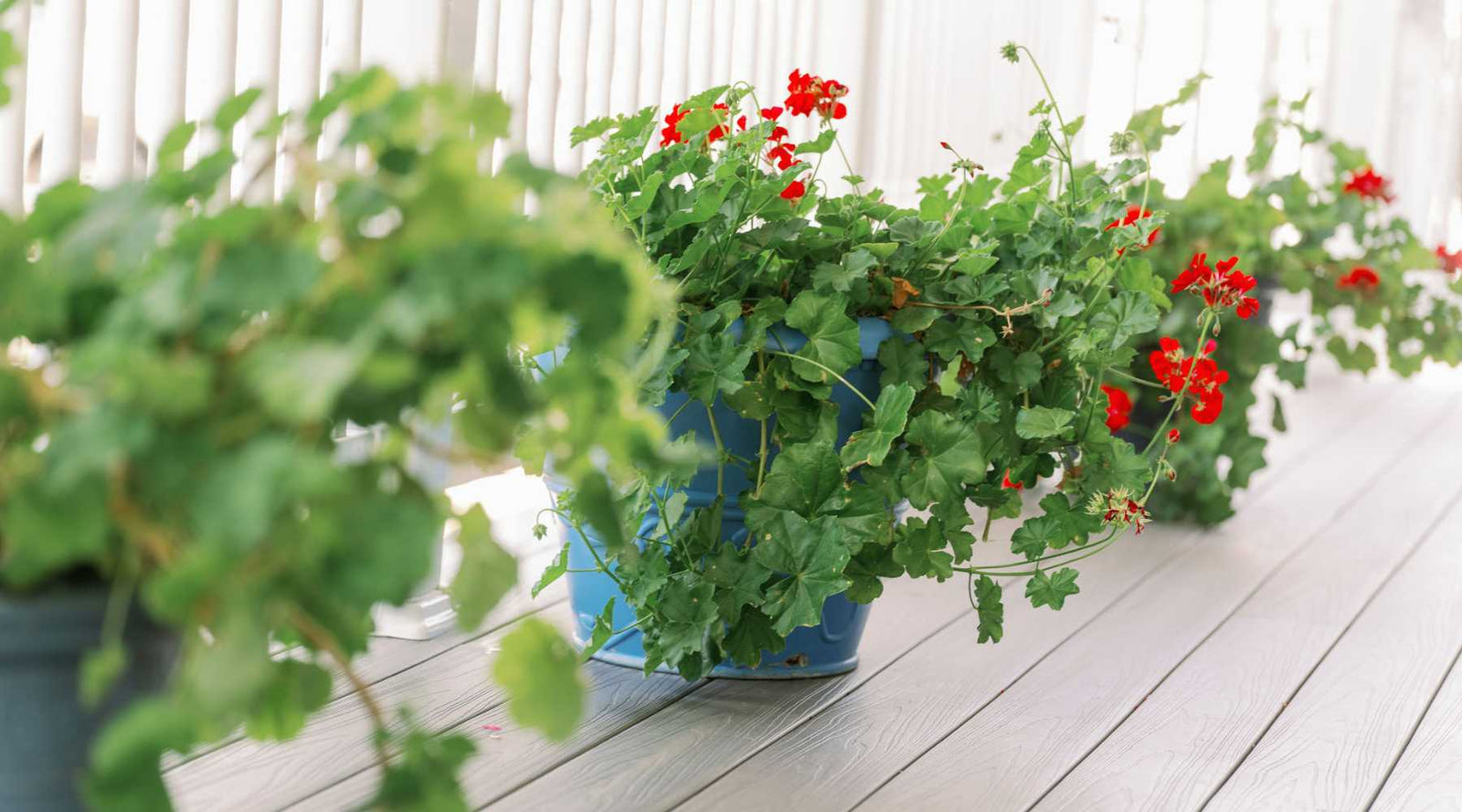

Growing Geraniums for Market Success
If you’re looking for high-quality and efficient market sales this spring, master growing geraniums.
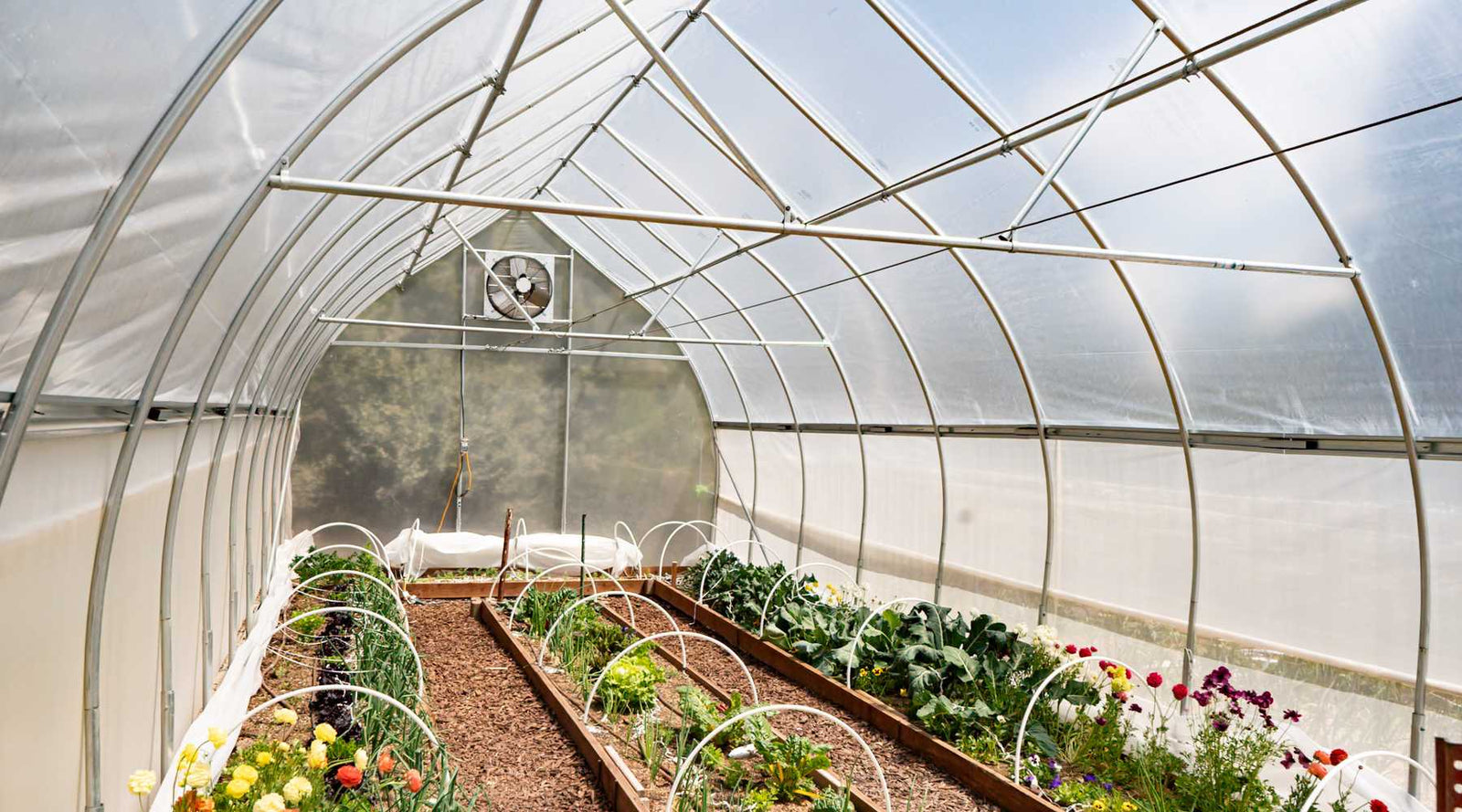

5 (Unexpected) Crops that Thrive in a Tunnel Greenhouse
Unique crops on farmers’ market tables are exciting, and you can charge a premium for them.
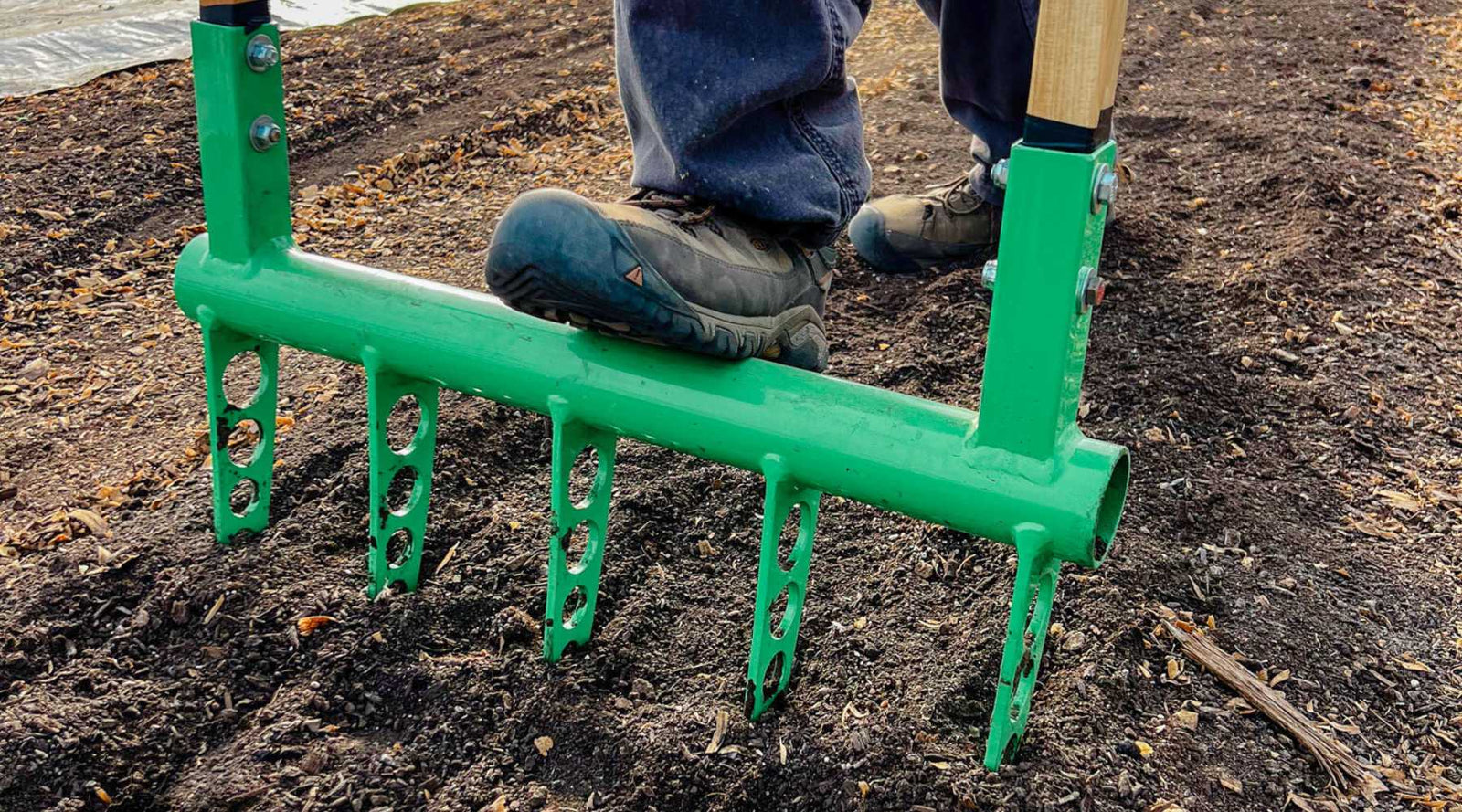

How to Use a Broadfork: Techniques for Healthier Soil and Stronger Plants
Are you looking for an efficient way to improve soil aeration and structure? The broadfork is going to be your new best friend.
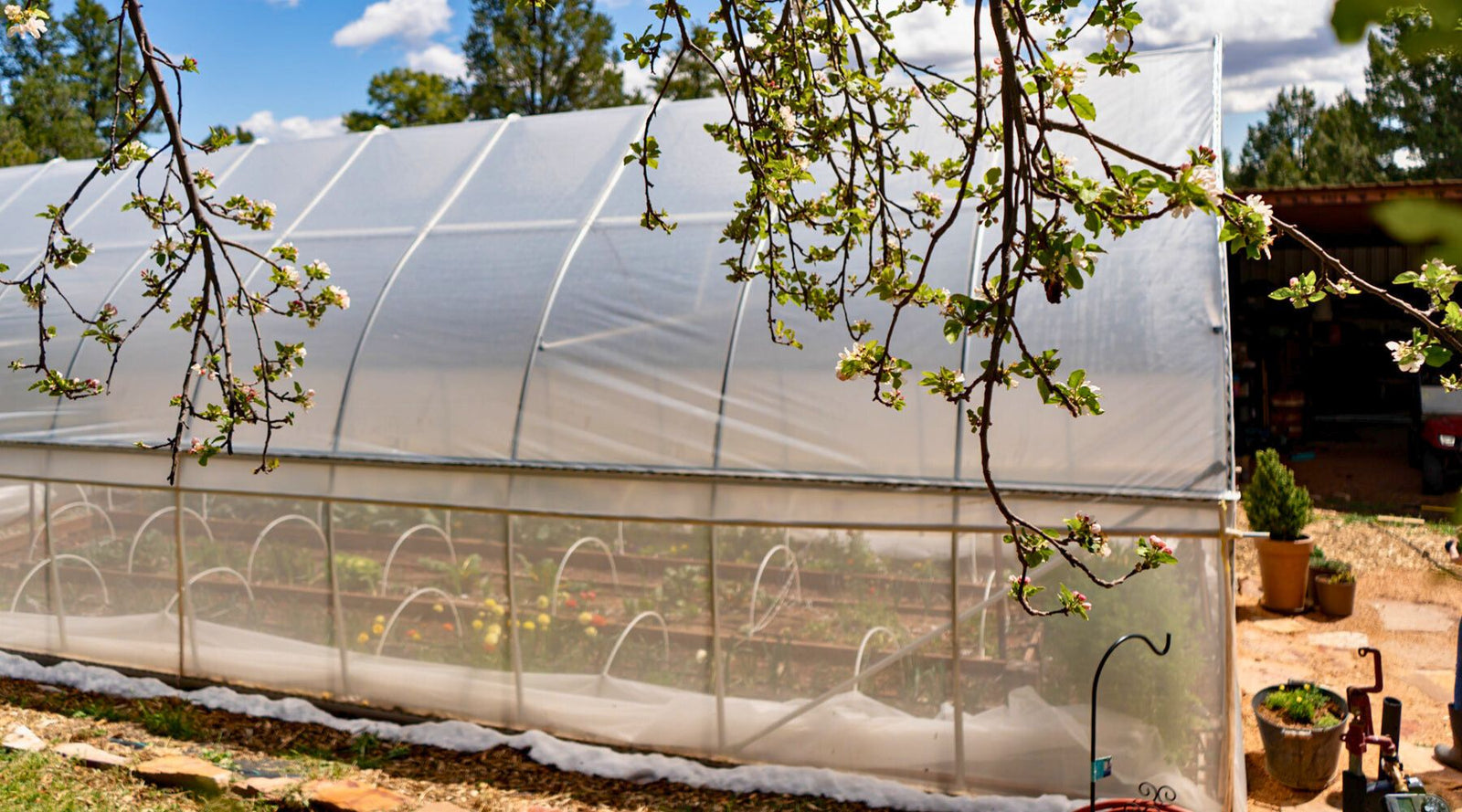

10 Effective Crop Protection Techniques Every Farmer Should Know
We’ve gathered our best resources, tools, and expert knowledge so you can start your season confident in your farm’s protection.
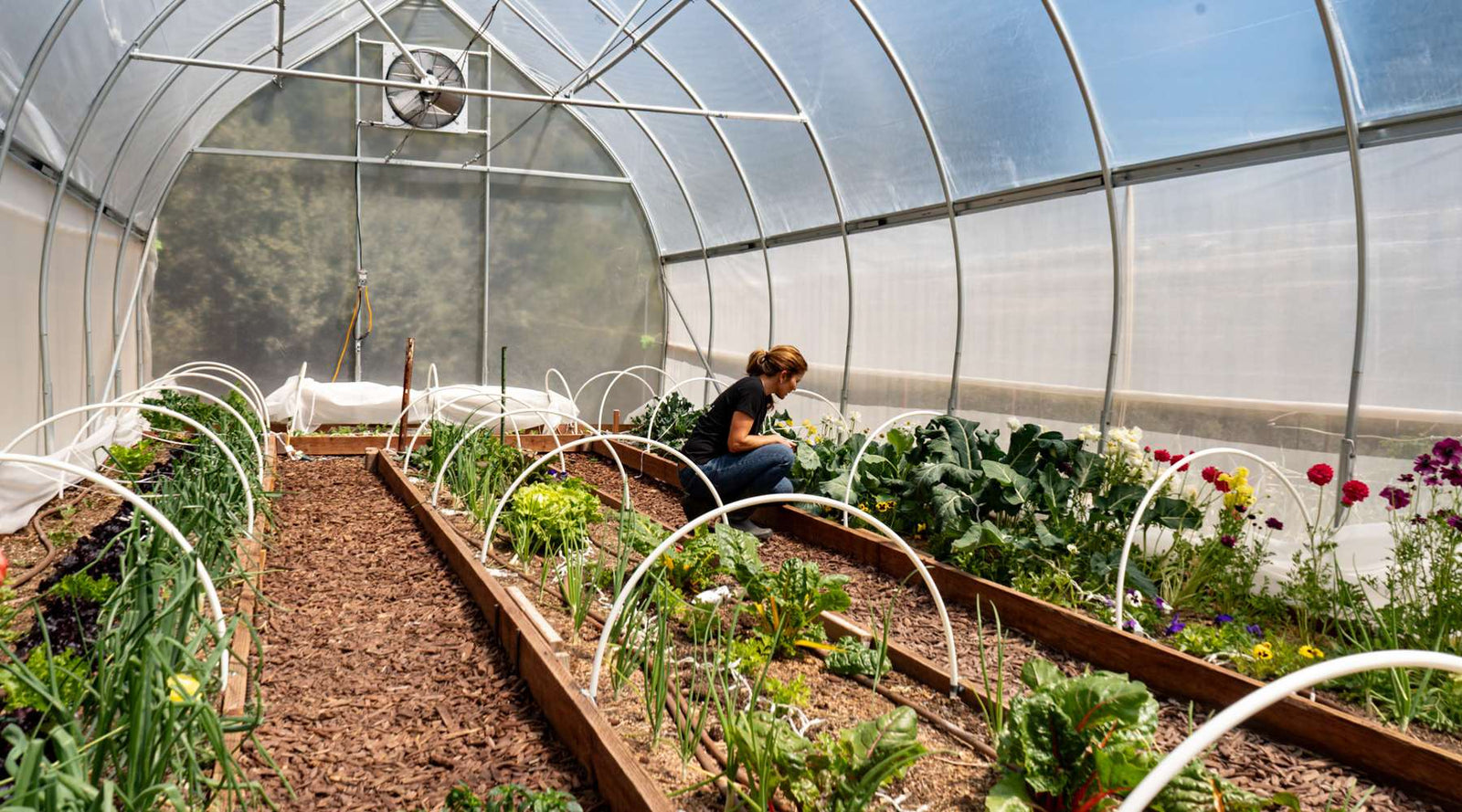

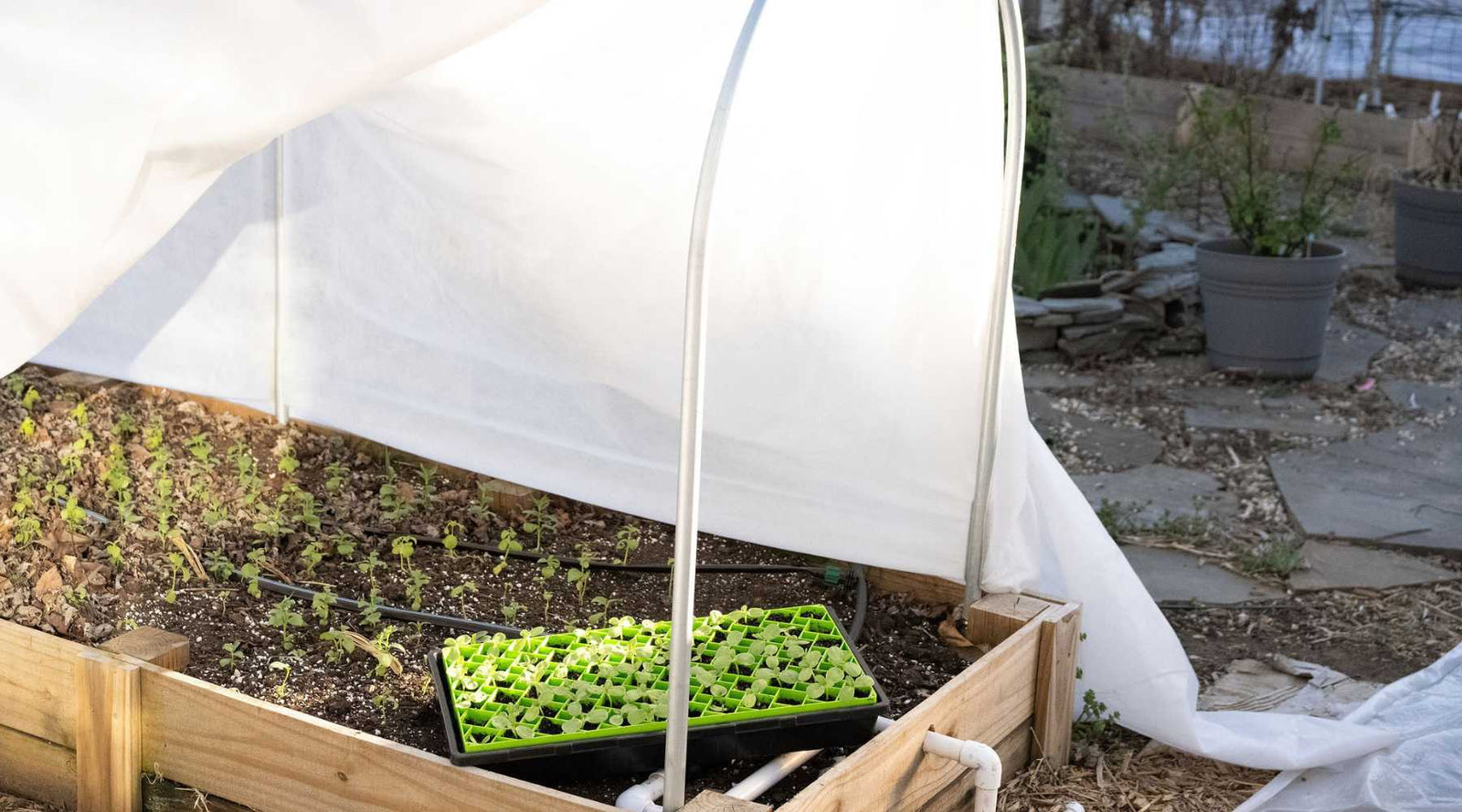

How Low Tunnels Can Simplify Hardening Off for Healthy Transplants
The hardening-off process is a crucial step when starting plants from seed. Low tunnels are an efficient and easy way to simplify the process.
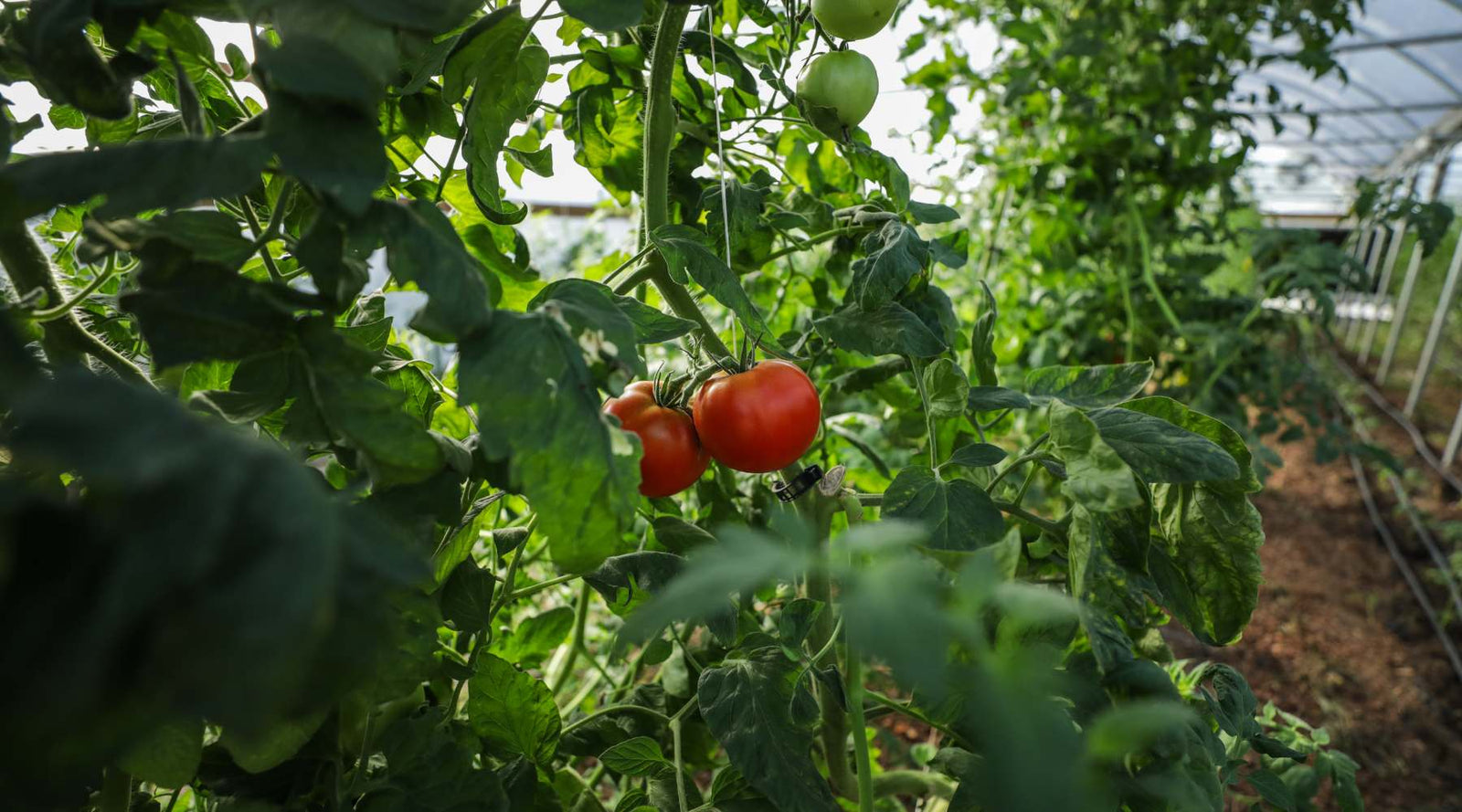

Treating Tomato Blight: Easy Soil Sterilization Tips for Healthy Plants
Tomato blight can be very dangerous to your crops, so it’s essential to know the symptoms, how to prevent it, and what to do if you suspect it in your soil.
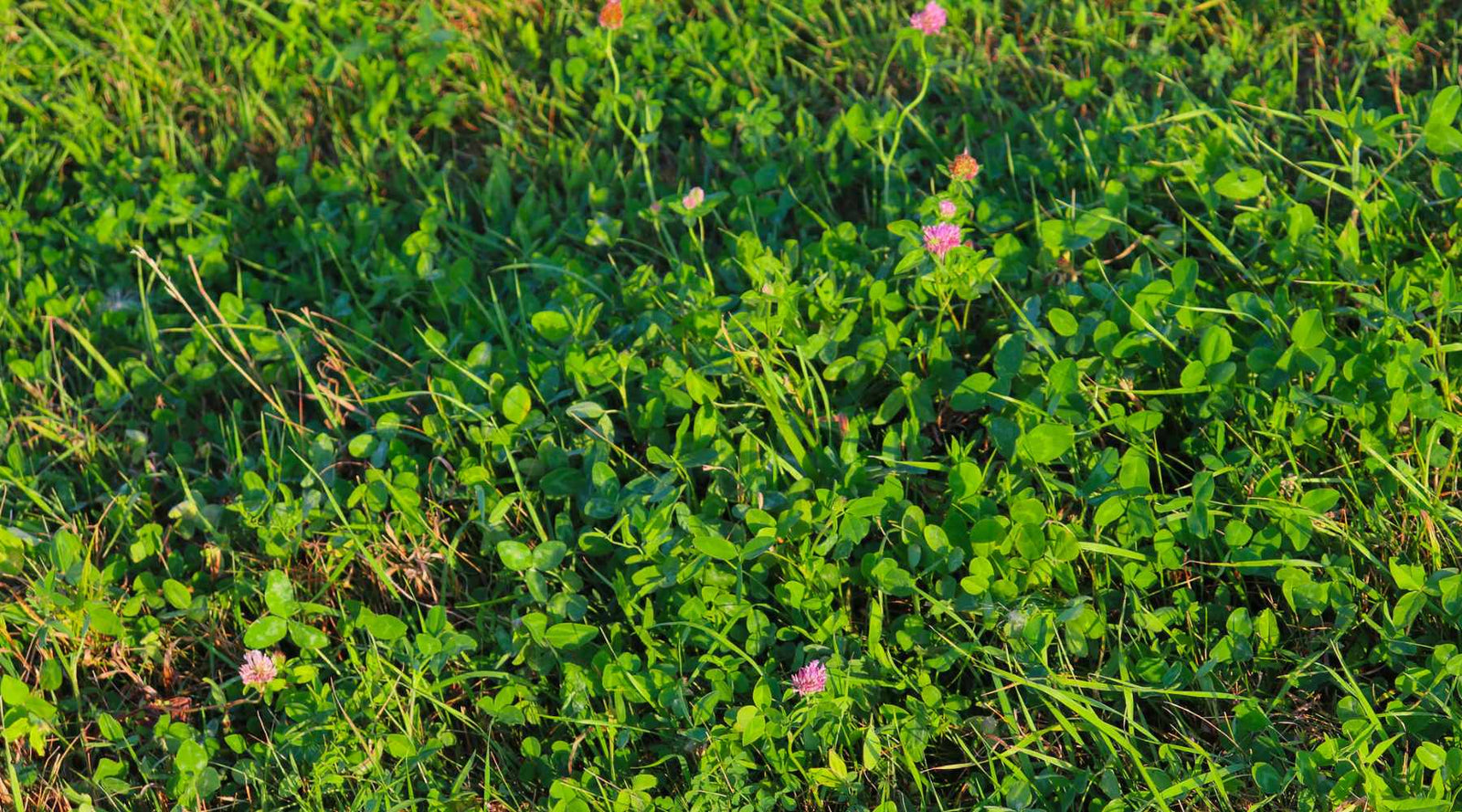

Why Clover is the Best Winter Cover Crop for Your Garden
By using clover cover crops, growers can reduce the need for harmful chemical herbicides and dependence on fertilizers.
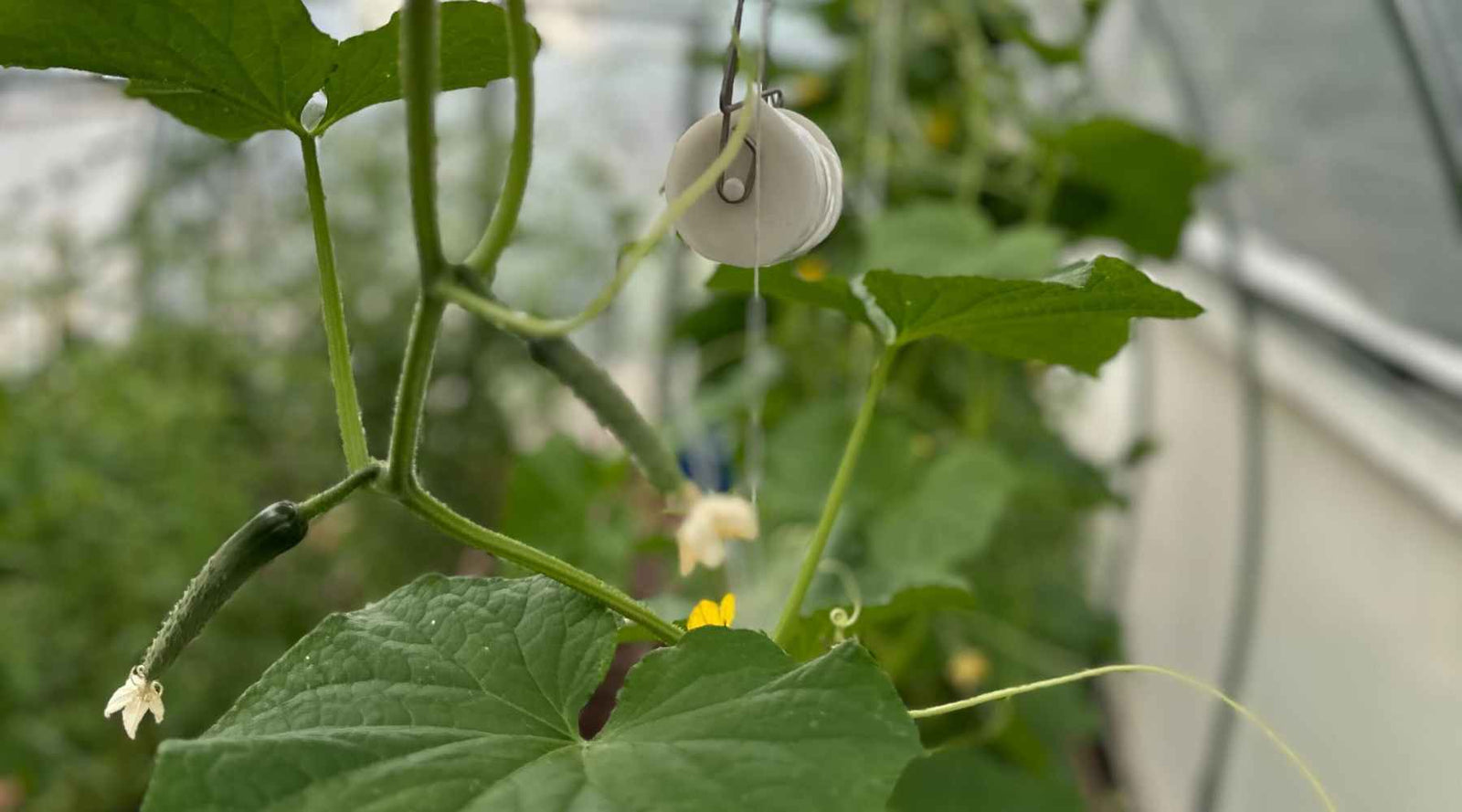

Optimal Spacing for Planting Cucumbers on a Trellis for Best Yields
Learn all about the benefits of proper spacing and trellising your cucumbers
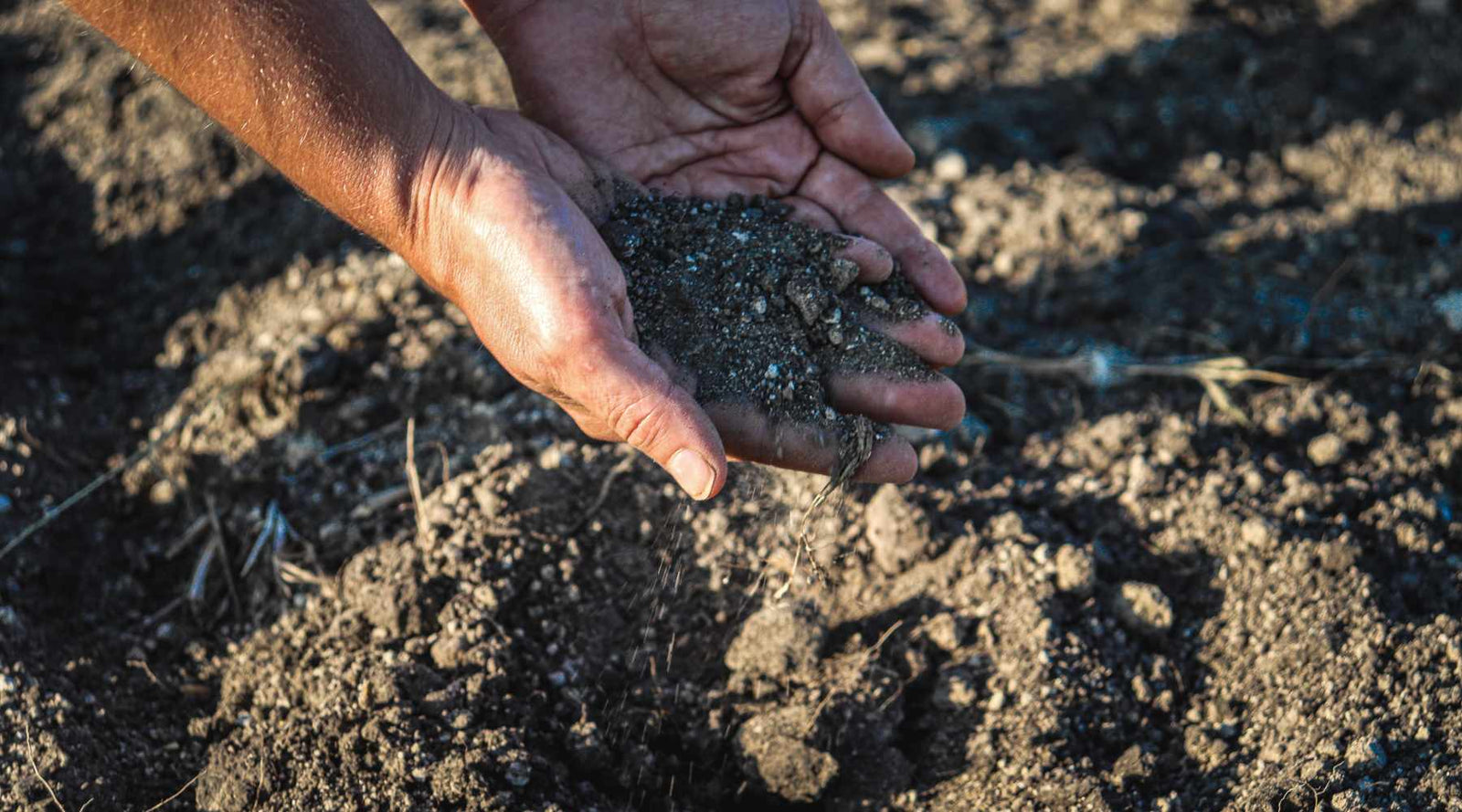

Why Organic Matter is Key to Sustainable Soil Management
Let’s discuss what good things come about when organic matter is present in the soil.


Quick Tips for Repairing Greenhouse Plastic Like a Pro
Let us walk you through how to effectively repair your greenhouse plastic and get it back to protecting your crops.
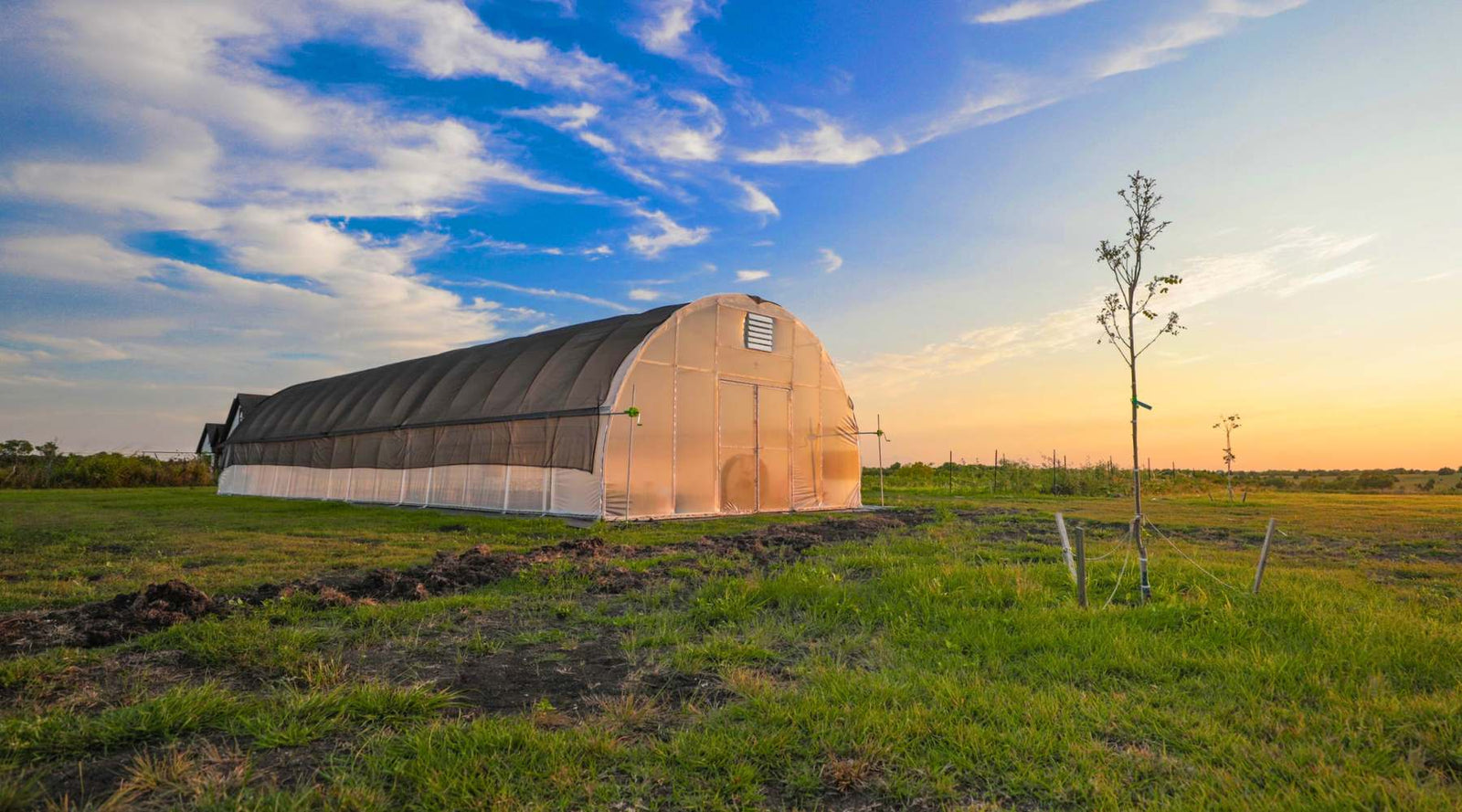

Understanding NRCS High Tunnel Funding
Funding may support the purchase of a manufactured high tunnel as well as energy upgrades to an existing high tunnel.
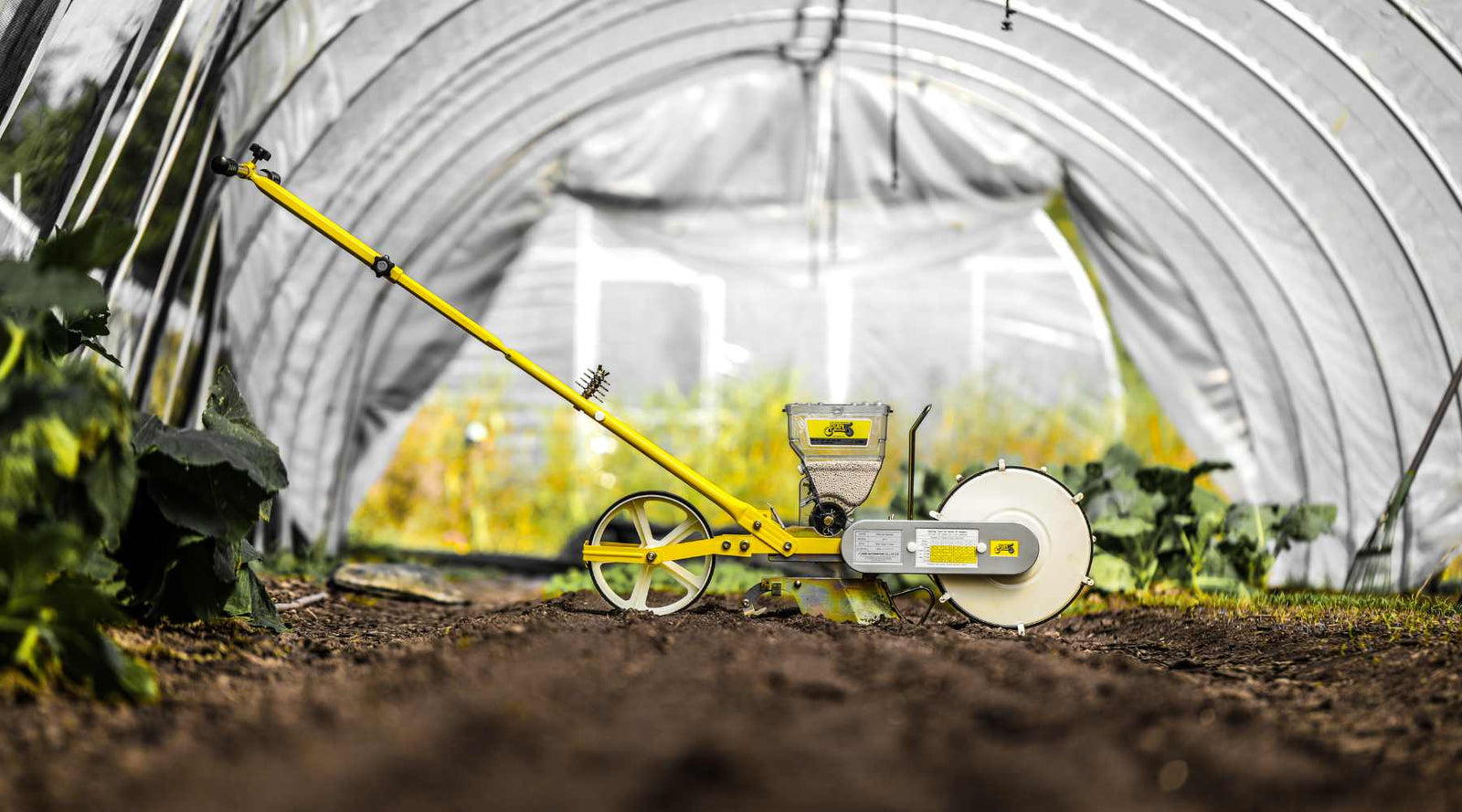

Maximize Planting Efficiency: JP-1 Jang Seeder and Succession Planting
The durability and precision of seeding the JP-1 can accomplish is astounding. It’s highly adaptable to different-sized farms and gardens and is worth its weight in carrots.
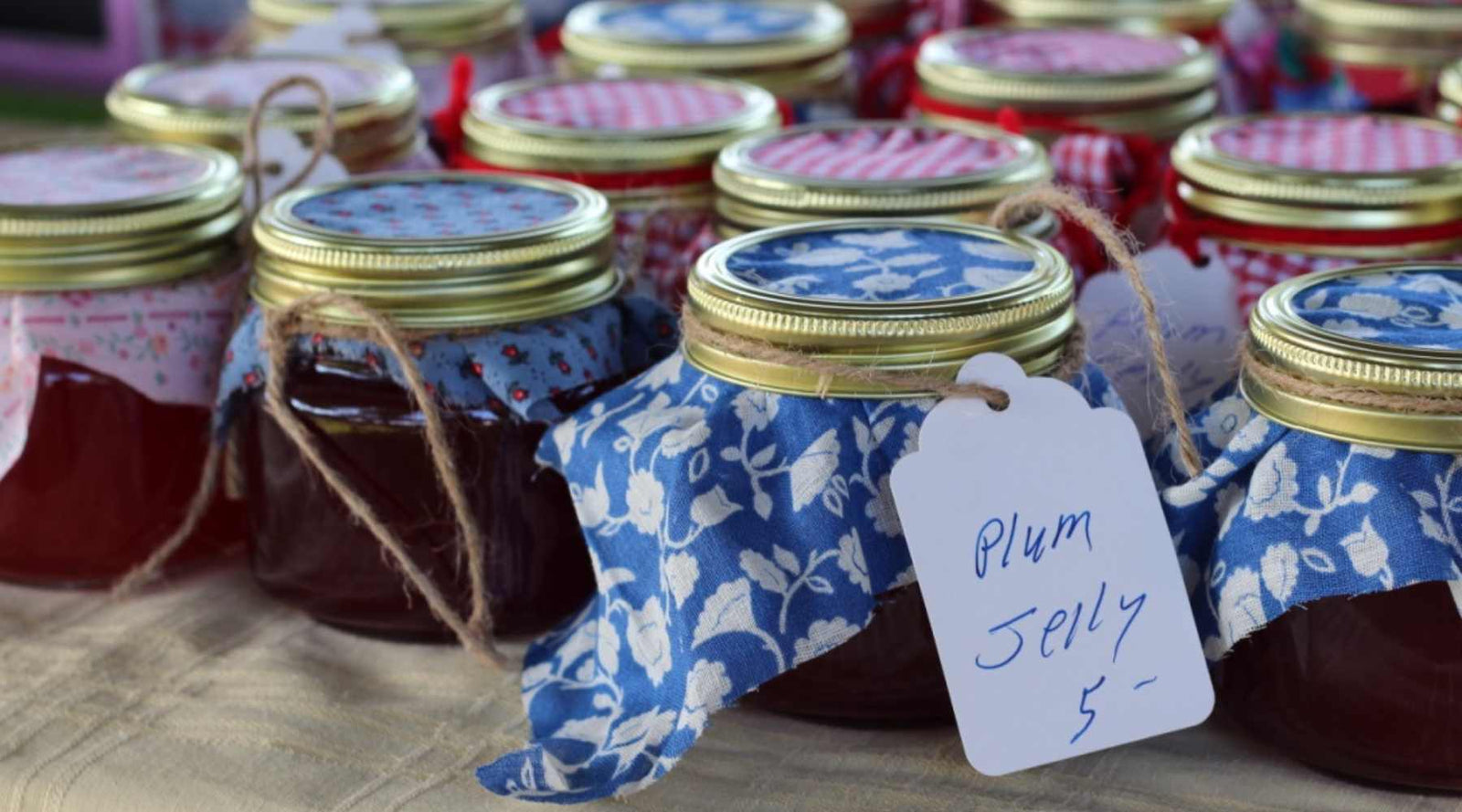

Boosting Your Farm's Income with Value-Added Products
Value-added products are a great way to boost farm income. Whether you live in a cold region and are looking for ways to extend your market season or are searching for creative ways to utilize bumper crops for extra cash, you’re in the right place.
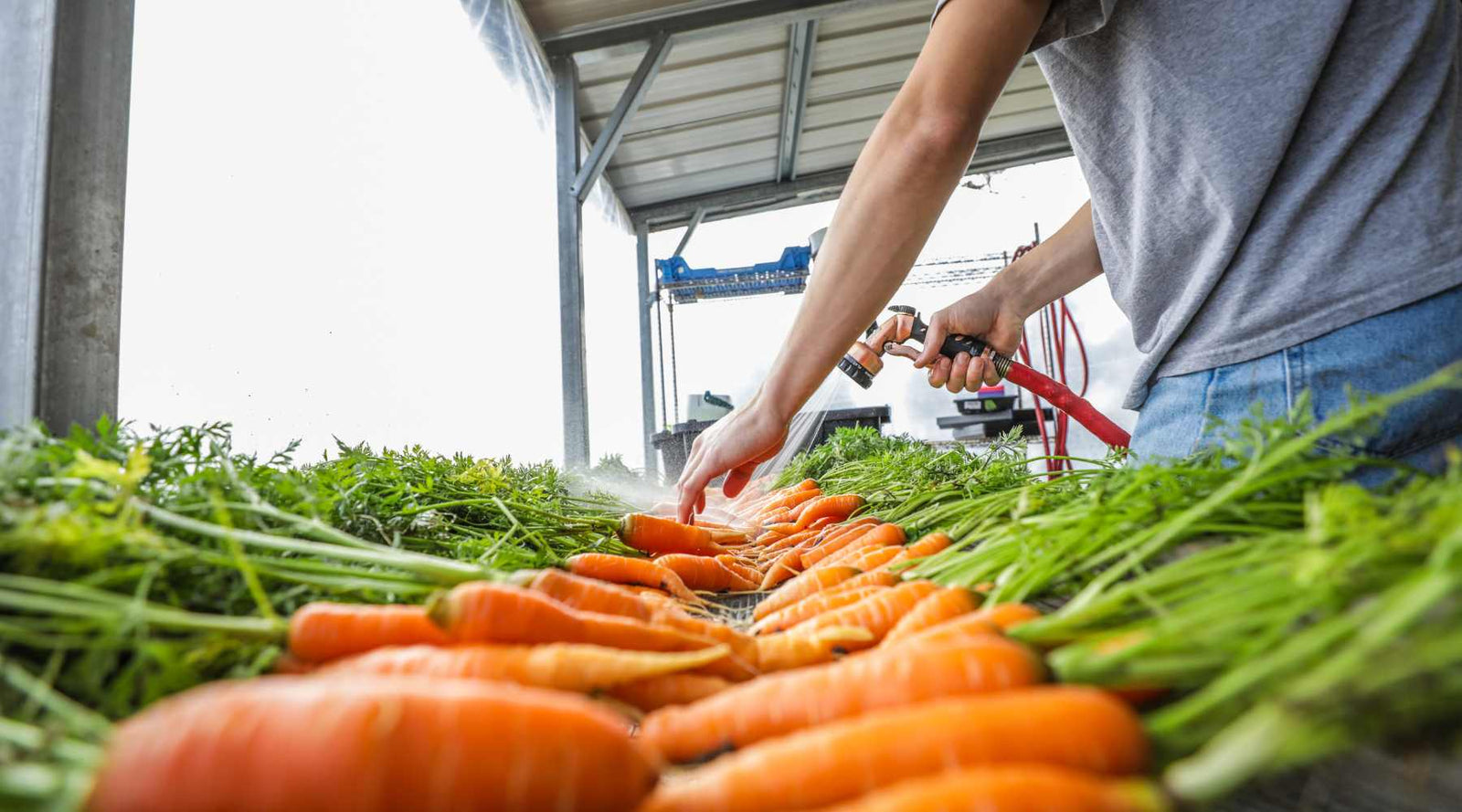

Truck Farming and Mobile CSAs
Looking to start your own vegetable farm? Truck farming is a great way to do it, and this guide will teach you everything you need to know about raising produce and selling it directly to your market.
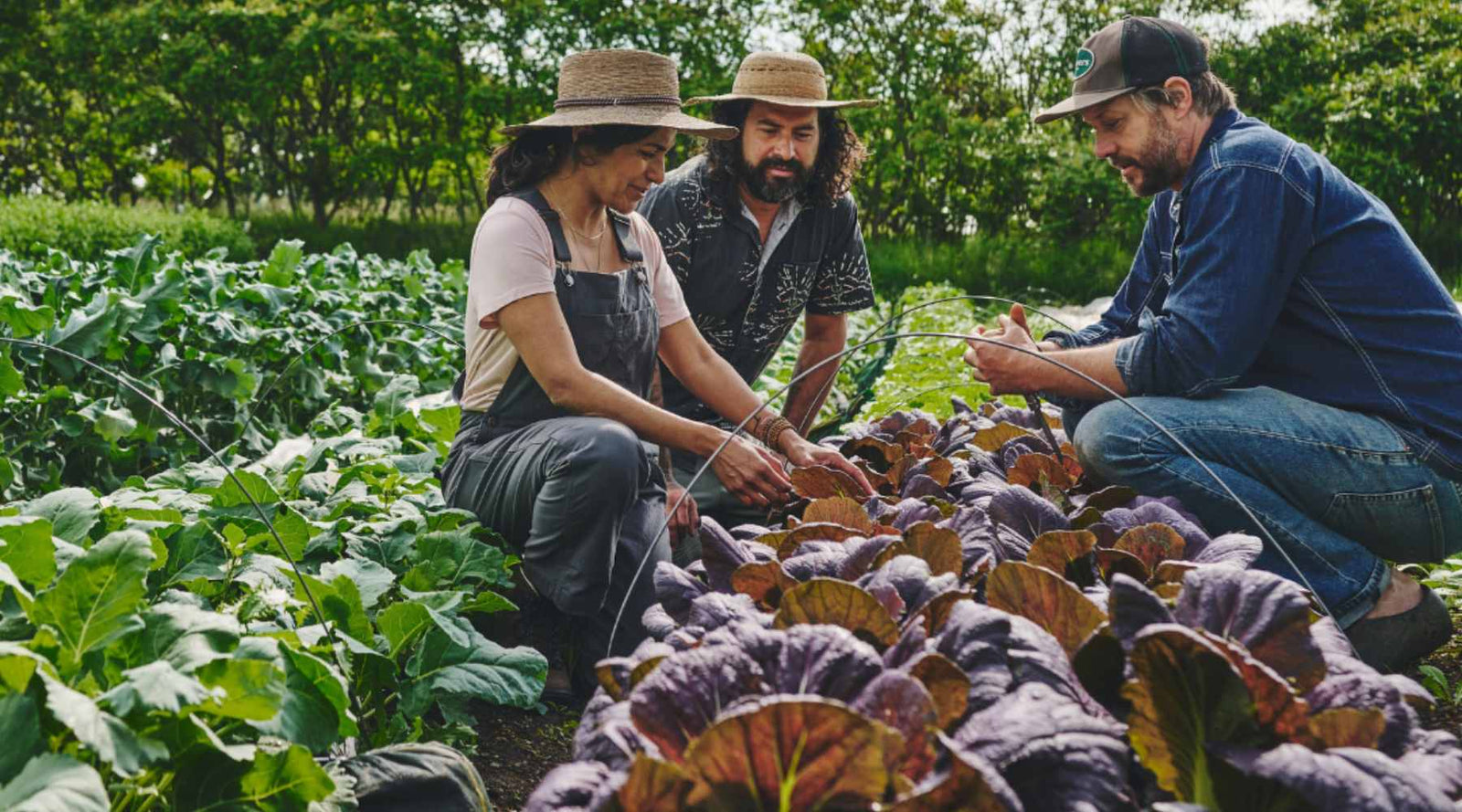

Starting a Market Garden | Market Gardening 101
Learn how to make money growing food and flowers with an acre or less! Discover the key steps to successfully starting a market garden, including going to farmers' markets, CSAs, building relationships in your local community, and more.
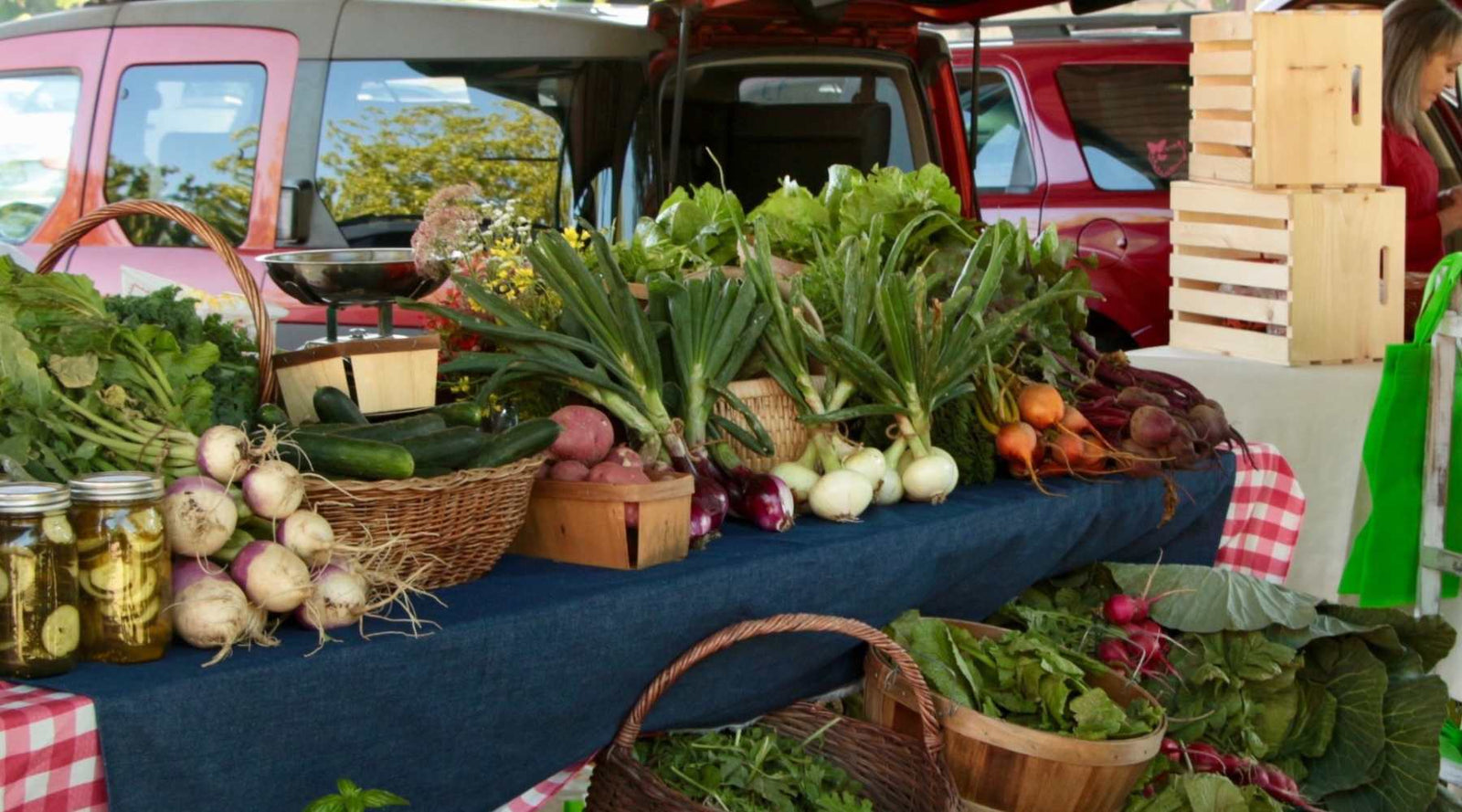

How to Start Selling Market Garden Produce
So you’ve gotten good at growing fruits and vegetables and want to be a part of your local food chain. Let’s discuss how you can make extra cash by selling your garden produce.
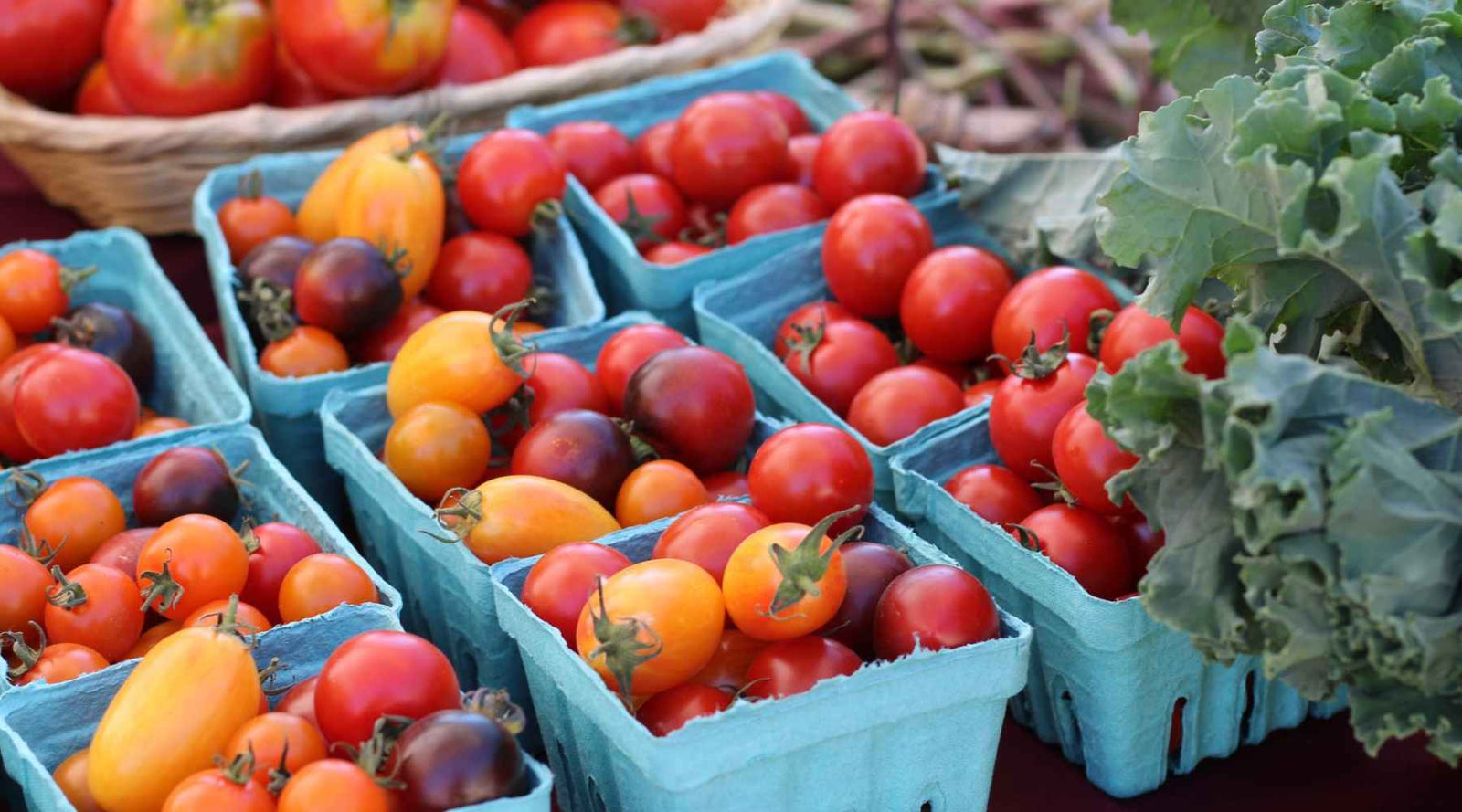

How Food Hubs Can Help Local Foods Get to Market
Looking for ways to help local foods get to market? Food hubs provide many benefits for growers, including increased access to markets, reduced costs of sales, and increased sustainability. They also improve community access to fresh local foods and increase food security.
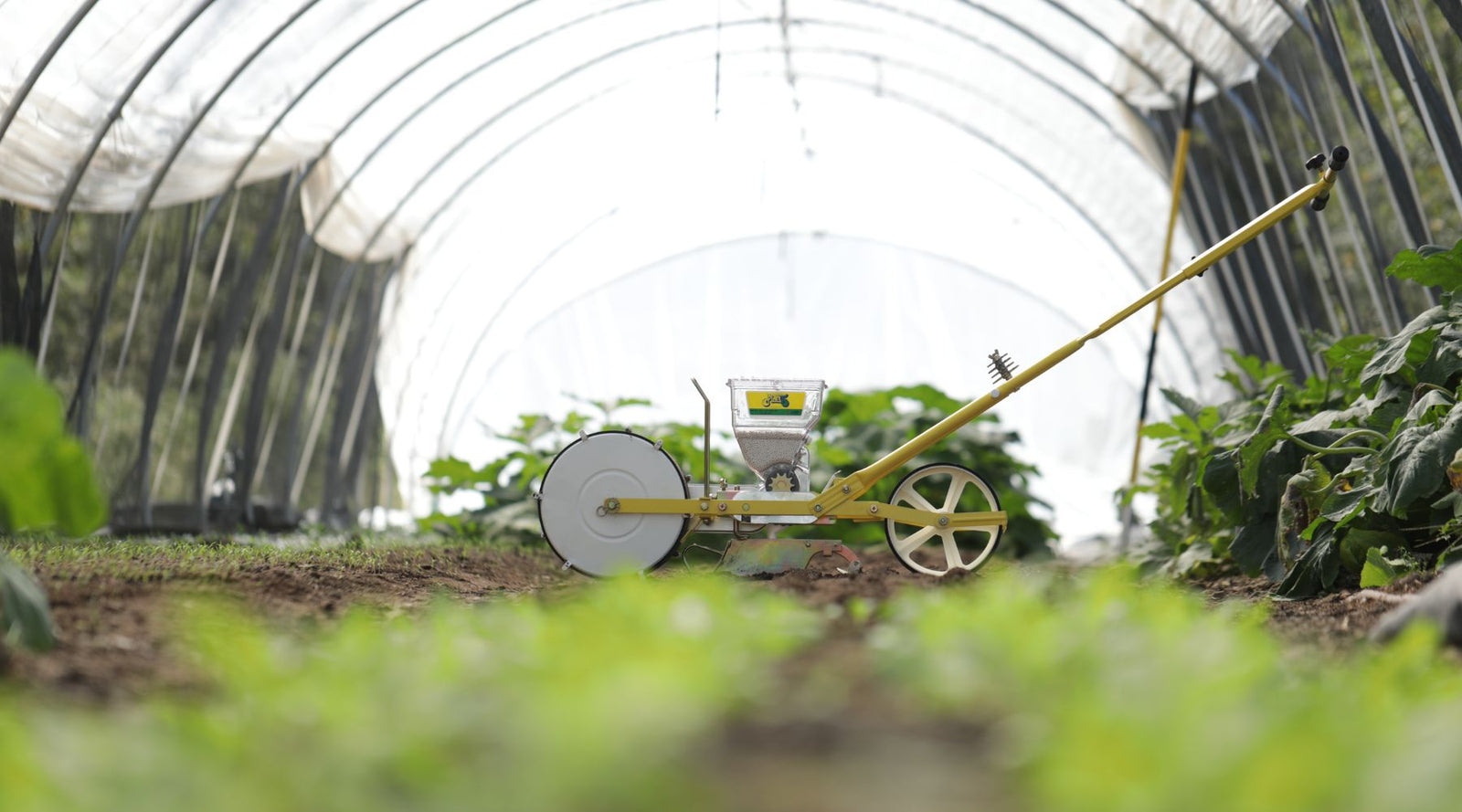

Jang Seeder 101
Learn how to get the most out of your new single-row hand-push JP1 Jang seeder with helpful tips from the experts at Bootstrap Farmer!
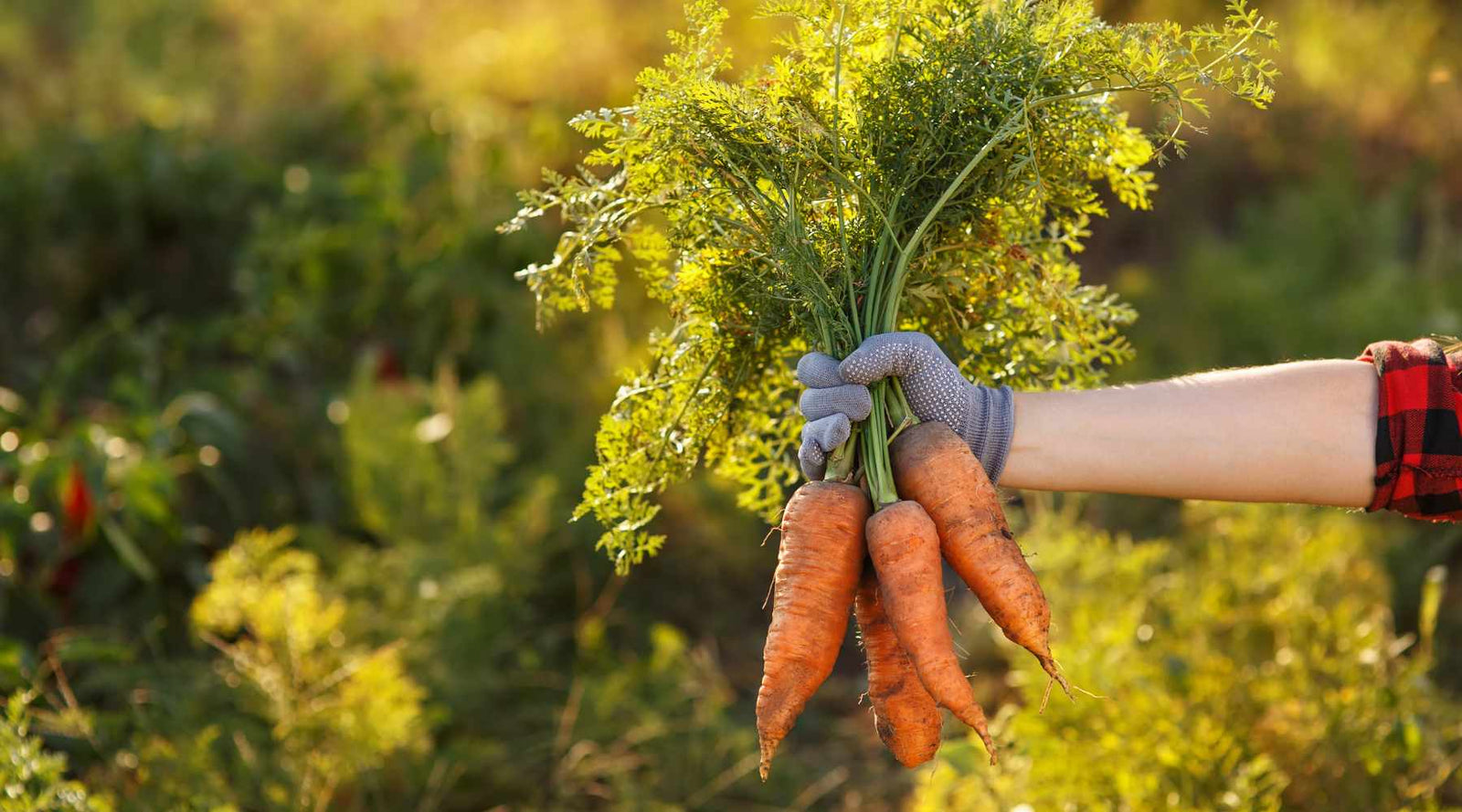

Growing Carrots in Successions for Farmers’ Markets
Locally grown, fresh carrots are delicious, nutritious, and brighten a market setup. When growing for a farmers’ market, properly planning successions is crucial to having continuous supply.
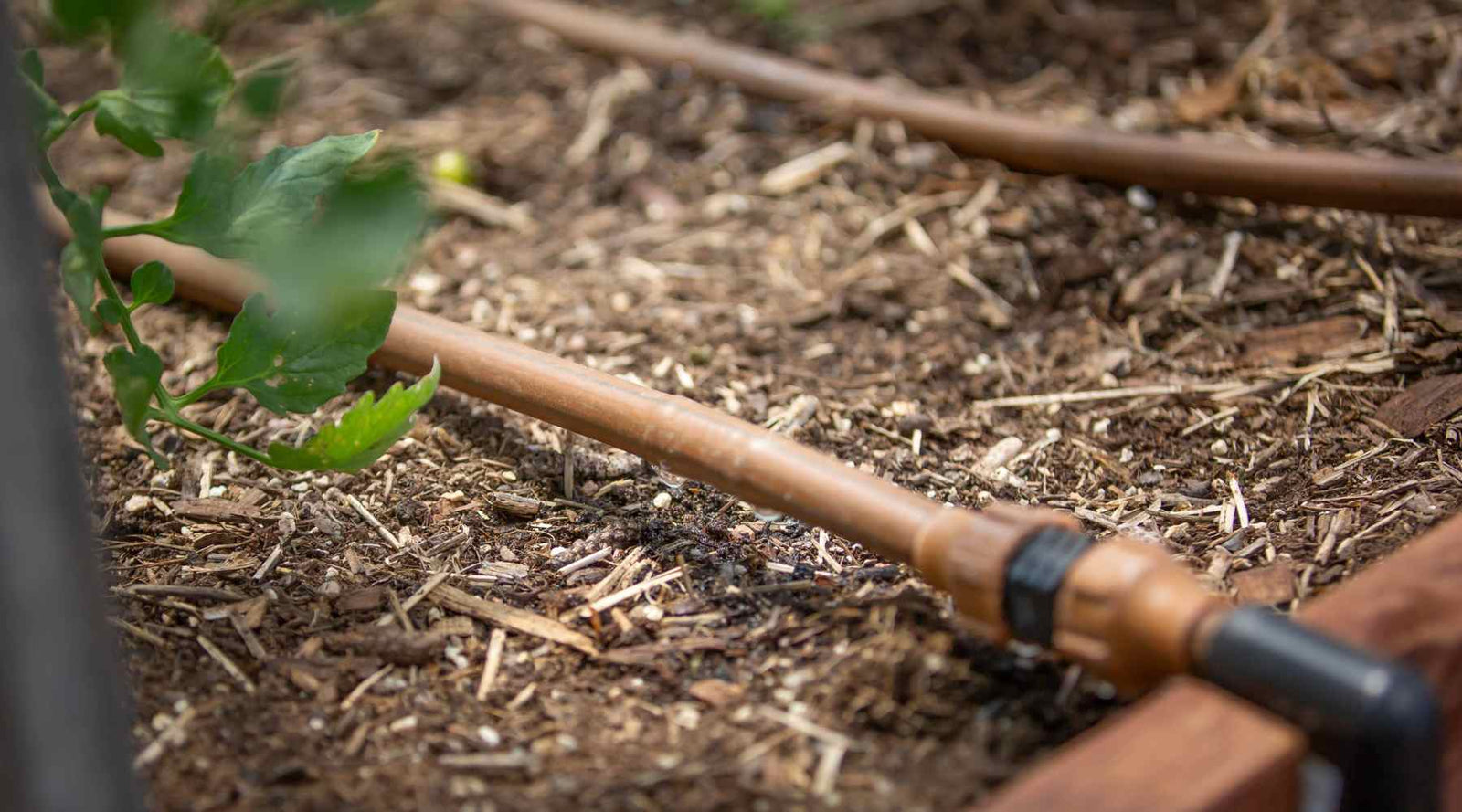


How Do Frost Blankets Help To Prevent Crop Loss?
Cold weather can be damaging to your crops. Learn what causes frost, ways it can damage plants, and how a frost blanket from Bootstrap Farmer could help protect your harvest from the cold temperatures.
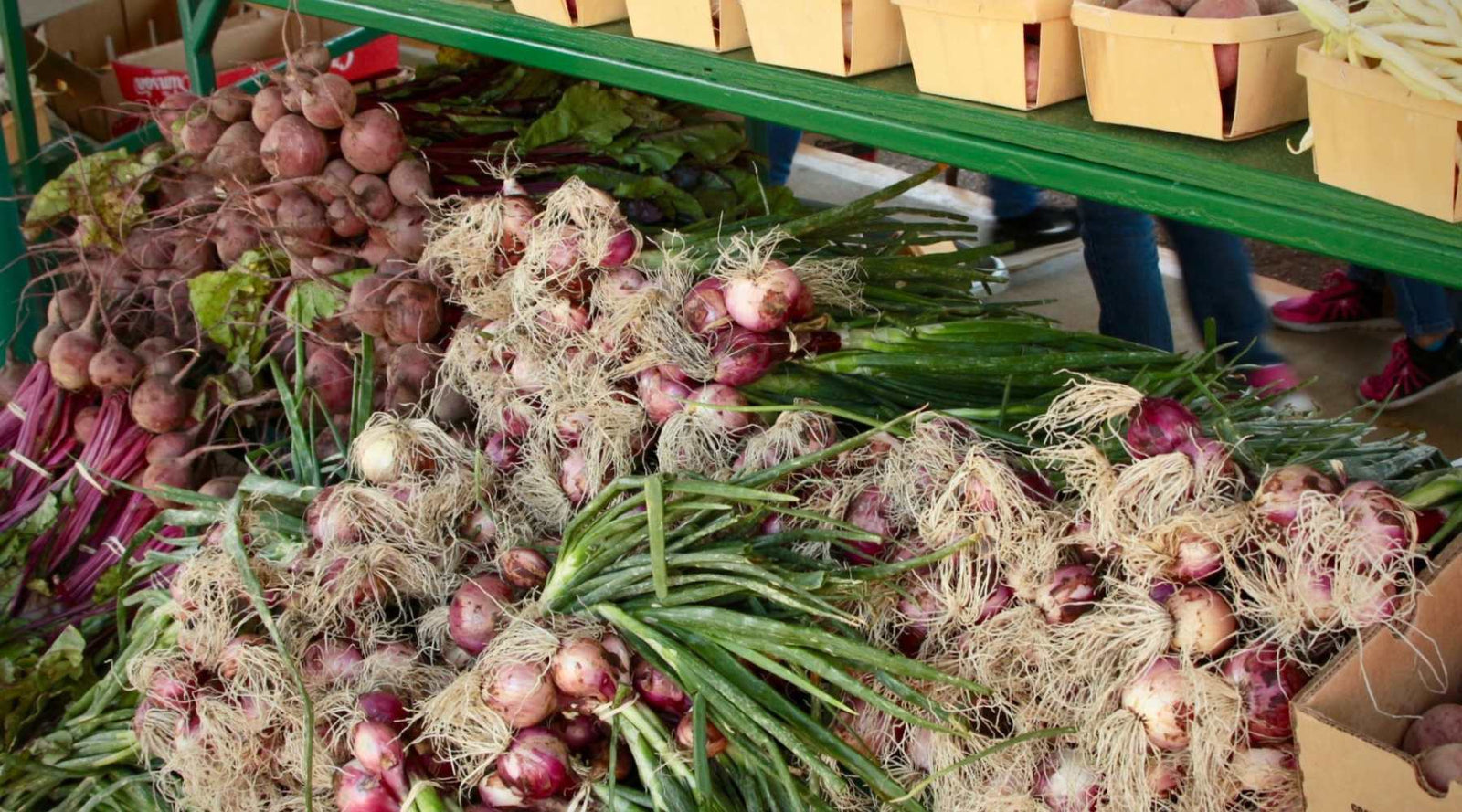

How to Start a CSA Business for Growers and Farmers
Community Supported Agriculture is a popular model that allows farmers to sell shares of their harvest in advance. We have gathered information from successful growers of various sizes to break down exactly how to start a CSA business and how to know if a CSA is right for your farm.


Cover Crops for Successful Land Management | Fall Cover Cropping
After harvesting your garden vegetables, adding a fall cover crop can build soil, protect from soil loss, and assist in weed and pest control for the next growing season. Learn when to plant and how to manage cover crops for the maximum benefit of your growing space.
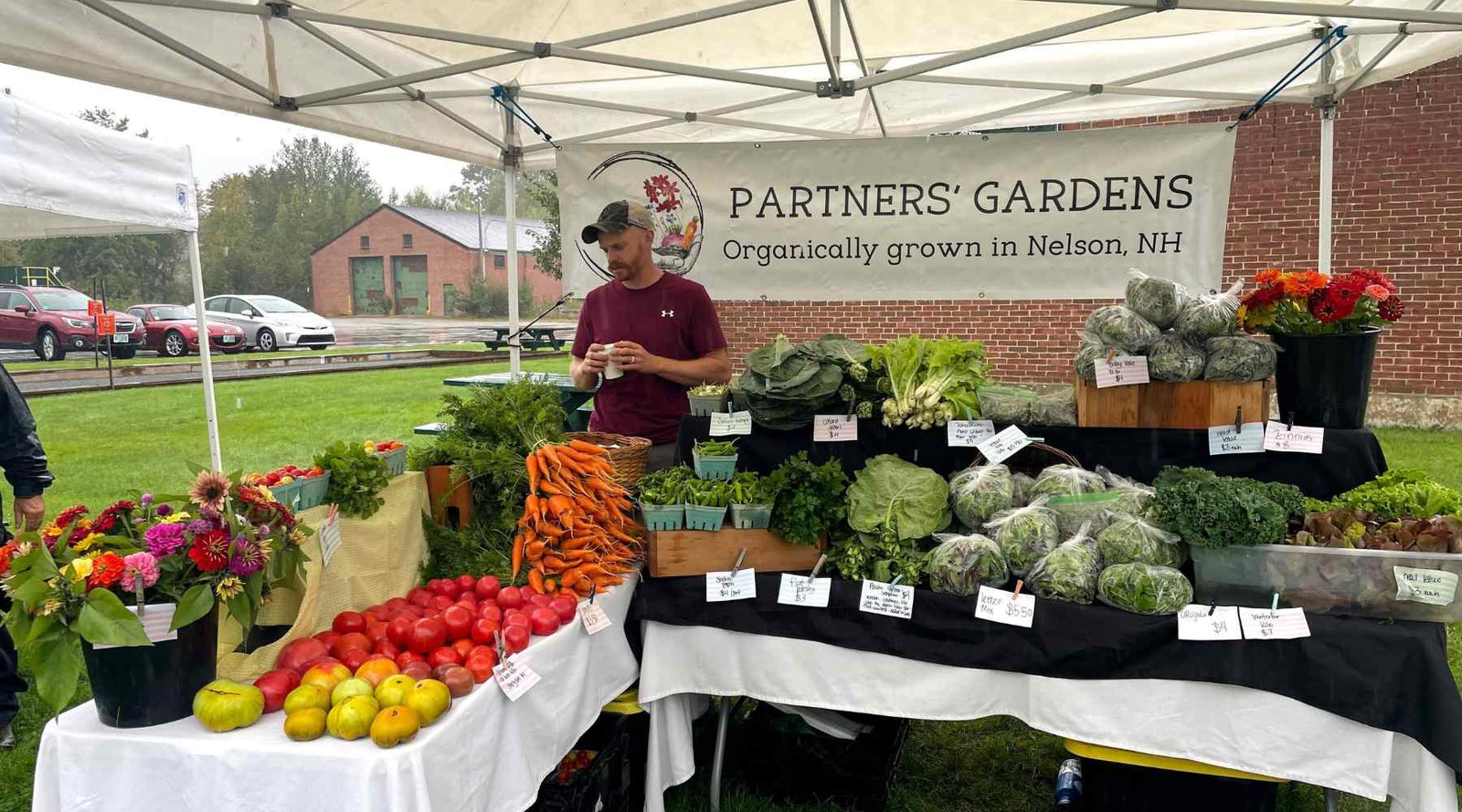

How to Sell at a Farmers' Market: Setting Up a Successful Booth
Want to have the best booth at the farmers' market this season? Read this article for tips for creating the best market booth setup. Learn how to attract customers and sell more produce.
Produce Farming FAQs
-
Market gardens, which typically occupy an area of less than one acre and up to a few acres, are known for their diversity in crop production. This contrasts with larger-scale farming operations, which often focus on monoculture - the cultivation of a single crop over a large area.
The emphasis in market gardening is on direct sales to consumers, which can include on-farm stands, farmers markets, and other direct-to-consumer channels. This not only allows the farmer to capture a greater share of the retail price but also enables them to build relationships with their customers.
-
Jean-Martin Fortier's method of permanent raised bed farming takes a unique approach that promotes both efficiency and sustainability. The permanent raised beds, typically 4-6 inches above the ground and 30 inches wide, are designed to optimize equipment usage and reduce soil compaction, making it an ideal setup for biointensive farming.
-
Market gardens are usually less than one acre, but they can be up to several acres. The goal is to maximize yield and diversity of crops throughout the year.
Market gardeners often grow a range of fruits, vegetables, herbs, and sometimes even flowers, all of which are typically sold directly to consumers through avenues like farmers' markets, community-supported agriculture (CSA) programs, or even directly from their farm.