
Raised Beds
Create the perfect garden with our raised beds. Choose between long-lasting, modular metal beds and flexible, portable fabric grow bags to fit your space and growing style.


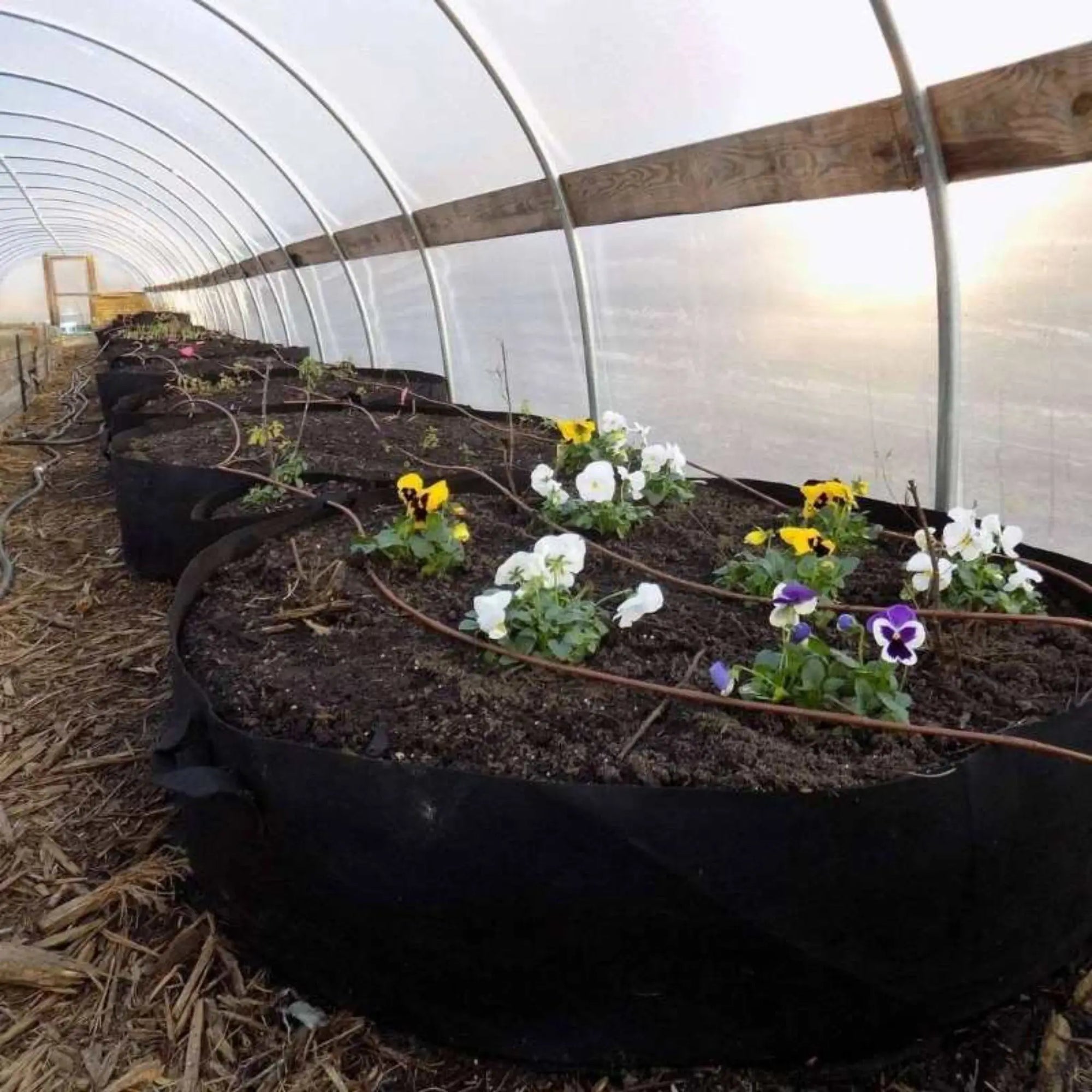


Raised bed gardening elevates your growing space, offering better drainage, soil control, and easier access. Whether you're creating a dedicated vegetable patch or adding planting space to a patio, choosing the right container is the first step. This guide will help you decide between the permanence of a metal bed and the flexibility of a fabric grow bag.
How to Choose the Right Raised Bed
Metal Raised Beds vs. Fabric Grow Bags
Your choice between metal and fabric depends on your goals for portability, longevity, and garden layout.
- Metal Raised Beds are a long-term solution for a permanent garden. Made from durable galvanized steel, they are stationary once filled and offer a clean, modern look. Their modular design allows you to create various shapes and sizes to perfectly fit your space.
- Fabric Grow Bags offer incredible flexibility. They are lightweight, portable when empty, and excellent for renters or gardeners who may want to reconfigure their space seasonally. The breathable fabric promotes healthier roots through air pruning, a process that prevents plants from becoming root-bound. You can learn more about the benefits of fabric containers in our guide.
Sizing Your Raised Bed
The ideal size for your raised bed depends on what you plan to grow. Large, deep-rooted plants like tomatoes and perennials will thrive in deeper containers, such as a 17-inch metal bed or a 200-gallon grow bag. Shallow-rooted crops like lettuce, spinach, and herbs do well in less depth, making an 11-inch metal bed or a 100-gallon grow bag a great fit.
What You Need to Get Started
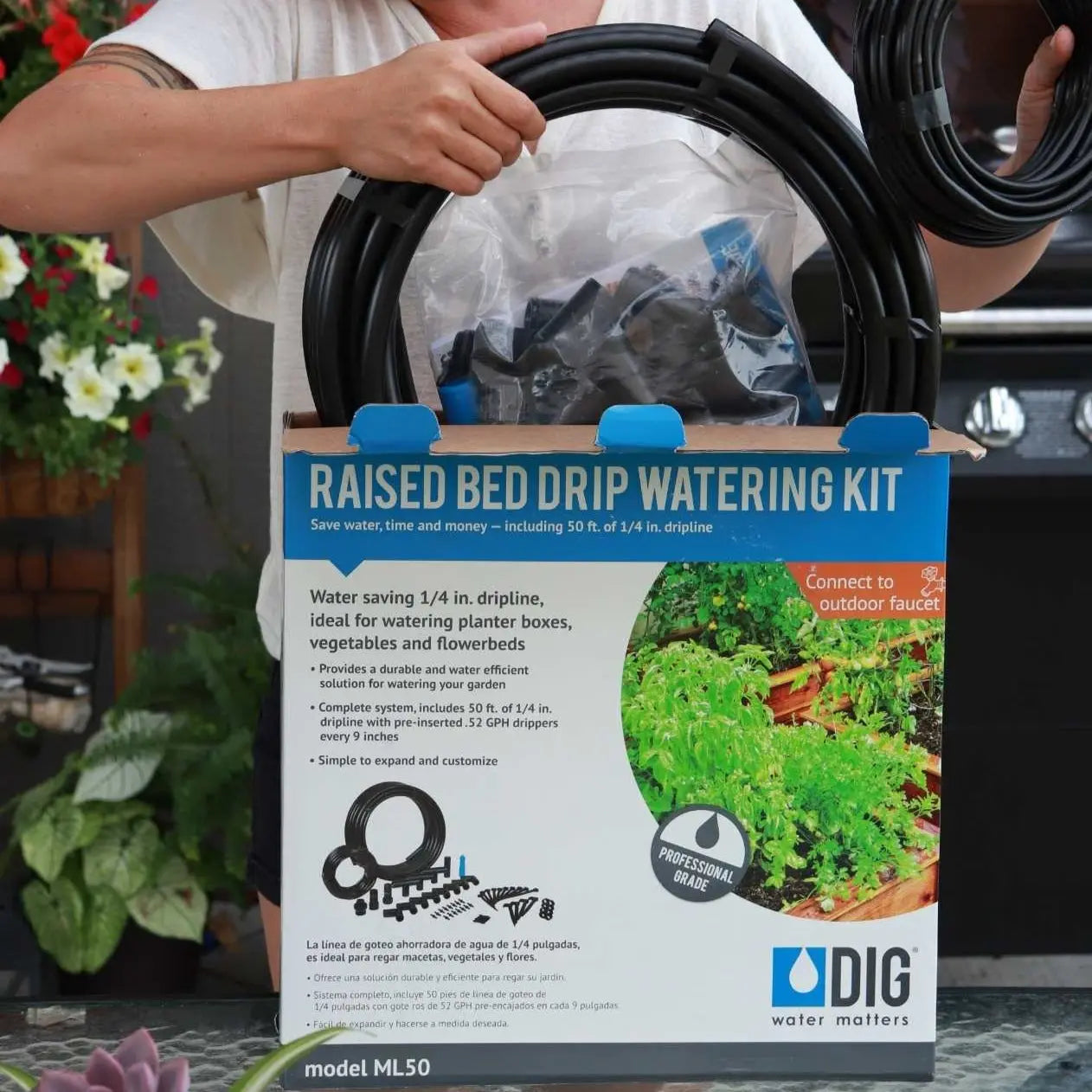
Starting your raised bed garden is straightforward. You'll need your chosen bed or bag, enough soil to fill it, your seeds or starts, and a reliable way to water. For larger beds, consistent watering can be a challenge. A drip irrigation kit automates the process, delivering water directly to the soil to improve efficiency and save time.
Which option is right for you?
Metal Bed (17" Deep)
- Best For
- Deep-rooted vegetables, permanent gardens
- Material
- Galvanized Aluzinc Steel
- Portability
- Low (Stationary)
- Assembly
- No tools needed
- Lifespan
- Long-term
Metal Bed (11" Deep)
- Best For
- Herbs, flowers, shallow-rooted crops
- Material
- Galvanized Aluzinc Steel
- Portability
- Low (Stationary)
- Assembly
- No tools needed
- Lifespan
- Long-term
100 Gallon Grow Bag
- Best For
- Flexible spaces, leafy greens
- Material
- Food-safe recycled plastic & felt
- Portability
- High (When empty)
- Assembly
- Unfold and fill
- Lifespan
- ~3 years
200 Gallon Grow Bag
- Best For
- Large vegetable plots, perennials
- Material
- Food-safe recycled plastic
- Portability
- High (When empty)
- Assembly
- Unfold and fill
- Lifespan
- ~3 years
Frequently Asked Questions
What is the difference between a metal raised bed and a fabric grow bag?
The main differences are material, permanence, and root health. Metal raised beds are a durable, long-term installation made of steel, creating a permanent garden structure. Fabric grow bags are lightweight, portable containers that promote air pruning for healthier roots but have a shorter lifespan of about 3 seasons.
How big of a raised bed do I need for vegetables?
It depends on the crop. For deep-rooted vegetables like tomatoes or potatoes, aim for a depth of at least 12-17 inches. For shallow-rooted plants like lettuce, herbs, and salad greens, a depth of 11-12 inches is sufficient. Consider the total volume as well; our large grow bags come in 100 and 200-gallon sizes for substantial planting areas.
Are raised beds hard to put together?
Assembly varies by type. Fabric grow bags require no assembly—simply unfold and fill with soil. The modular metal beds are designed for easy assembly without tools, using a system of interlocking panels and rods. While straightforward, setting up a larger configuration can take some time.
How do you water a large raised bed or grow bag?
Consistent watering is key for large containers. While hand-watering is an option, it can be time-consuming. A drip irrigation system is a highly efficient method that delivers water slowly and directly to the plant roots, minimizing evaporation. You can use a drip irrigation kit designed for raised beds to automate watering.