
Growing Dahlias From Seed: A Beginner's Guide
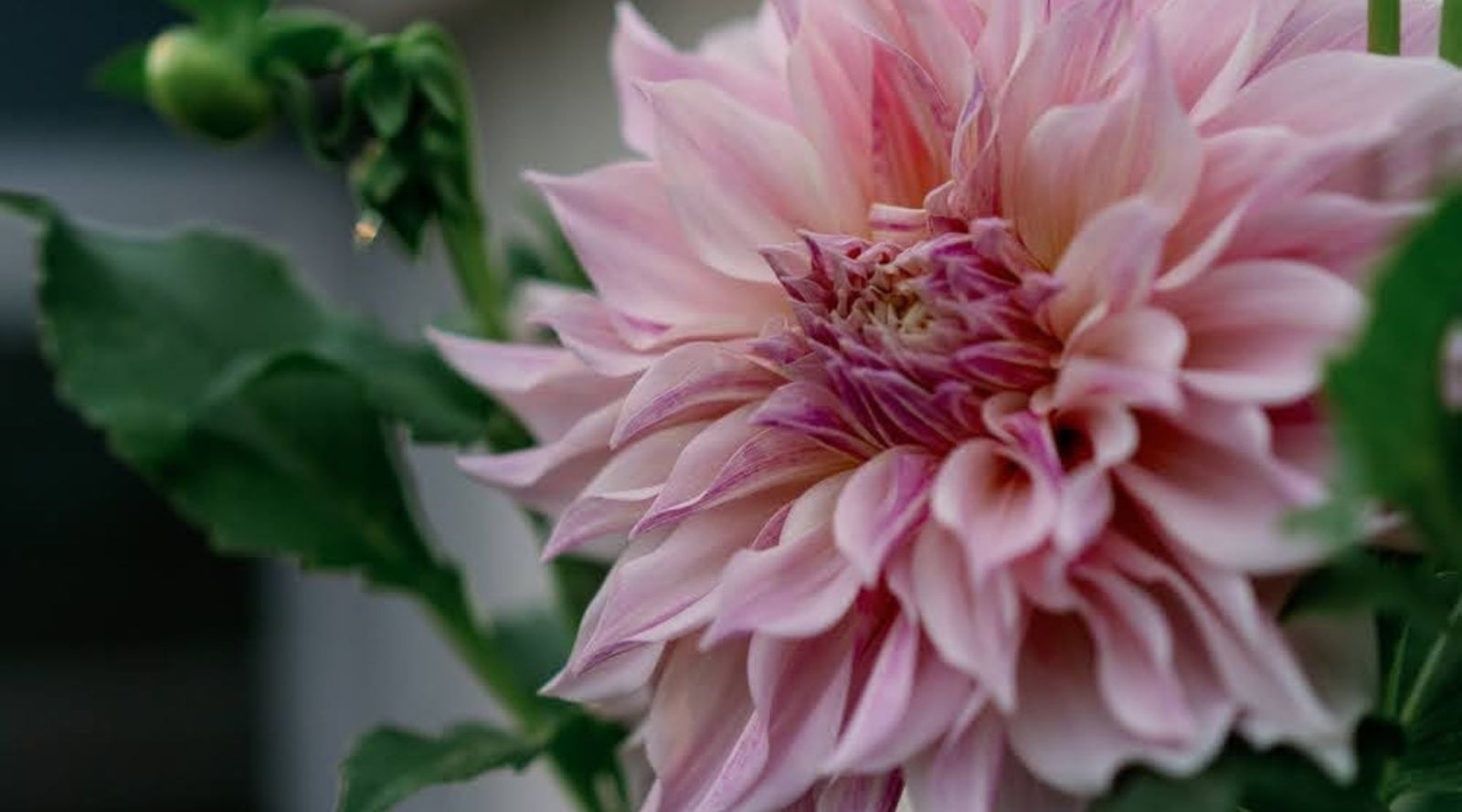

A Guide to How to Grow Beautiful Dahlias from Seed
One of the best things about starting your very own dahlias from seed is the sense of pride in your garden you will receive, knowing that one tiny seed produced all of that beauty! To start growing dahlias from seed, you will first need to know when your last expected frost date occurs in your area. Keep in mind this is an estimate and can change a week or two in either direction. You can find your estimated last frost date on the National Weather Service website.
Once you have your last frost date, count back 6-8 weeks. This will be the date that you will start your dahlia seeds indoors. I prefer to start them earlier versus later, so I have larger dahlia plants and earlier blooms. When doing this, I plan to pot up my dahlia seedlings and have the extra space allocated in my grow room or grow rack for larger potted plants. Also, keep in mind that dahlias from seeds take around 100-120 days to bloom.

How To Plant Dahlias From Seed Packets
Prepare your 2.5-inch seed-starting pots or seed trays by adding moist seed-starting mix. I plant my seeds in 2 ½ inch pots to avoid the need to up-pot. You can also start the flower seeds in plug trays to save space initially, but you will need to pot your dahlias up into a larger container at least once before transplanting them into the garden.
Dahlia flower seeds are housed in a seed pod, are brown to black in color, and are generally around 1/2-inch long. These slender seed pods split easily and can be collected after the dahlia flowers dry out. Sow your seeds seeds an ⅛ inch deep. Tap the soil with your finger to ensure soil contact around the flower seed. The ideal temperature for germination is 70°F-75⁰F (21°C-24°C), and you should see your seedlings emerge 7-14 days.
Proper Lighting for Dahlia Seedlings
Like all seedlings, light is vital for photosynthesis. Put your seedling tray close to your light source if you are growing indoors. As soon as seedlings emerge, you don't want them spending extra energy reaching for the light, which could cause weakness. Keeping your tray of dahlia seedlings just a couple of inches away from the light source will produce healthy plants. As the dahlia plants grow larger, you can gradually move them farther from the light source.

Best way to water DAHLIA SEEDLINGS
Bottom-watering is my preferred method. It allows the soil to act as a wick, taking up the water needed without displacing the newly sown seed. This method saves time and prevents damping off.
My watering method in 3 simple steps:
- Fill 1020 trays with 1 inch or 1 ½ inches of water. My seedlings sit inside 1020 trays.
- Let the soil soak up the water
- Drain out any excess water after about an hour. You do not want your soil to be too soggy, so it is important to drain the excess.
When seeds are first germinating, make sure the soil is moist. Dry soil will prevent seed germination and stunt or kill off a tiny seedling. If the top layer of your soil stays dry, you can use a fine-mist spray bottle to dampen the very top layer during germination.

WHEN TO POT UP DAHLIAS
Dahlia seedlings will need to be potted up if they can't be planted out into the garden yet. They are not cold-hardy, so you will need to wait to plant them until all danger of frost is gone. I like to pot up my dahlias when they have filled out the pots nicely and have developed roots.
It's important to keep them growing. If the seedlings sit in the pots or trays long enough to become root-bound, this may stunt their growth, which ultimately means later flowers. Potting them up will continue the growing cycle. Check your roots once a week to know when they need to be up-potted into a larger container.
Potting up dahlias into larger containers like these 6x6x8 pots will give your dahlias plenty of growing room to stay in the growth stage without risking them stunting. They are very heavy-duty and will last for many years.
HOW TO HARDEN OFF DAHLIA SEEDLINGS
If you have grown your seedlings indoors or in a greenhouse, you will need to acclimate these tender dahlia plants to the outside world slowly. This process is called hardening off. It takes about a week to do this properly. Do not skip this step. Do this once your temperatures have warmed up and you are no longer at freezing temperatures during the day or night.
Remember, your dahlia seedlings have been growing in a controlled environment. The temperature has been roughly the same day and night. They have not been exposed to the sunlight, which is much stronger than grow lights. Tender seedlings are susceptible to sunburn, wind, rain, and temperature fluctuations.
Slowly bring your growing dahlias outside to acclimate them to the growing conditions. Increase the time each day until your seedlings have been outside day and night for a few nights, covering them with frost blankets when needed. Choose calm, cloudy days to start this process. Too much wind or rain will damage your tender plants. Learn how to use a low tunnel to harden off plants successfully in this article.
Here is an example of what this process can look like:
Dahlia Hardening Off Schedule
- Days 1-2: Bring your trays of dahlia seedlings outside for 1-2 hours and place them out of direct sunlight in a protected area from wind and rain
- Day 3: Increase the time outside by another hour, and place them in an area with dappled sunlight.
- Day 4: Add another hour to the time the seedlings are outside (they should be outside now, about 4 hours)
- Day 5-7: Plants can now tolerate more prolonged periods outdoors and more direct sunlight.
In around 7 days, your plants should be prepared and hardened off. You will notice they are a bit tougher and may have become deeper green. As long as your forecast looks good and your temperatures are staying well above freezing, you can now leave your baby plants out overnight. I personally like to hold off on planting them in the ground until they've spent a few full-around-the-clock days outside. This also allows me to look at our extended forecast and ensure we won't have any low nighttime temperatures.

HOW TO PLANT DAHLIAS
- Dahlias need full sun. Choose a location with well-draining soil that receives six or more hours of sun daily. Morning sun with late afternoon shade is best.
- Before planting, enrich the soil with compost or well-rotted manure.
- For heavy soil or clay, mix in sand, peat moss, or organic compost to loosen the soil and improve drainage.
Space dahlia seedlings 12-18 inches apart for the shorter varieties. Taller varieties will need 18-36 inch spacing. Gently tamp down the native soil around each one once you place them in the soil. Lightly water them in. Stake tall varieties as they grow when needed.

FAQ for Growing Dahlias from Seed
DO DAHLIAS GROWN FROM SEED PRODUCE TUBERS?
Yes! Dahlias grown from seed will produce tubers by the end of the summer. If you live in a climate where you can overwinter them in the ground, it's as simple as cutting the stocks down to the soil level. Mulching them will give them added protection through the winter.
If you live in a colder climate, you can lift and store them through the fall and winter to plant out again next spring, when temperatures are once again warmer.
WHAT IS THE DIFFERENCE BETWEEN GROWING DAHLIAS FROM SEEDS VERSUS TUBERS?
Dahlias grown from seed can be a very exciting garden adventure. When you buy a packet of seeds, you're buying a mix, so you won't know what color you'll get, and sometimes you won't know the shape or texture. Buying seed packets can be fun if you are like me and don't mind the surprise! You can get some gorgeous blooms that nobody else has. No two plants grown from seed will be the same.
Growing dahlias from tubers will produce plants identical to the mother tuber. This method of starting dahlias is a reliable way to ensure you get the specific color or texture you are aiming for.
Can I save dahlia seeds?
Yes, these slender seed pods split easily and can be collected once the dahlia flowers have dried. Check out Seed Saving 101- Saving Seed for Next Year's Garden for more information on collecting your own seeds.
WHAT VARIETIES OF DAHLIAS CAN BE GROWN FROM SEED?
Several beautiful dahlia varieties can be grown from seed. When growing dahlias from seed, you will be getting a mix of colors. Here are some examples of varieties that you can grow from seed.
- Red Skin Dahlia: dark bronze-green foliage, producing 3-inch flowers on short, easily managed 20-inch tall plants.
- Unwins Dahlia Mix: easy to grow, colorful mix of flowers ranging from brick red, purple, yellow, and orange.
- Mignon Single Mix: rounded, compact plants reaching only 20 inches, with beautiful, bright 3-4 inch blooms of white, pinks, soft yellows, and reds.
- Cactus Flowering Dahlia Mix: fully double and semi-double blooms, curled and twisted petals of gorgeous, colored blooms. Plants can become 4-5 ft. tall with long stems perfect for bouquets.
- Dwarf Cactus Flowering: gorgeous, twisted petals with bright colors on easy-to-manage 2-foot-tall plants.
What are the BENEFITS OF GROWING DAHLIAS FROM SEED?
Growing dahlias from seed is a very rewarding experience. It is an economical way of filling your flower garden with lots of beauty. It is so fun to grow them and wait in anticipation of that first bloom, wondering what color and texture your flowers will have. Knowing that you are growing a unique flower that only you have is part of that excitement!
One of the things that I appreciate about growing my dahlias from seed is that I can control how mature I want my plants to be before planting them into the garden. Starting them earlier and growing them in larger containers allows me to transplant more mature plants in the spring. If you've never grown dahlias from seed, I strongly encourage you to do so this season!
Want to learn more about seed starting? Check out our Seed Starting Blogs.
Written by Robin Lapping @robinsroots