
Fall Growing Essentials
Extend your growing season with our fall growing supplies. Find heavy-duty trays, 6 mil plastic, and hoop benders to protect crops from the first frost.















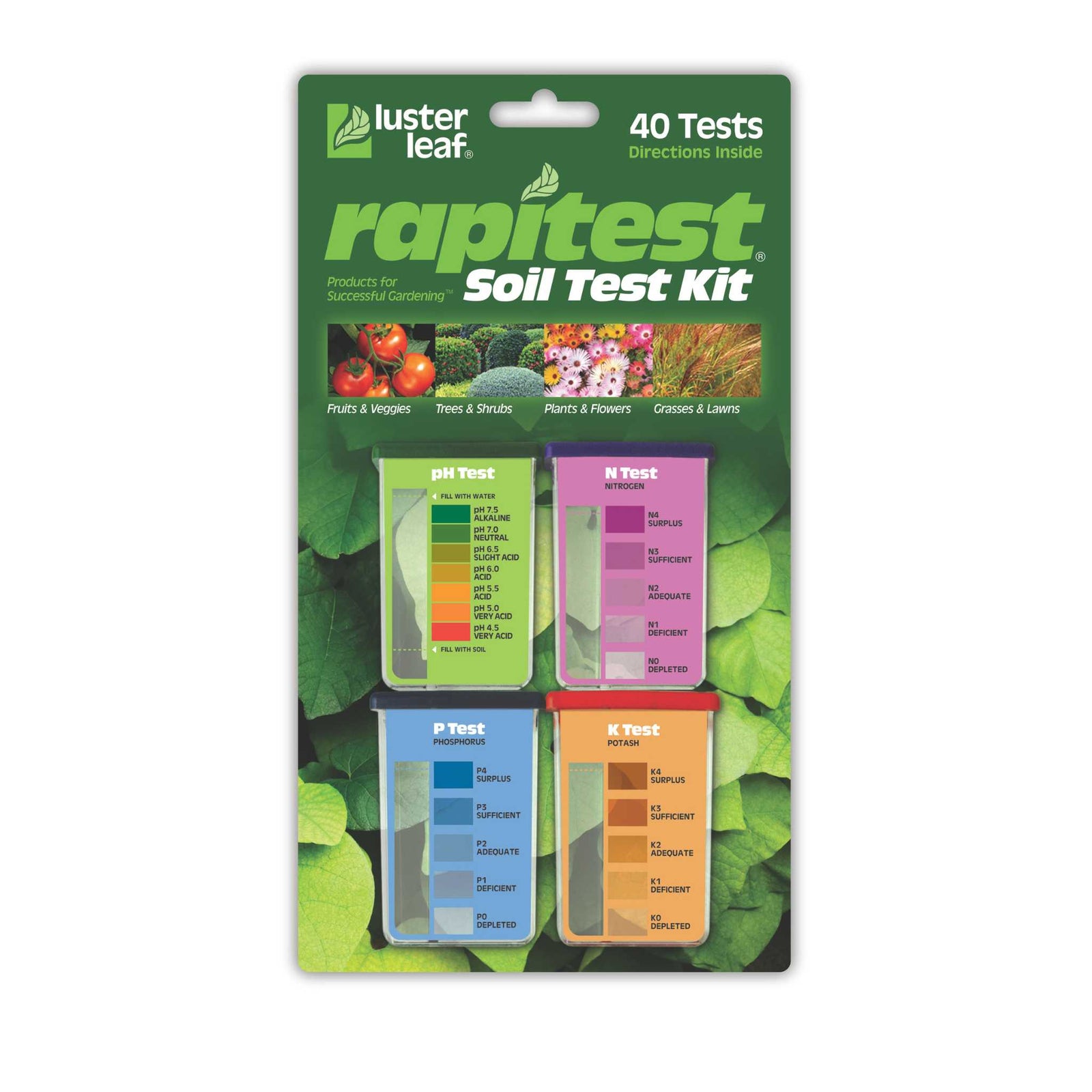

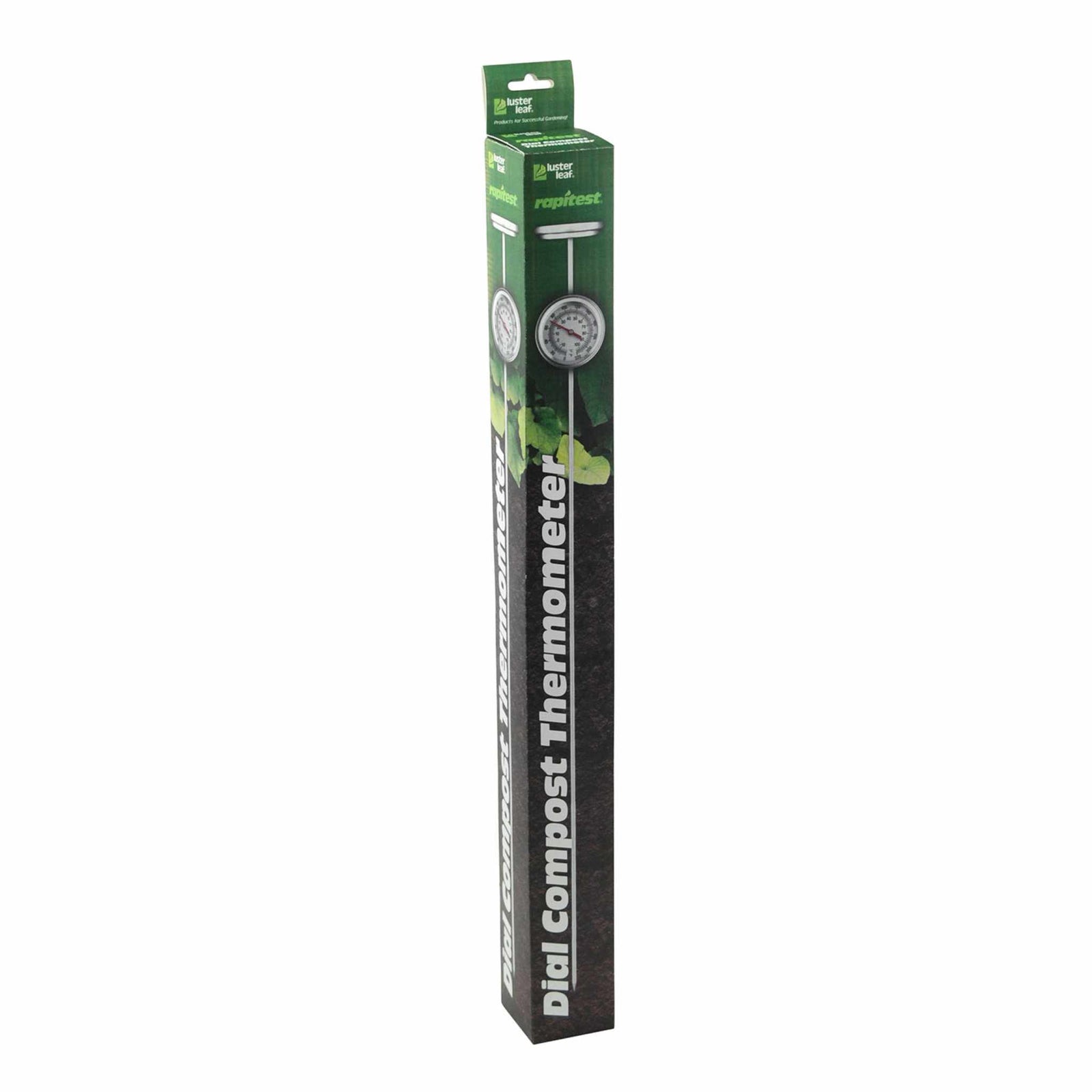



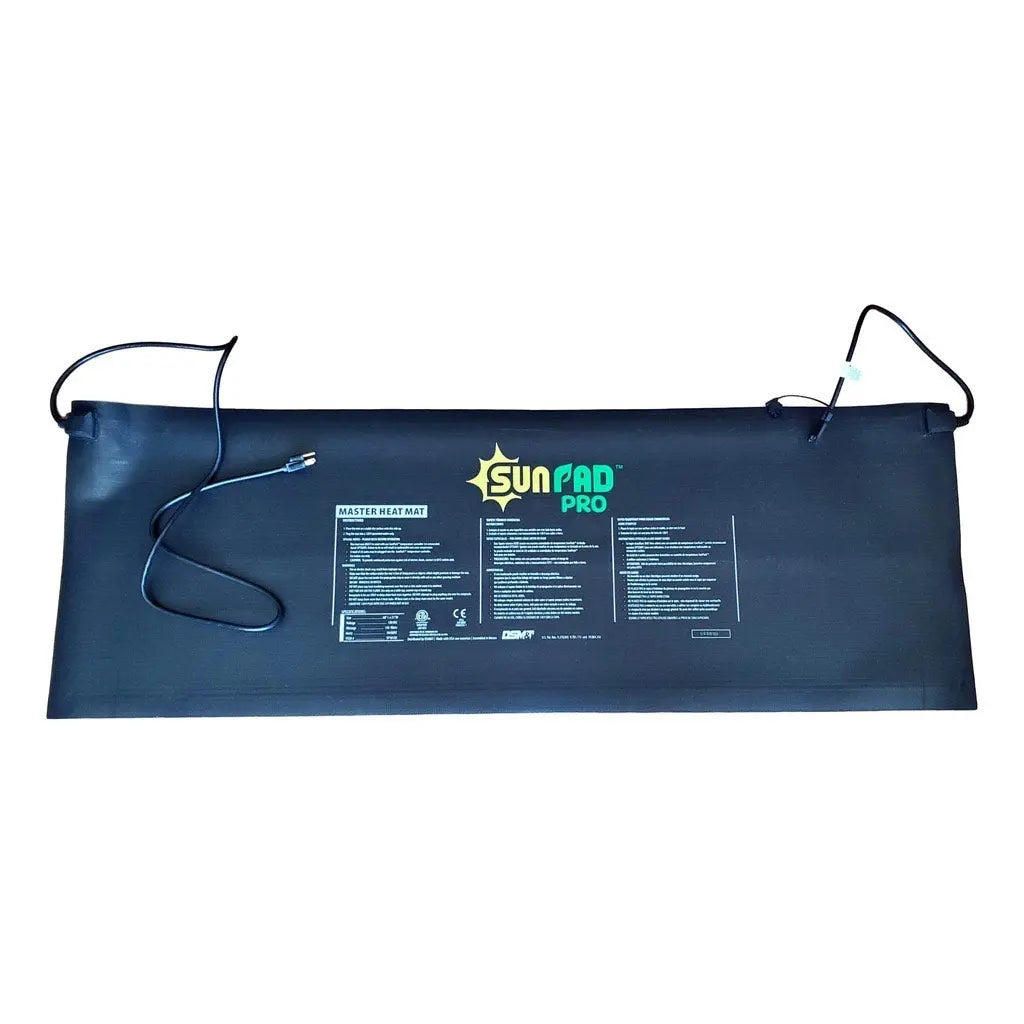


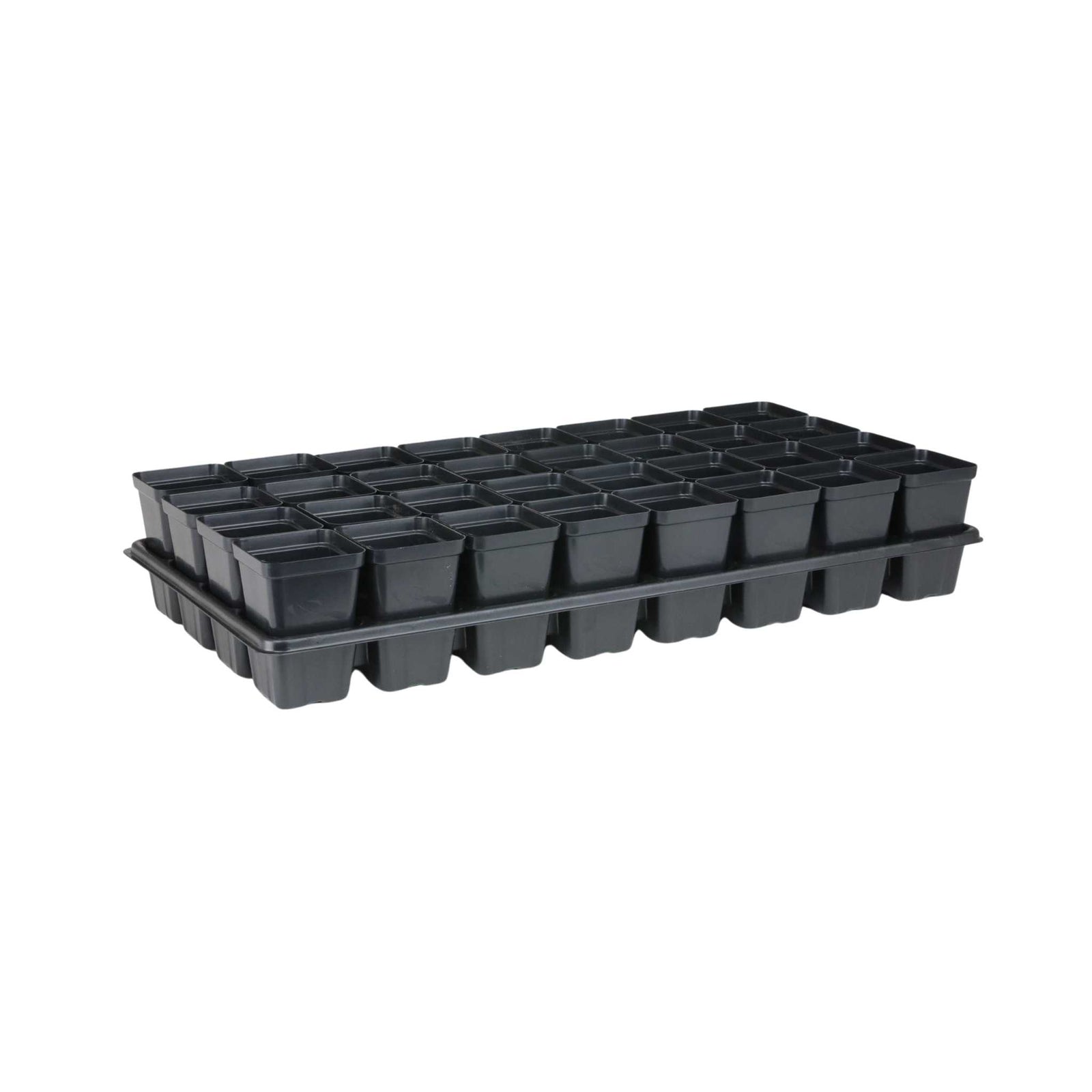
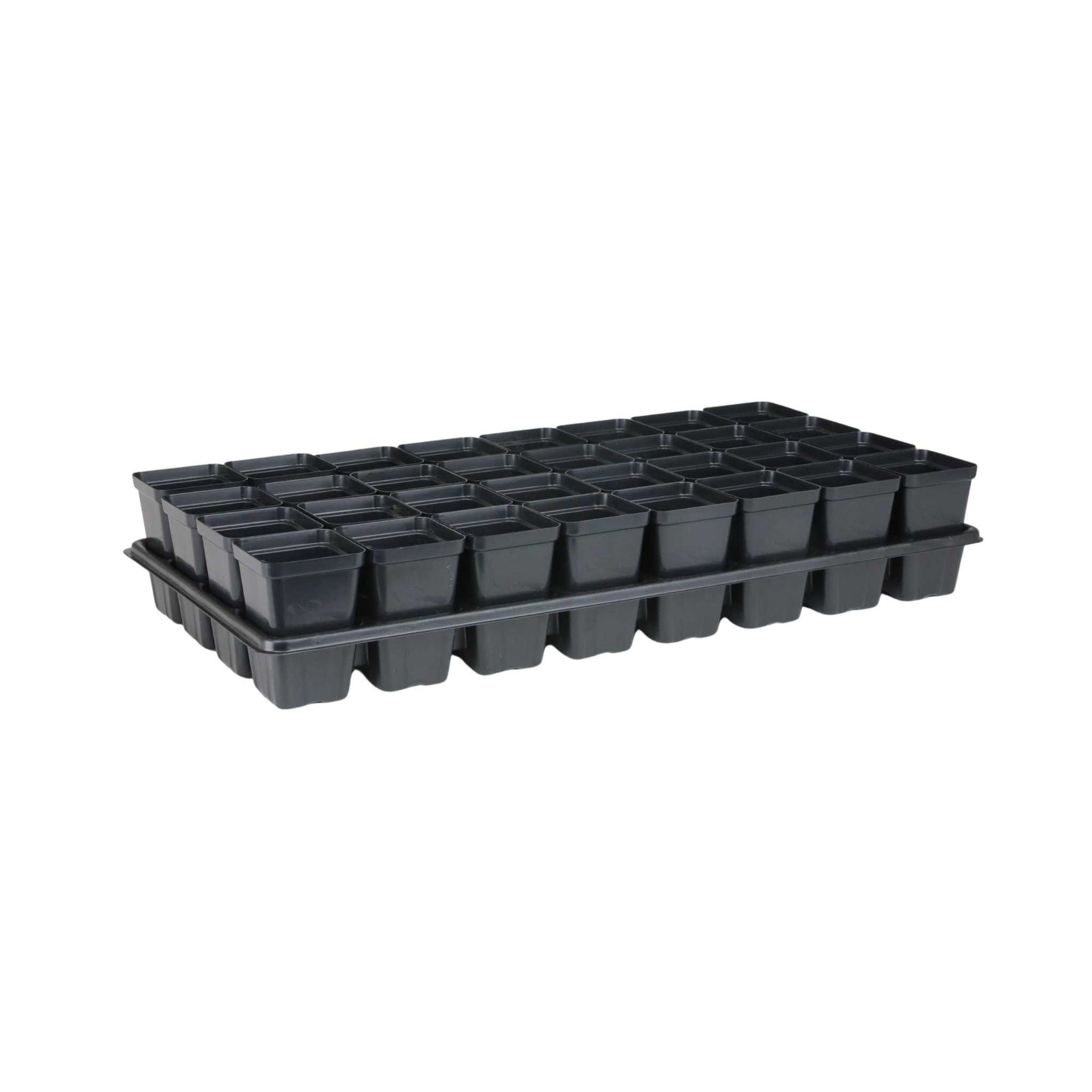
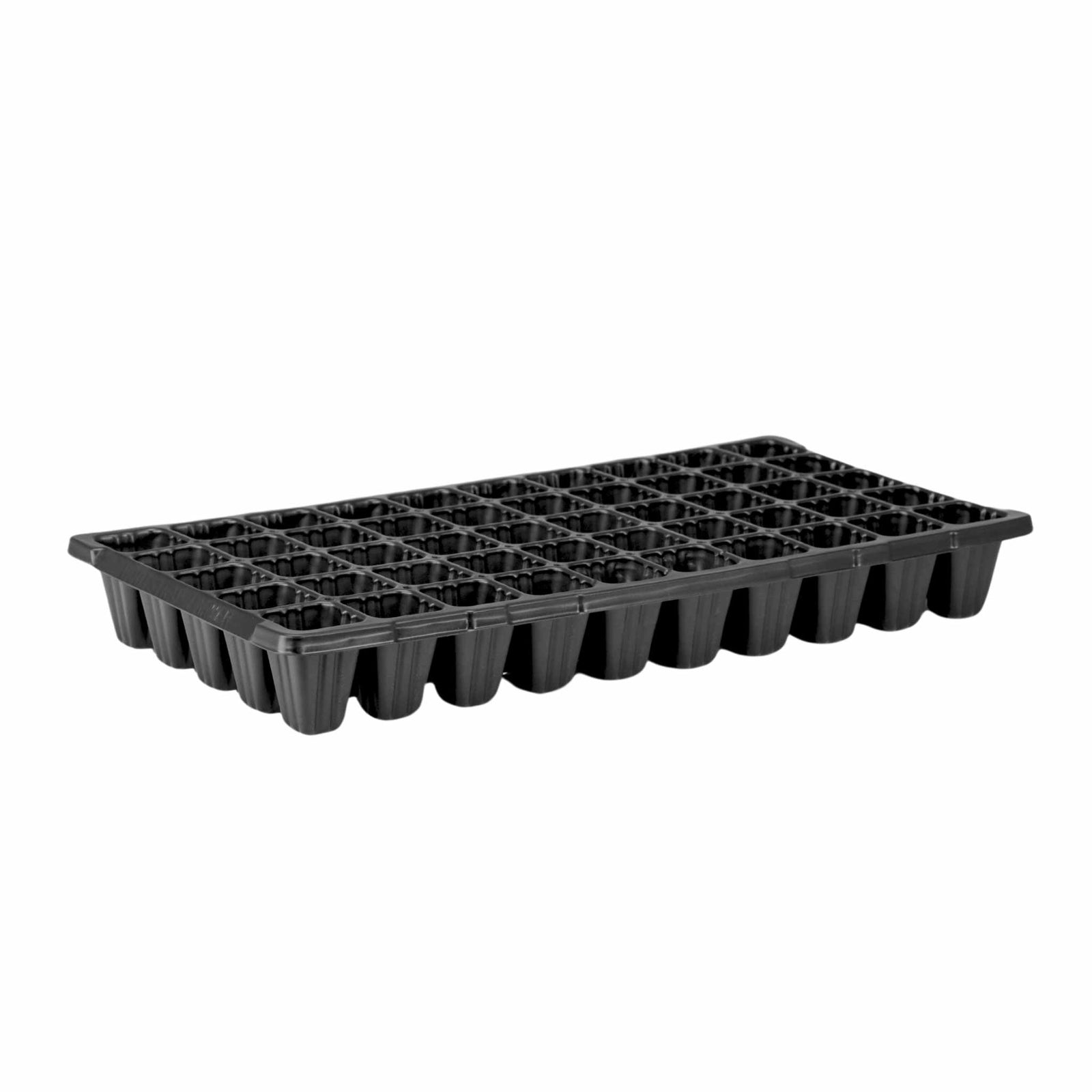








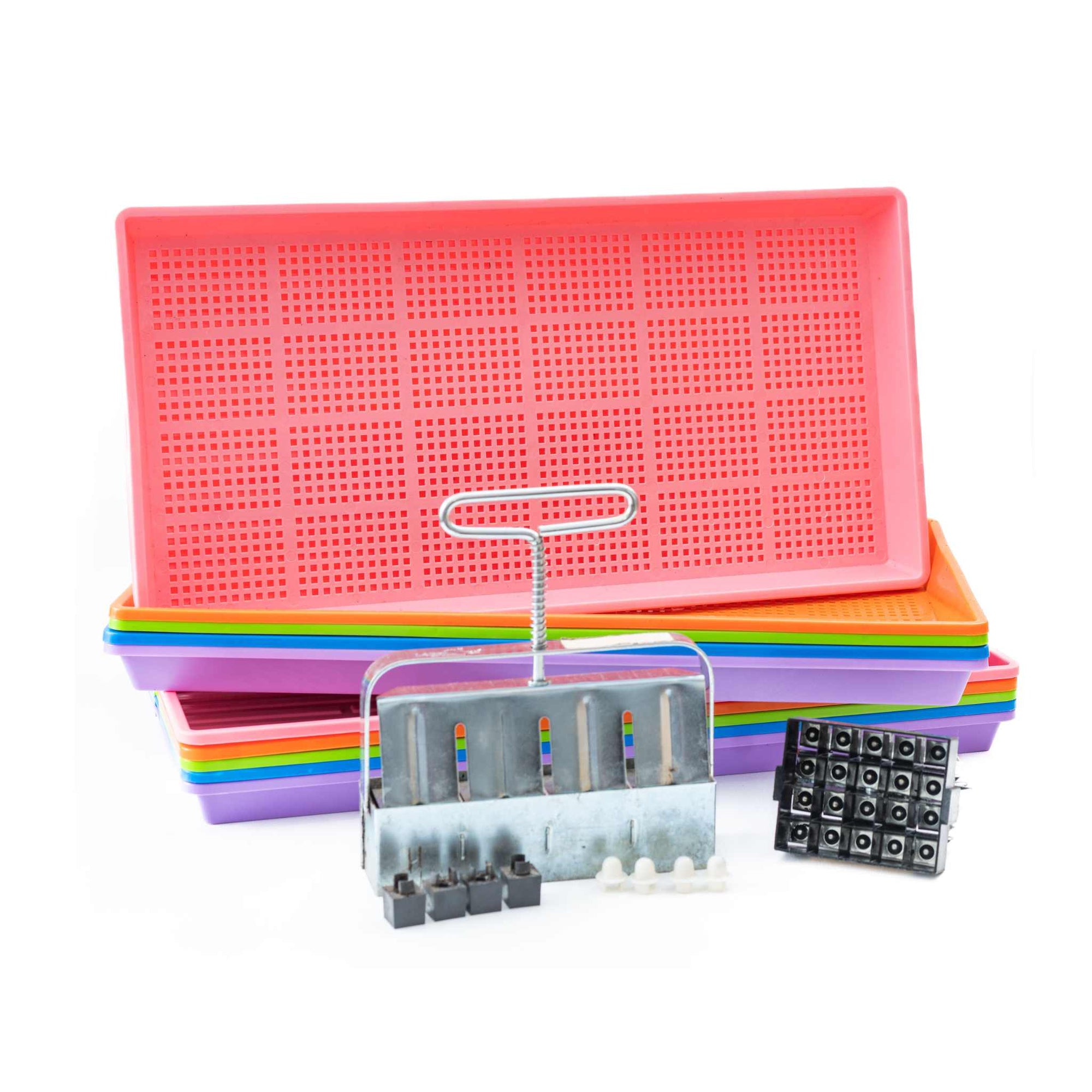
Transitioning your growing space for autumn requires the right growing supplies. Whether you are sowing late-season crops or building a DIY tunnel, having reliable gear helps you extend the season and manage fluctuating temperatures.
How to Choose Fall Growing Supplies
Seed Starting & Propagation
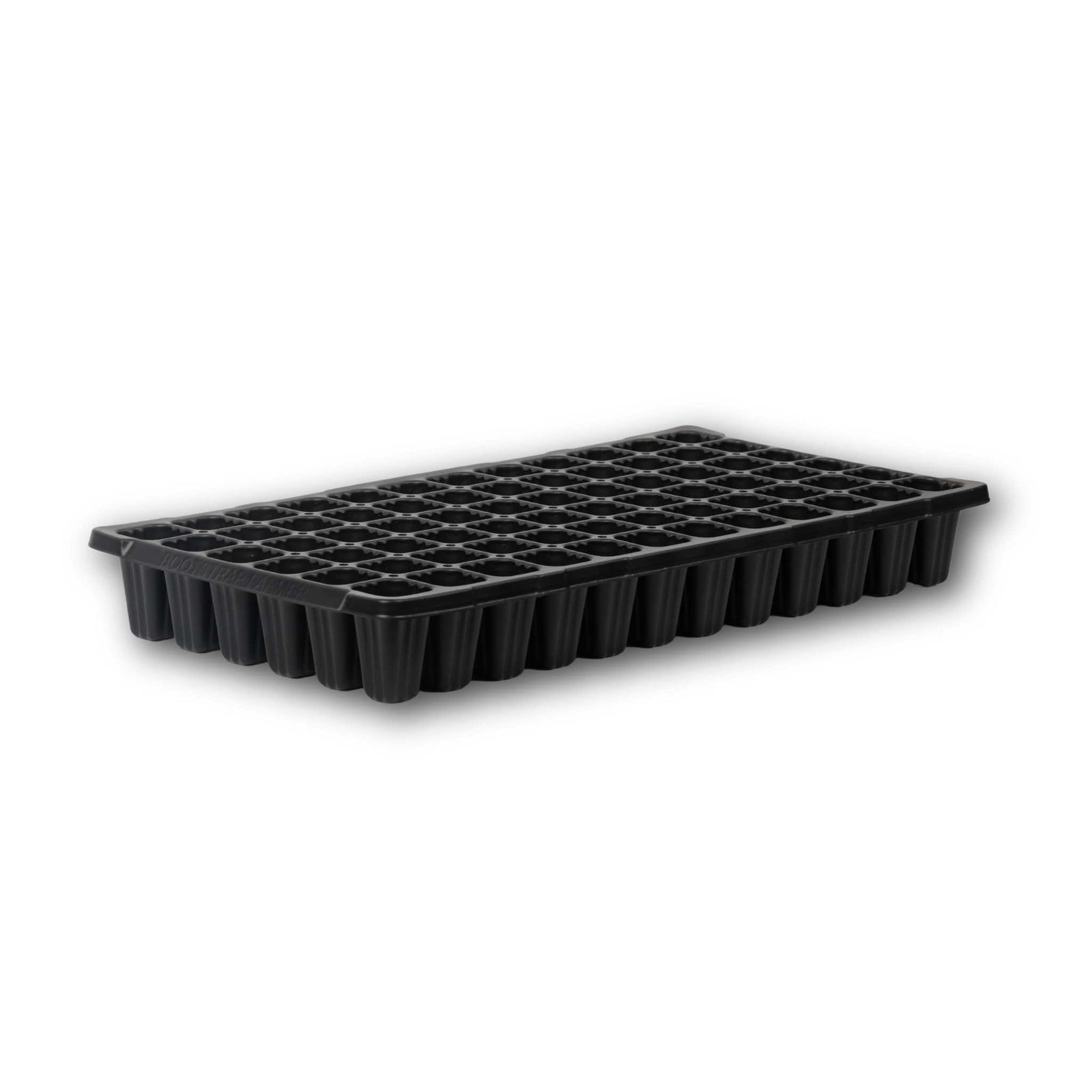
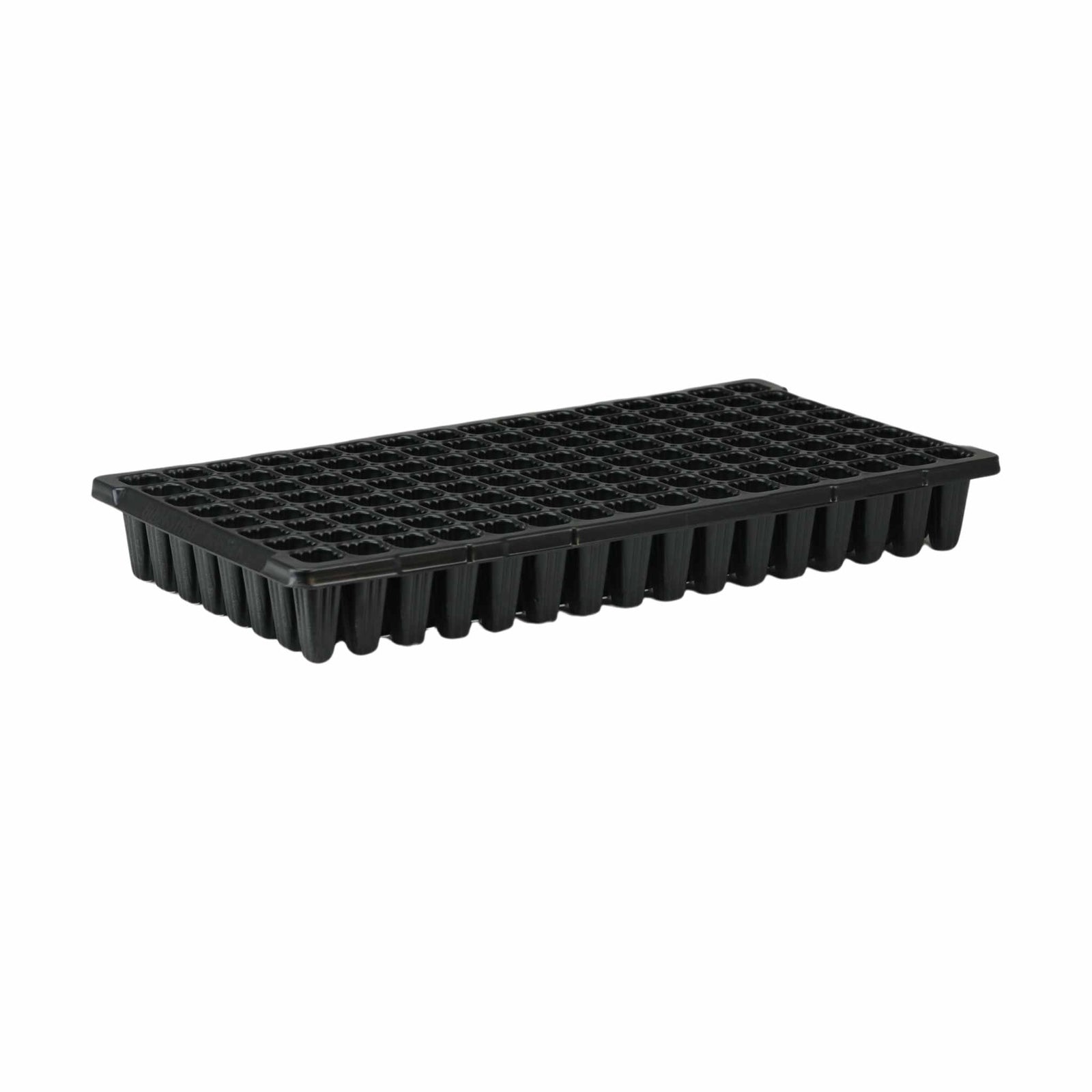
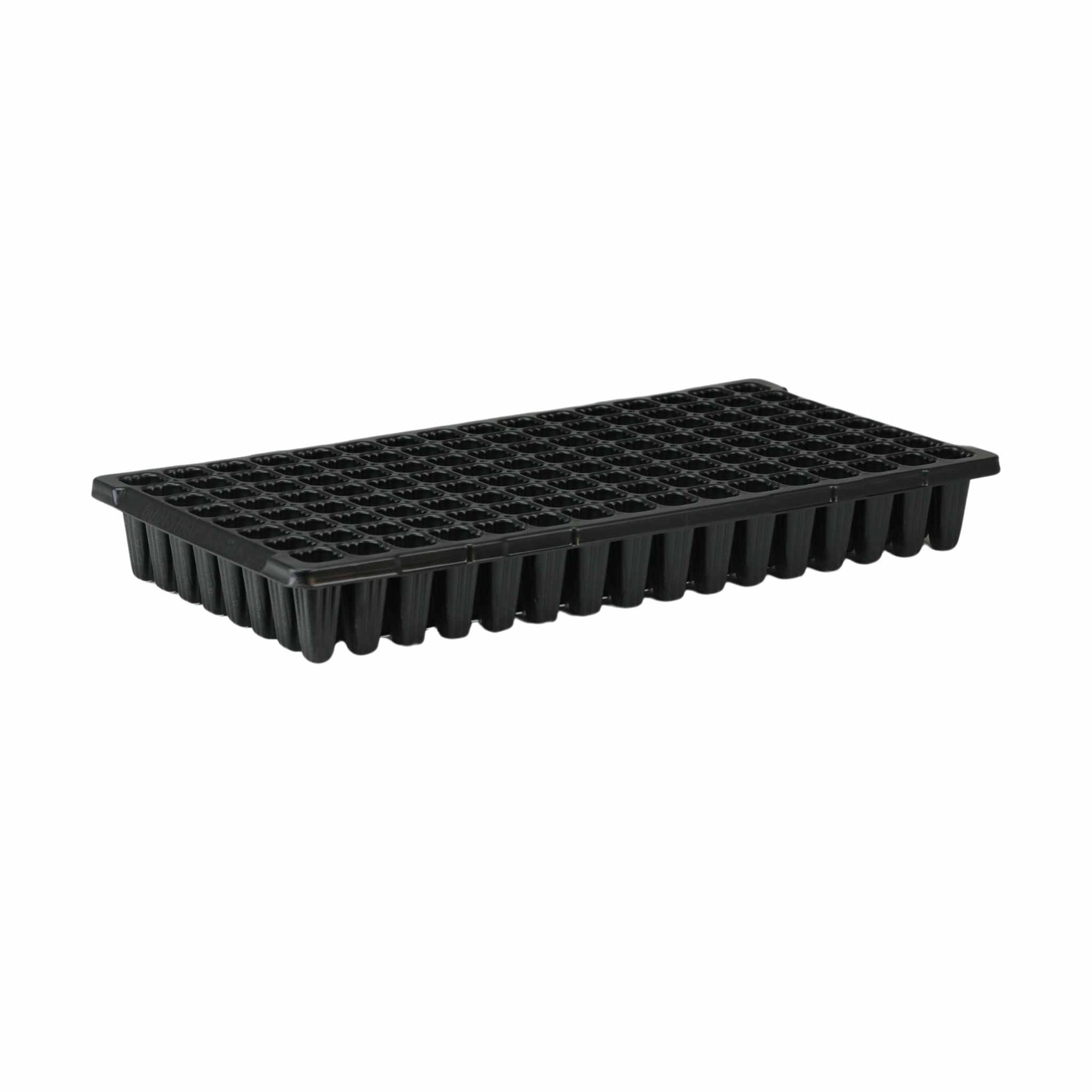
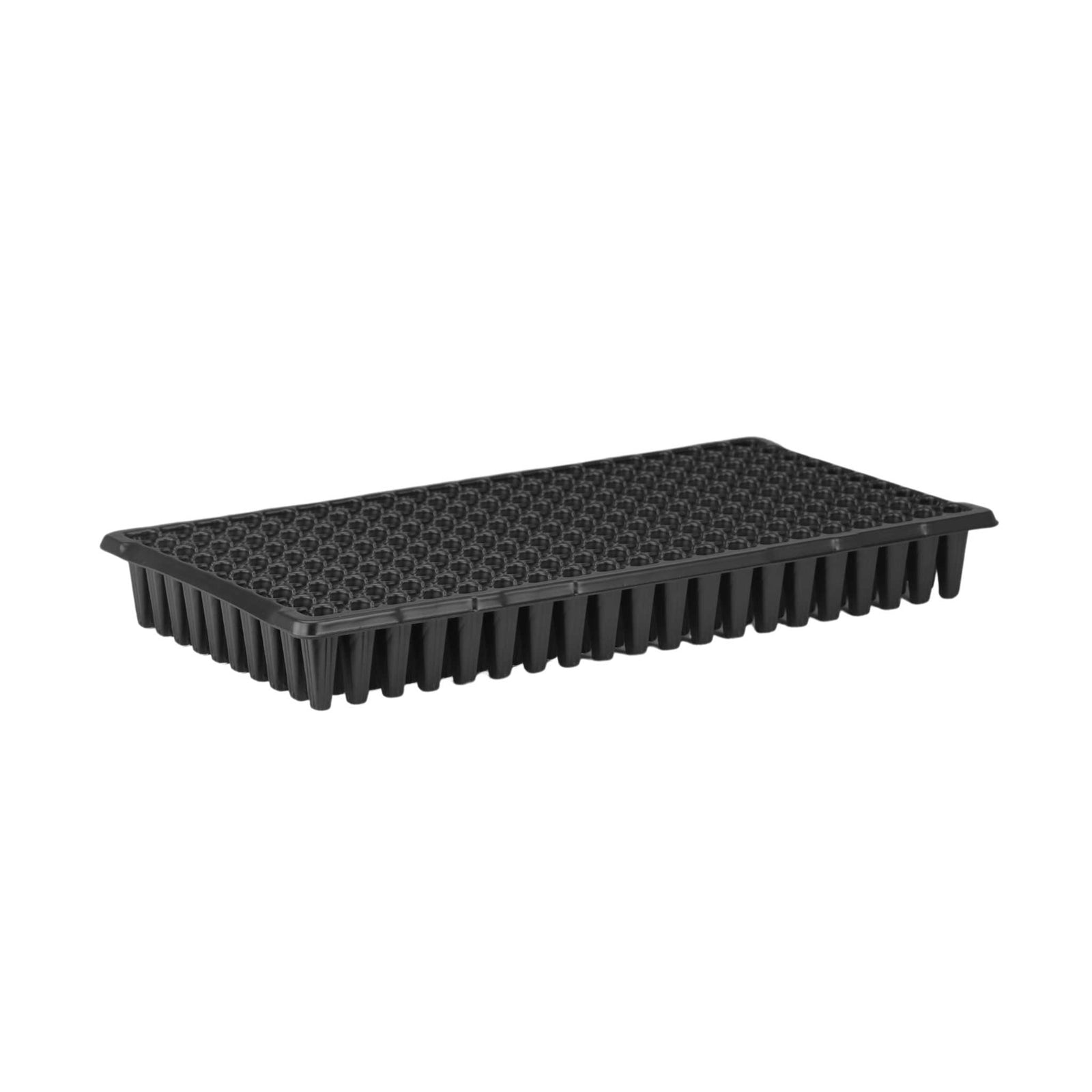
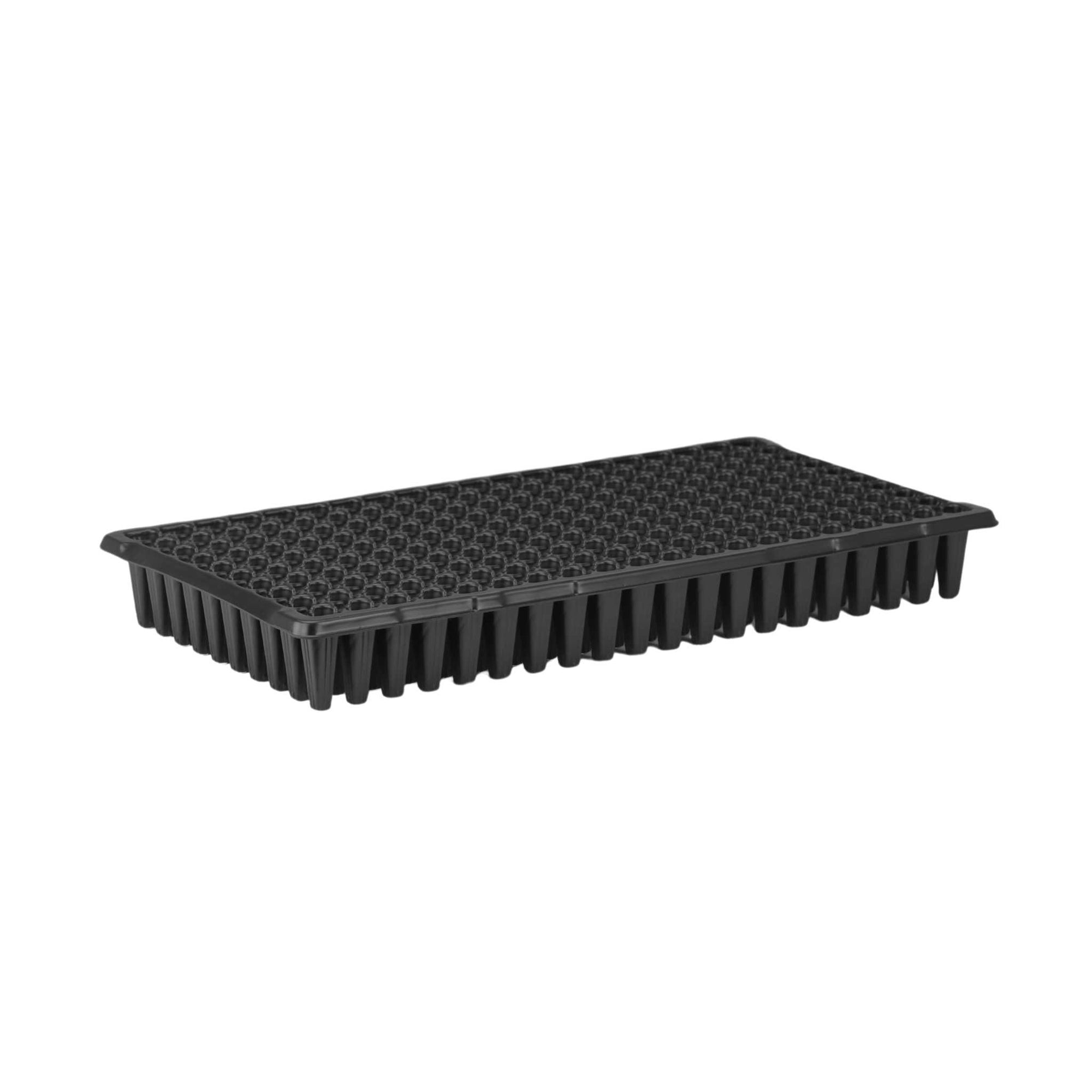
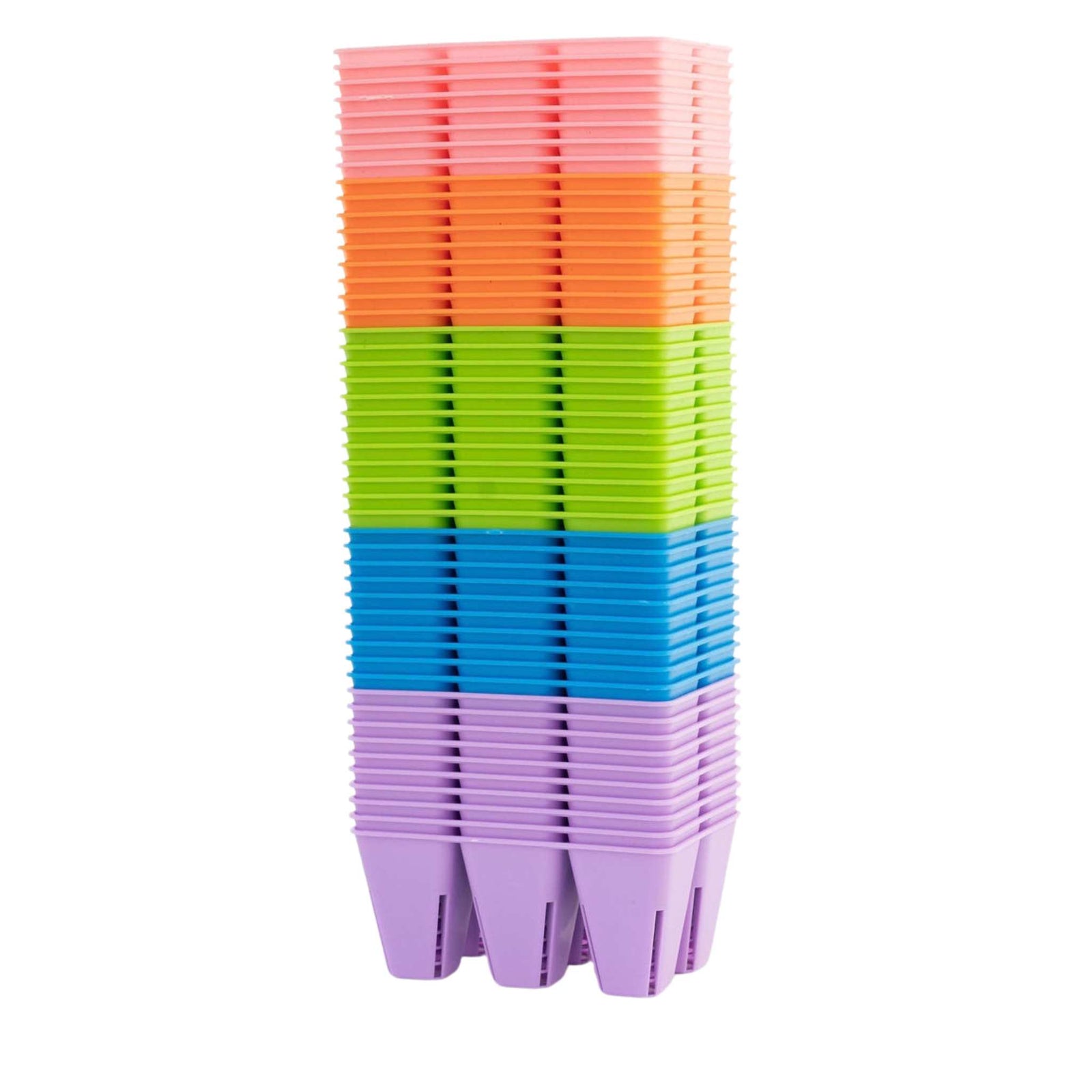
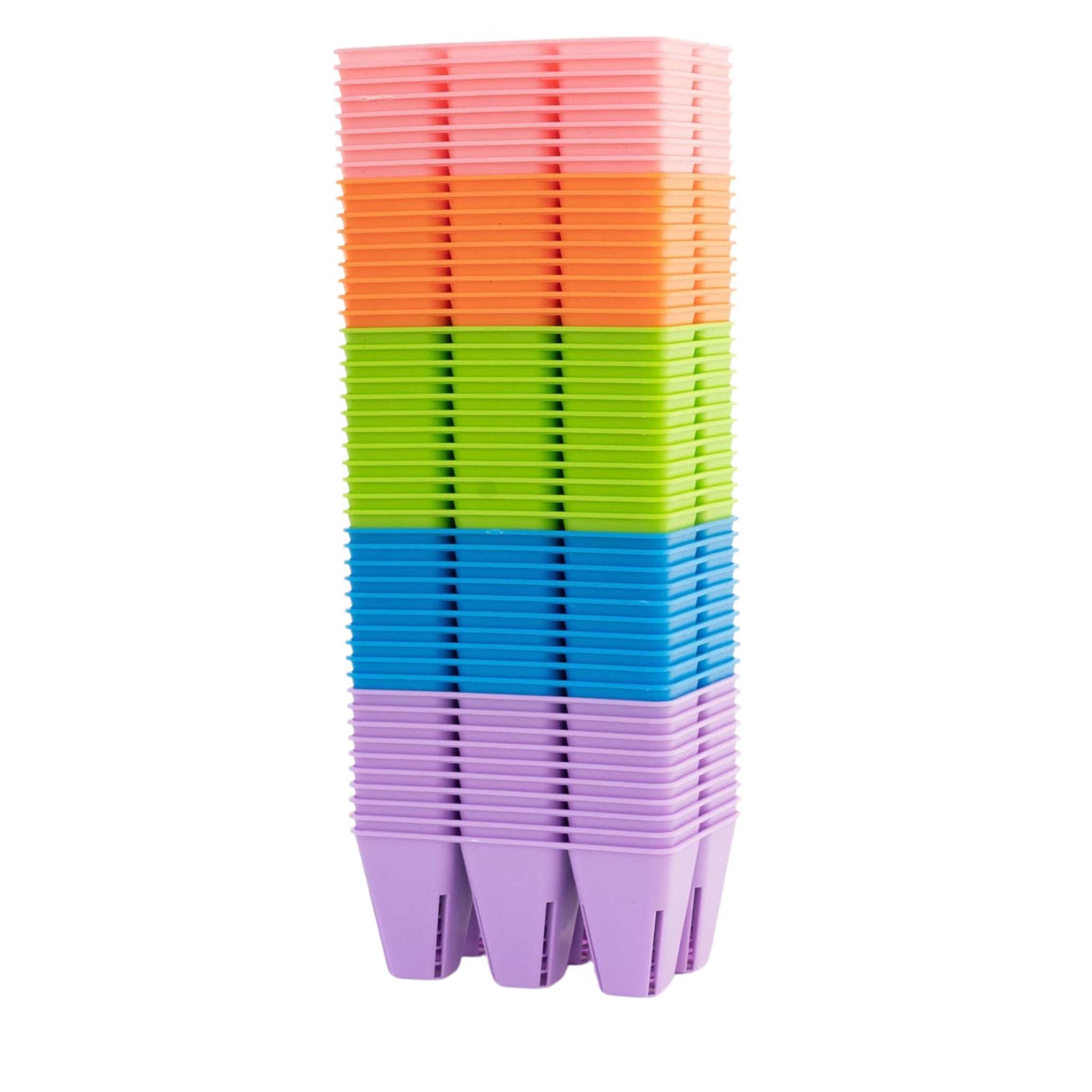
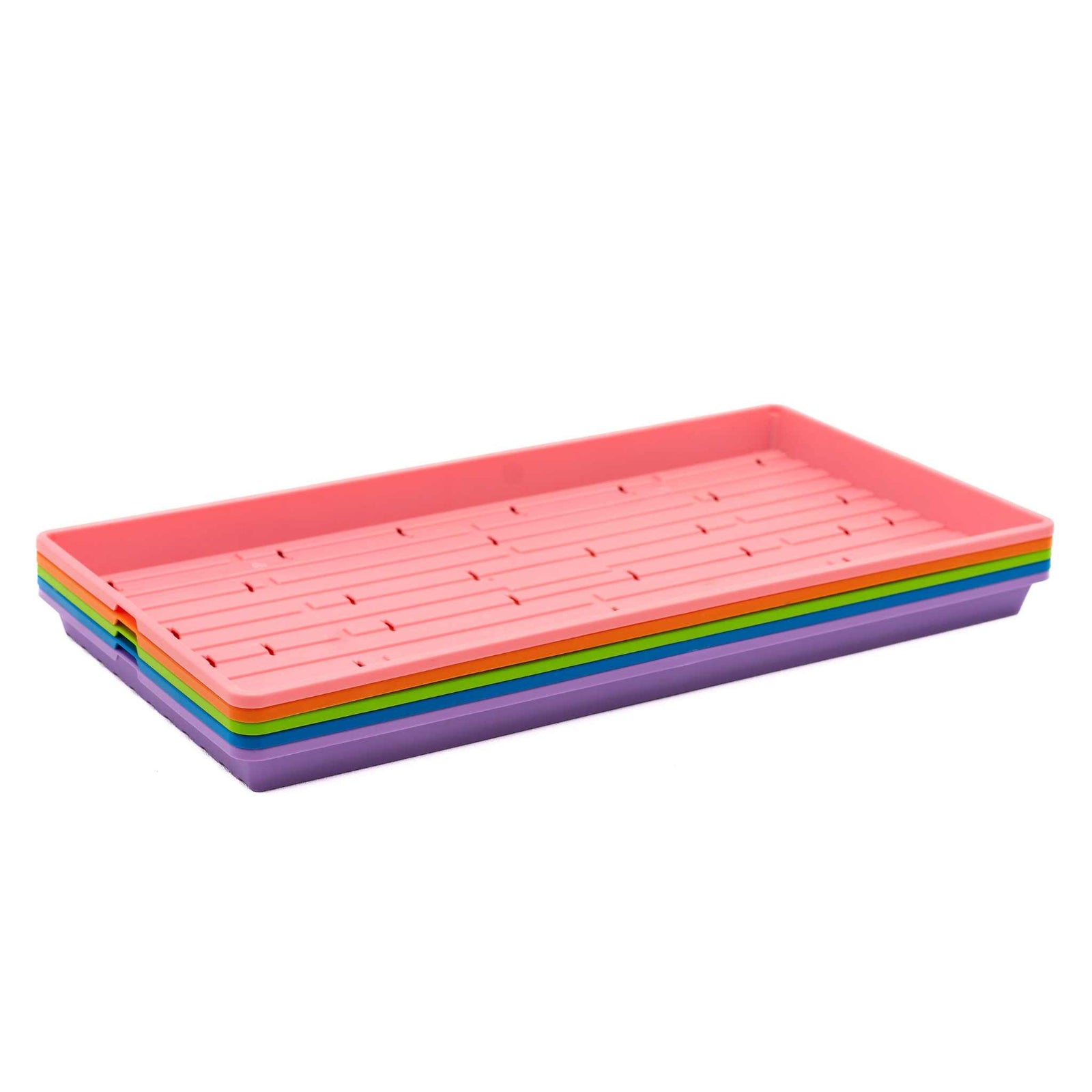
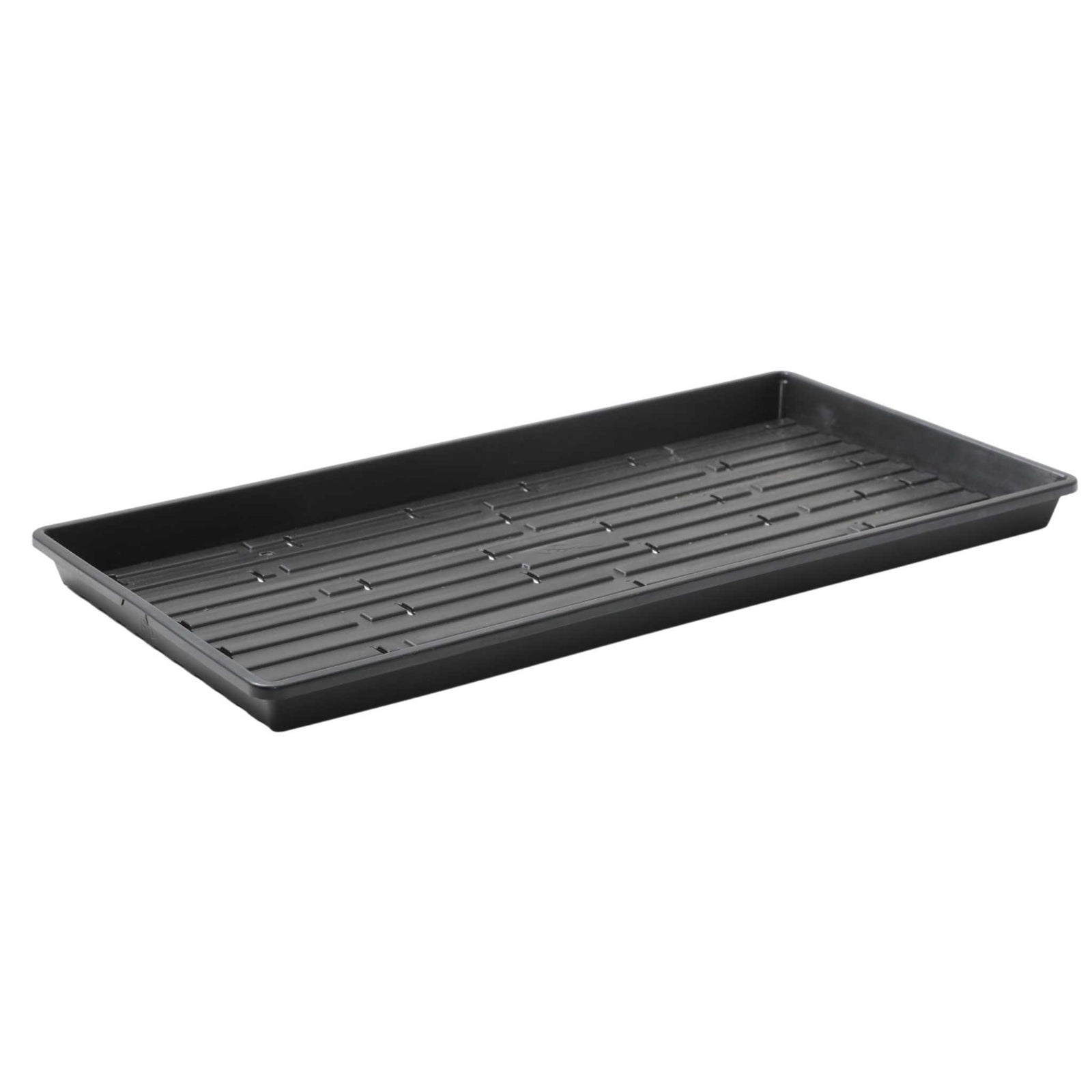
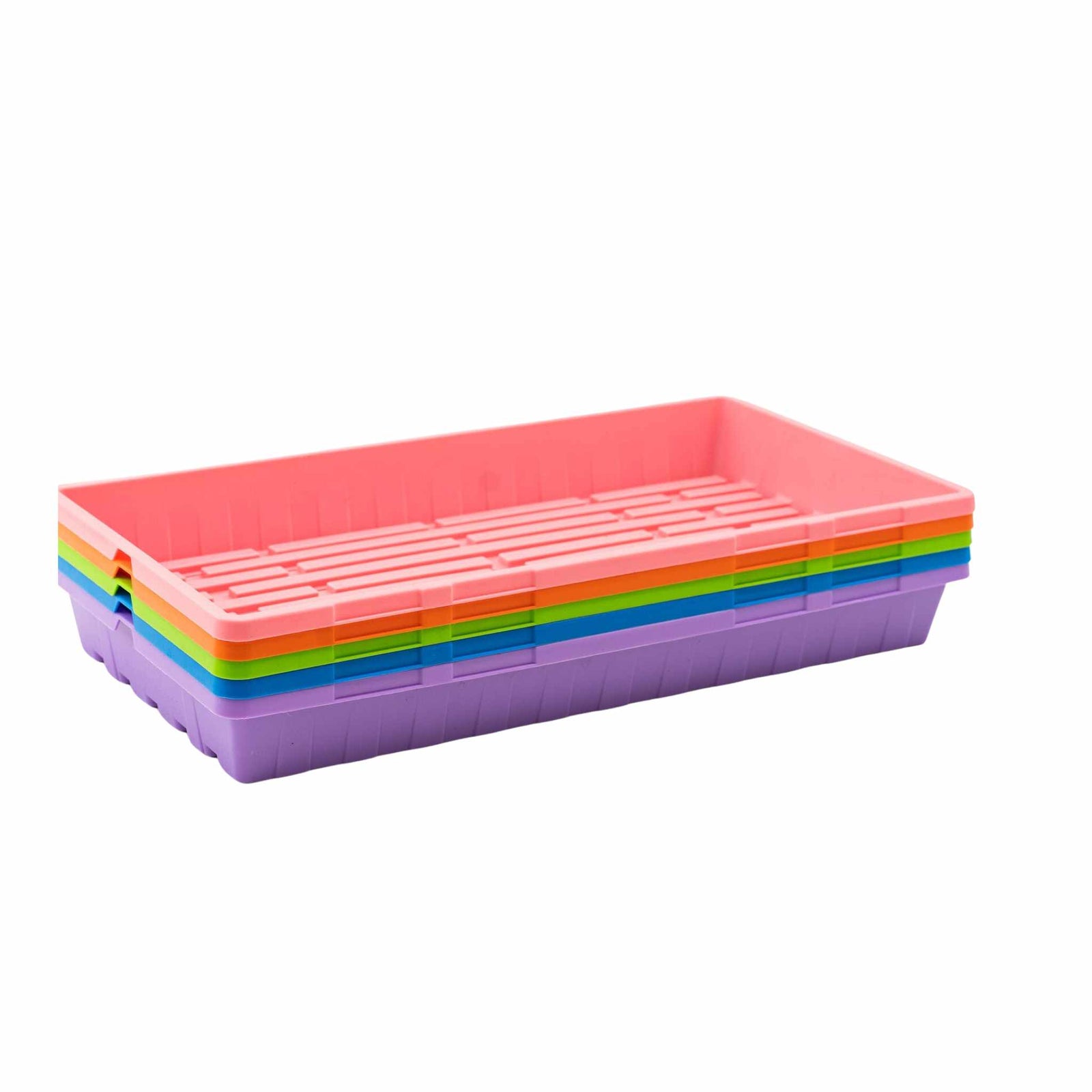
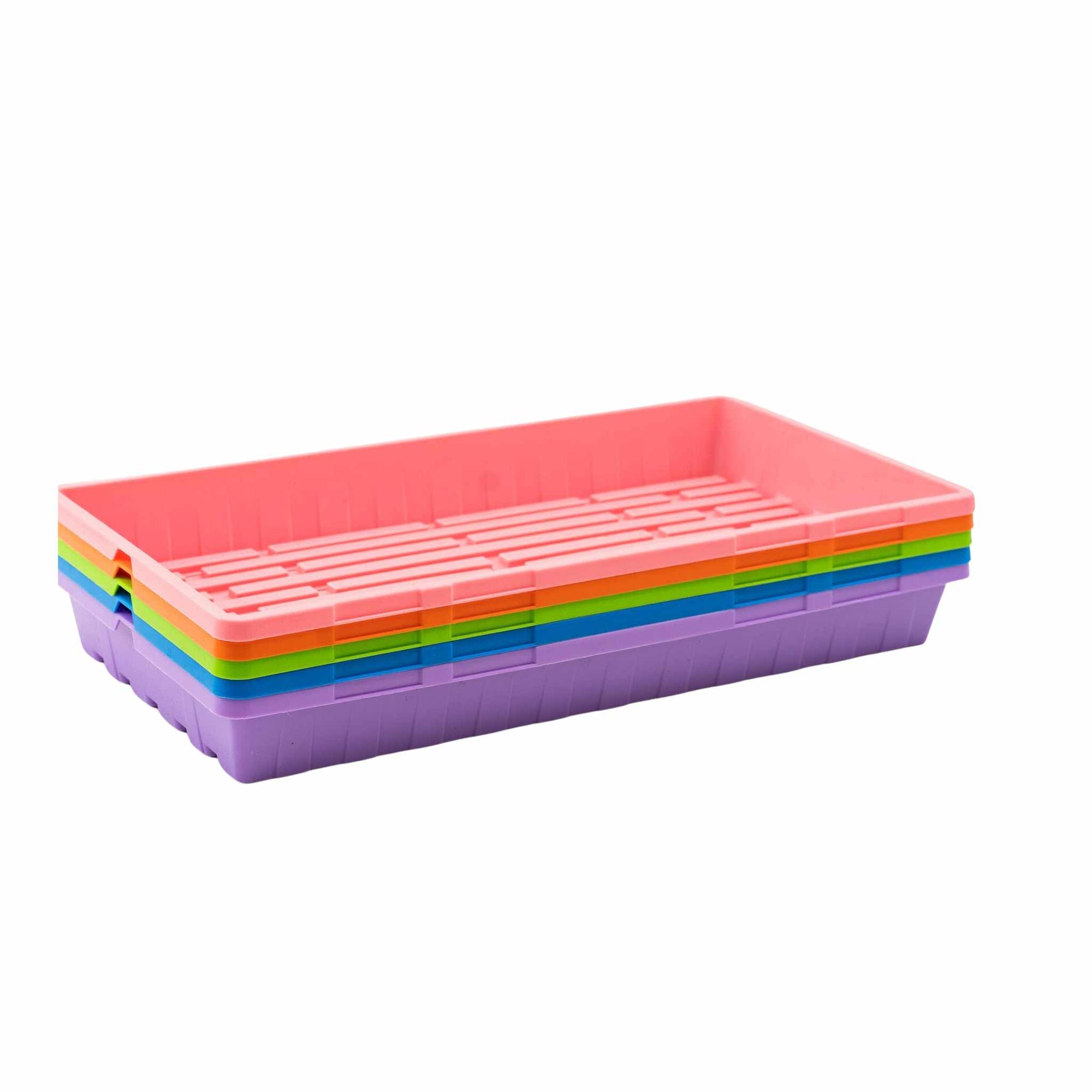
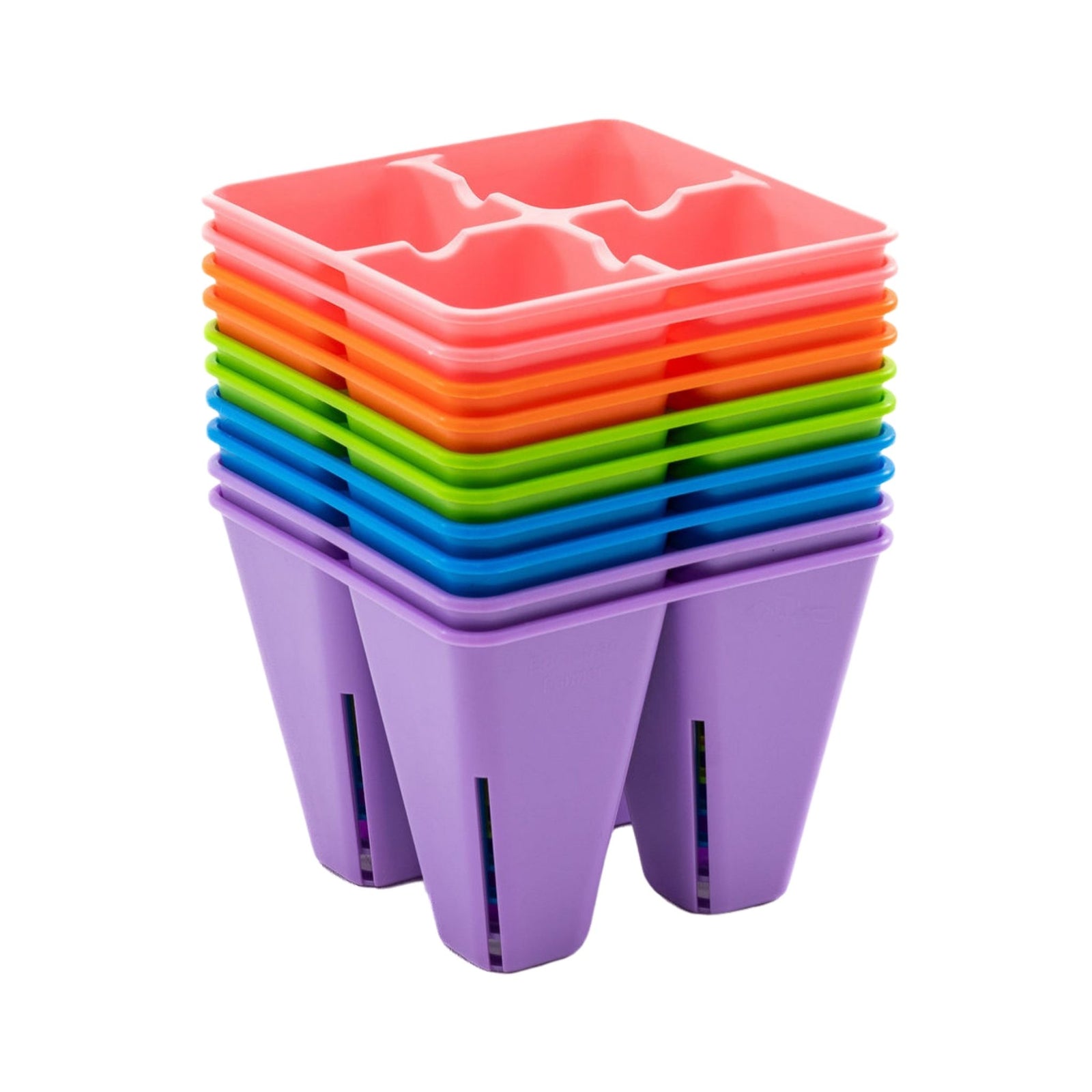
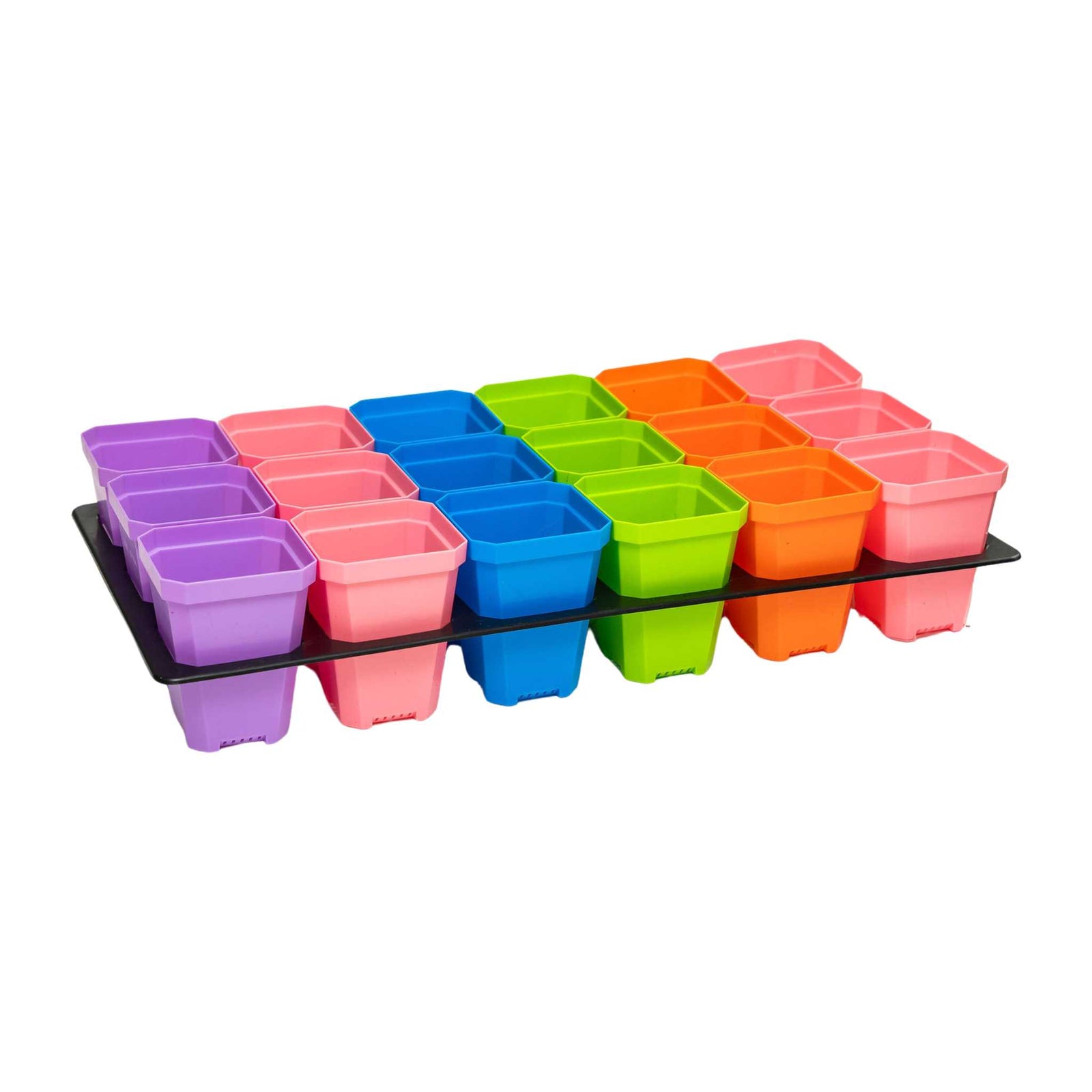
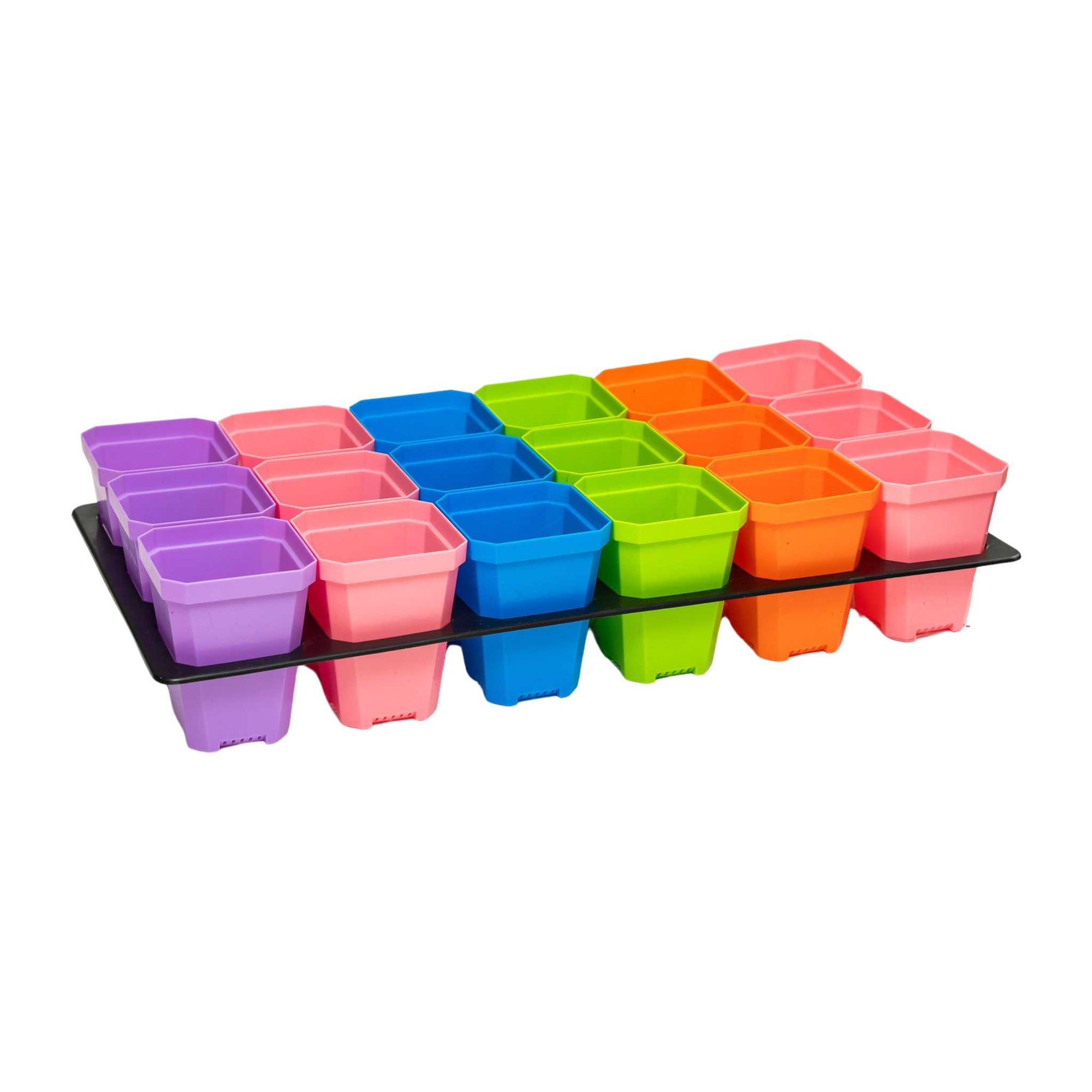
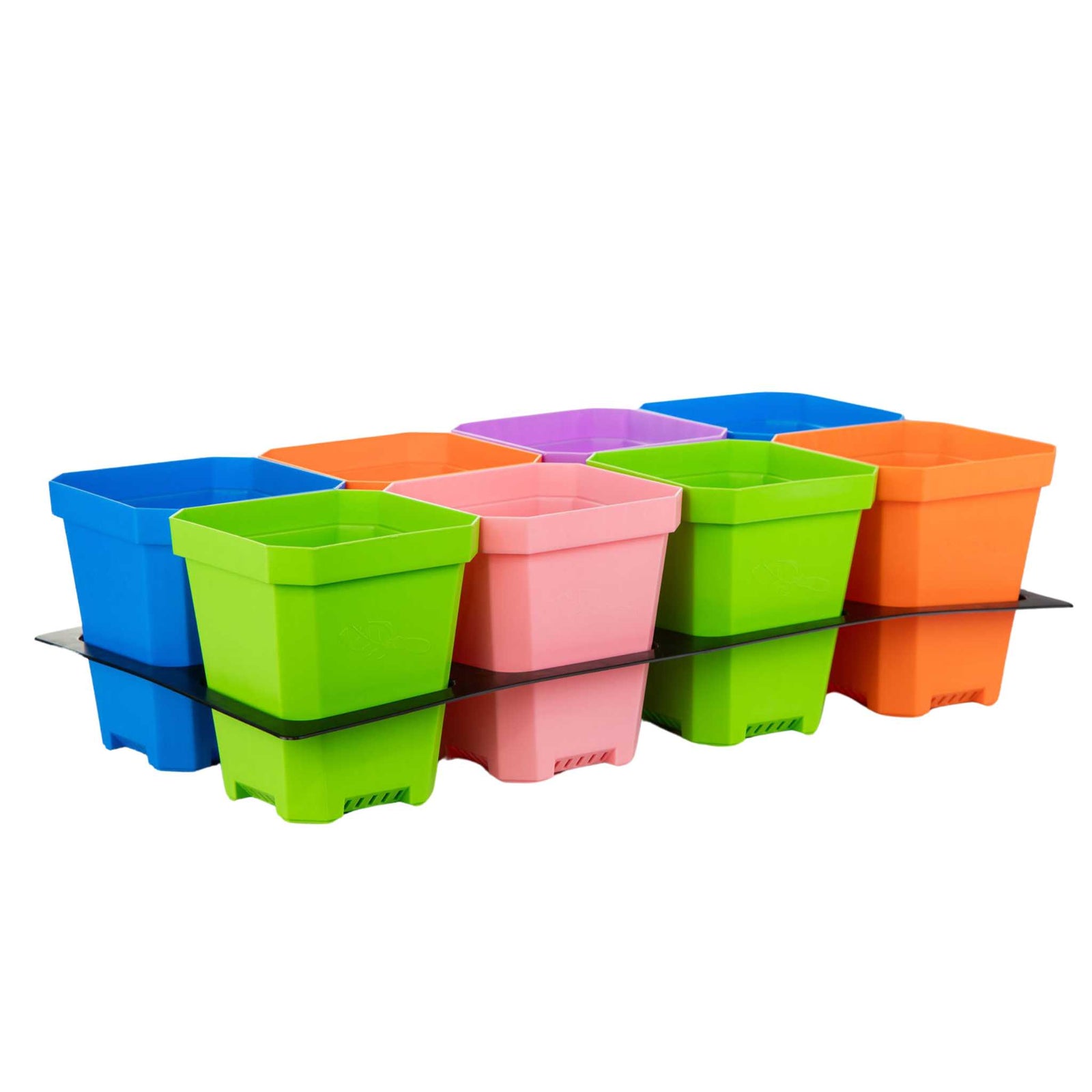
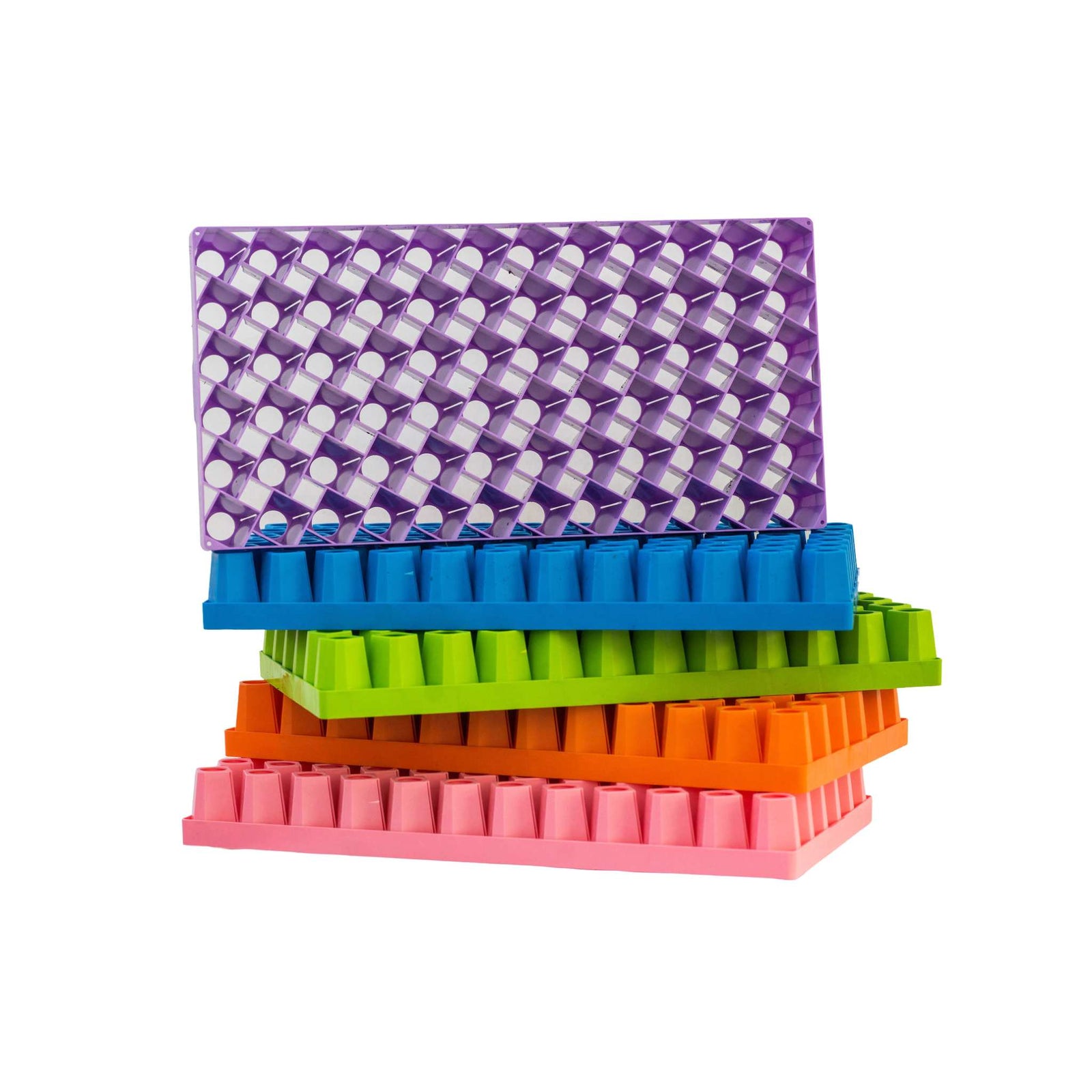
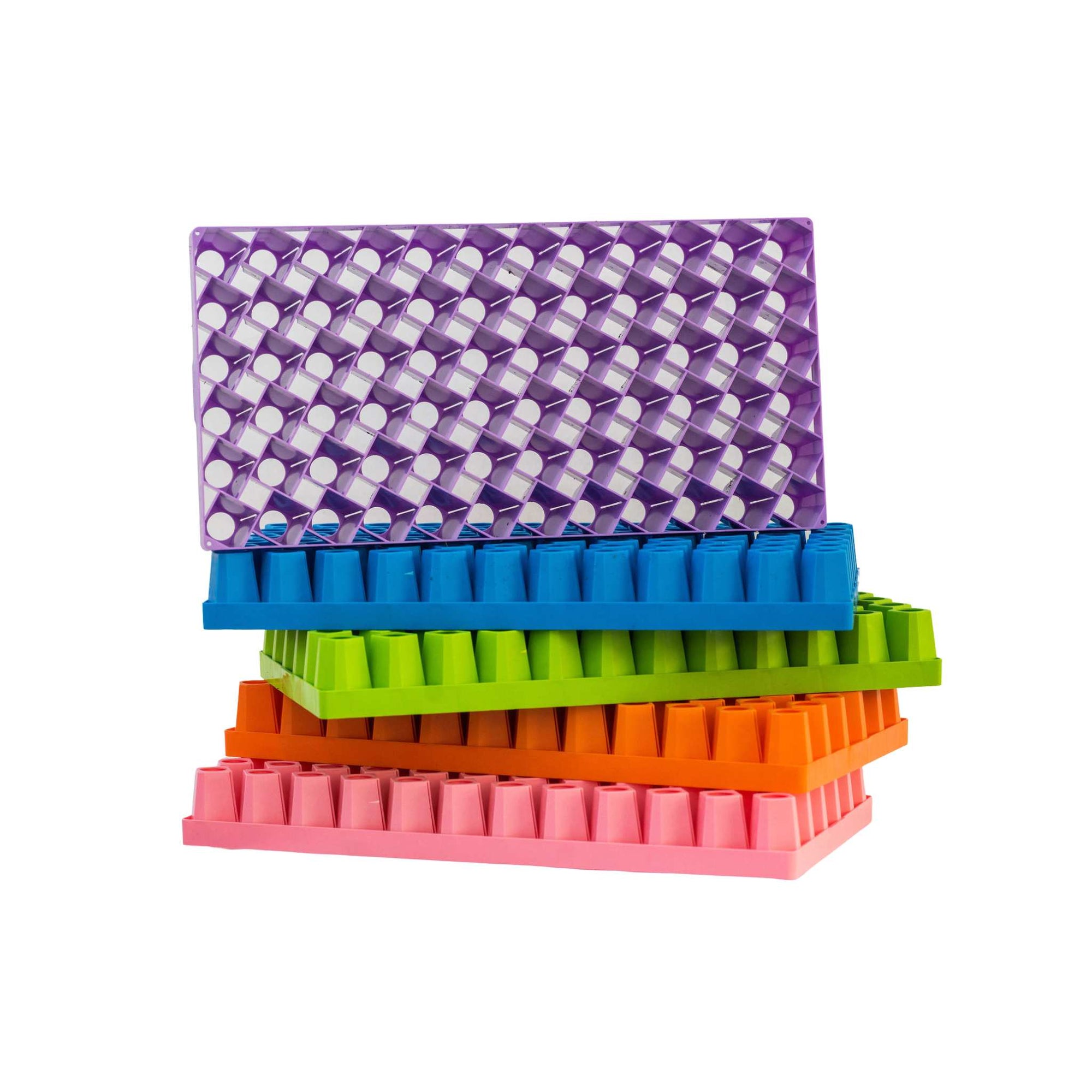
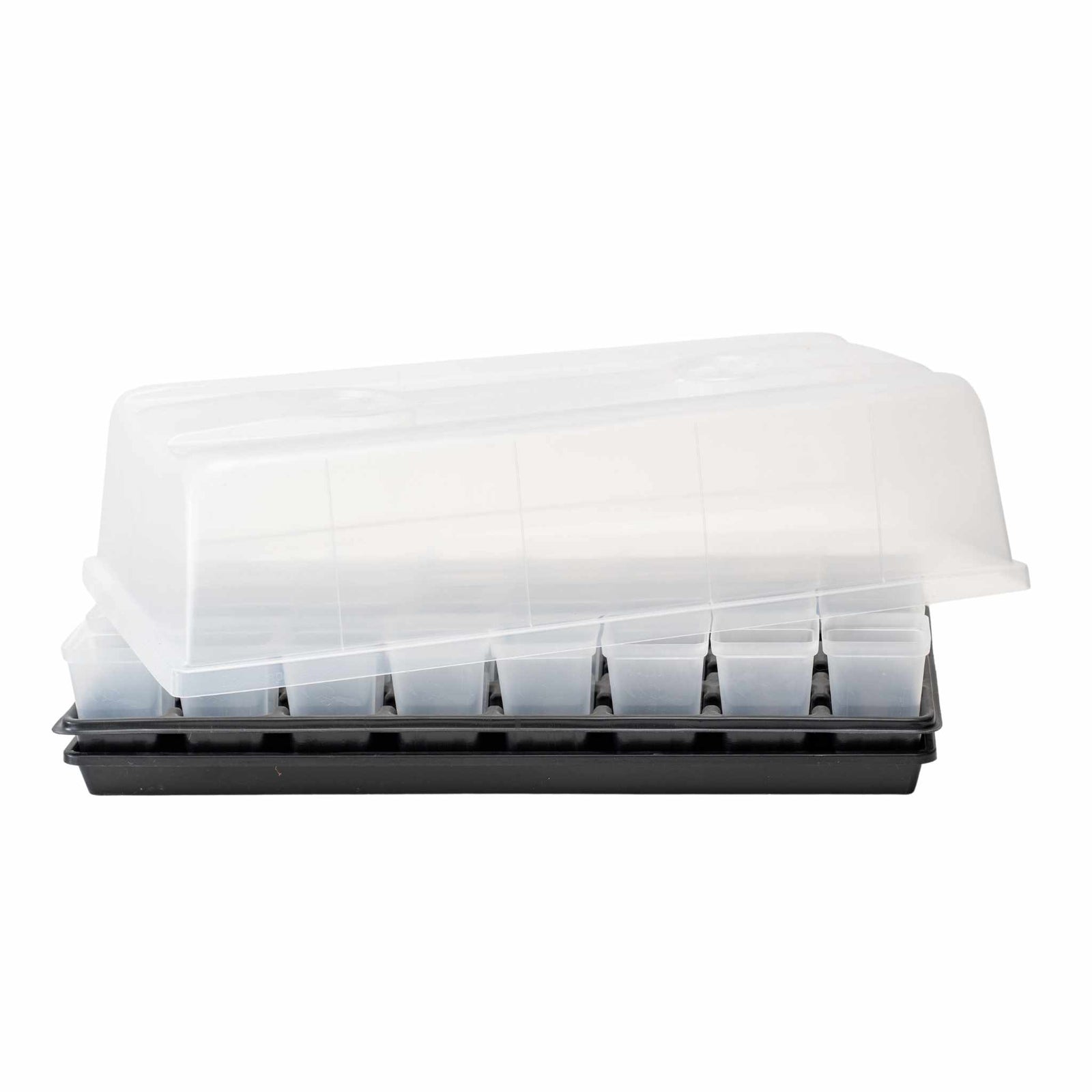
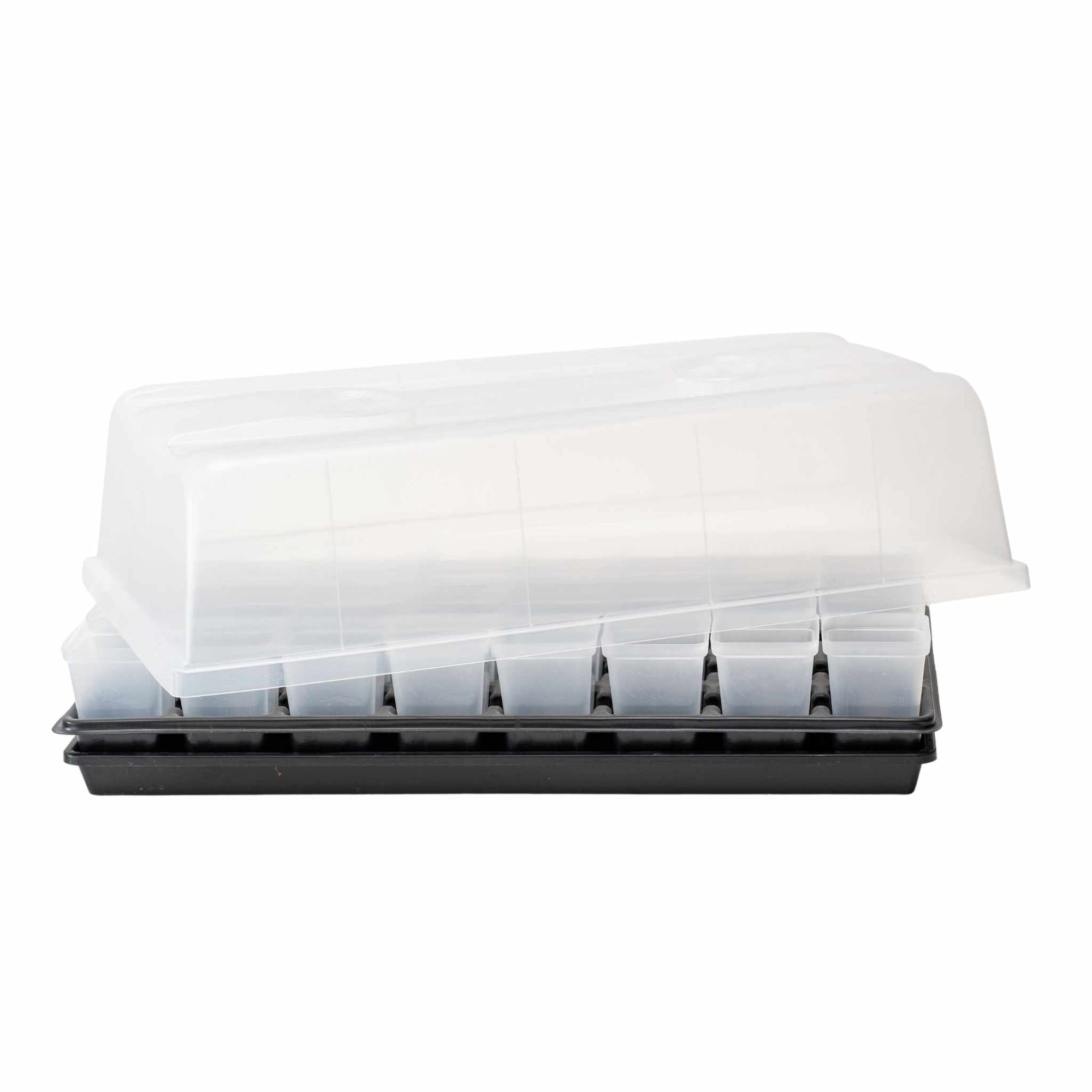
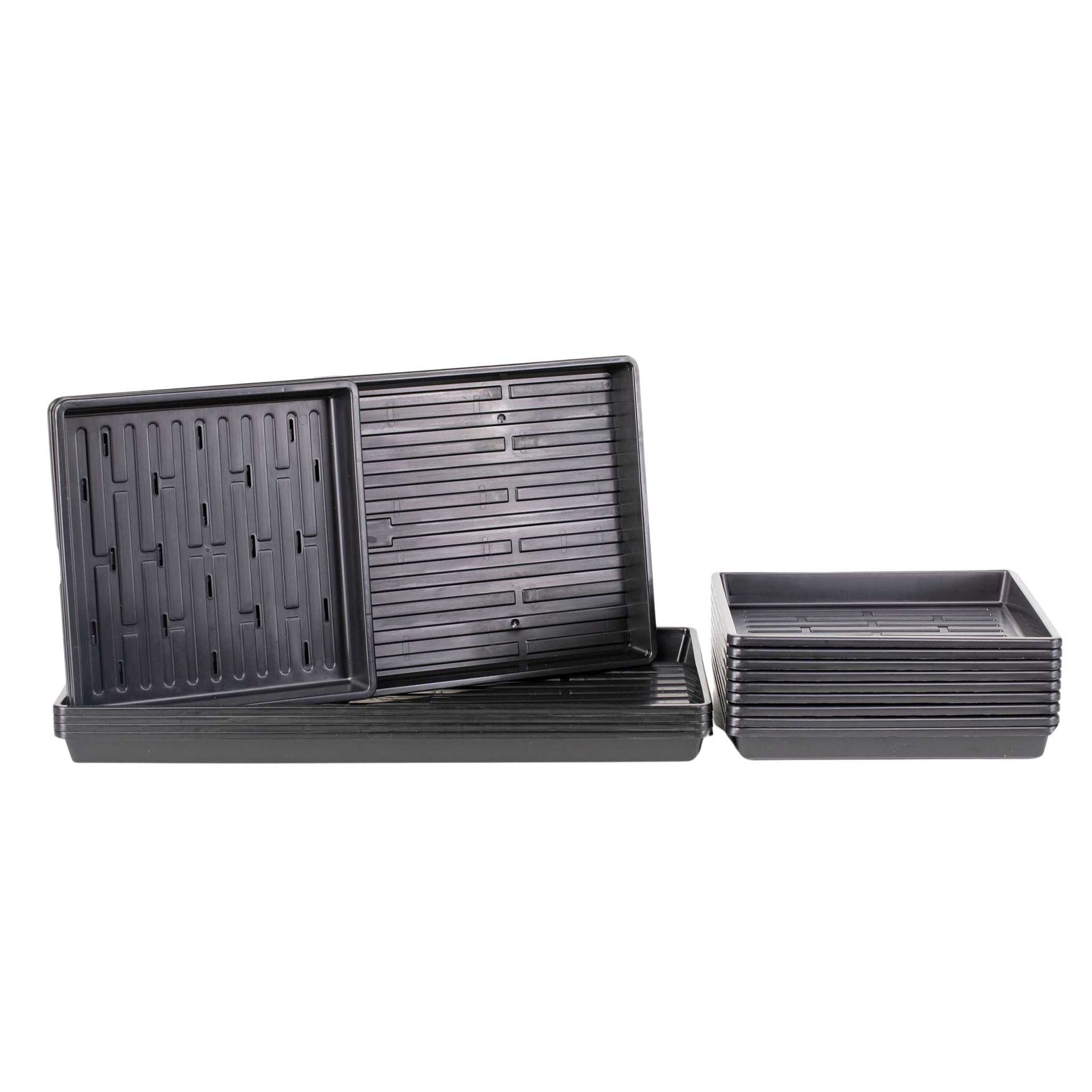
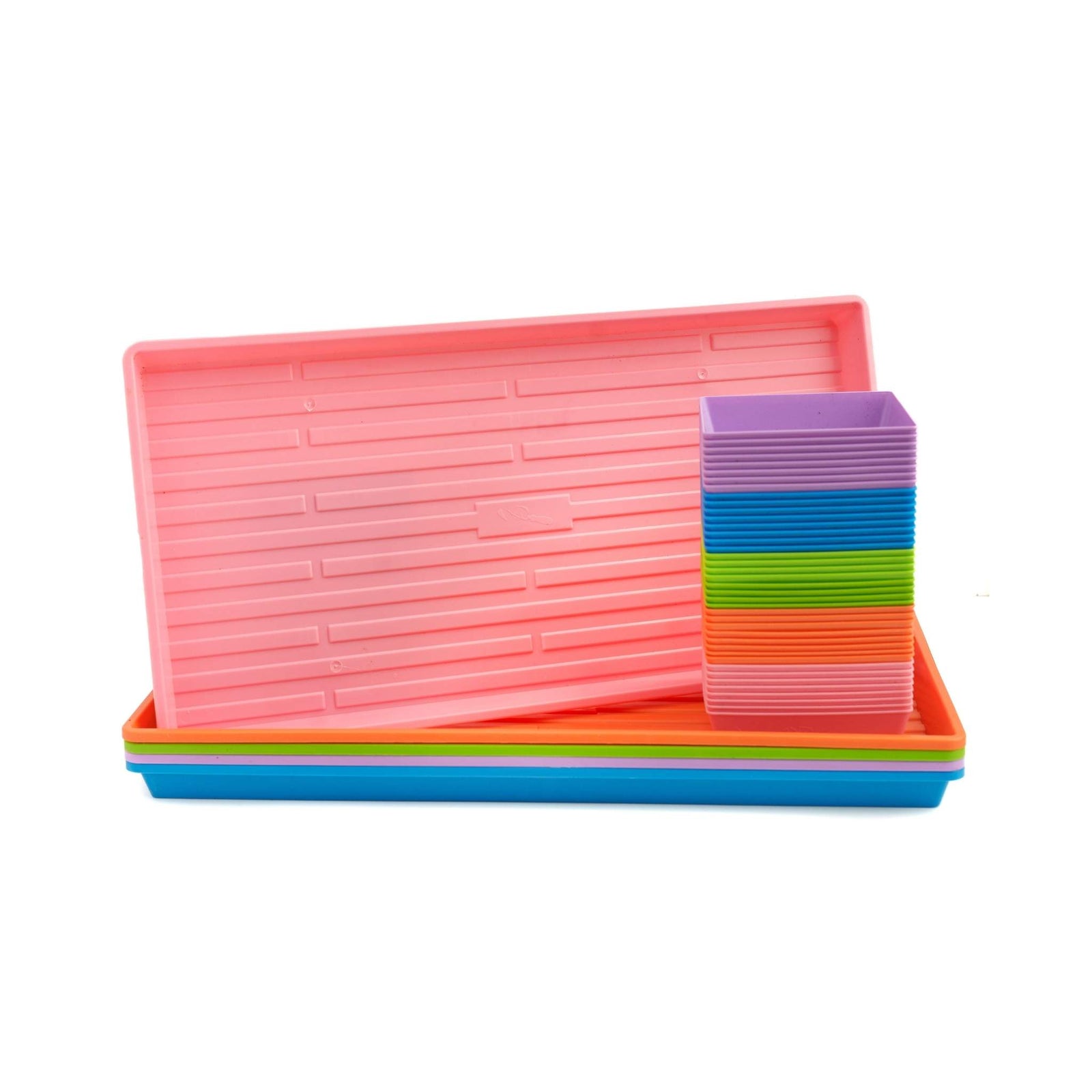
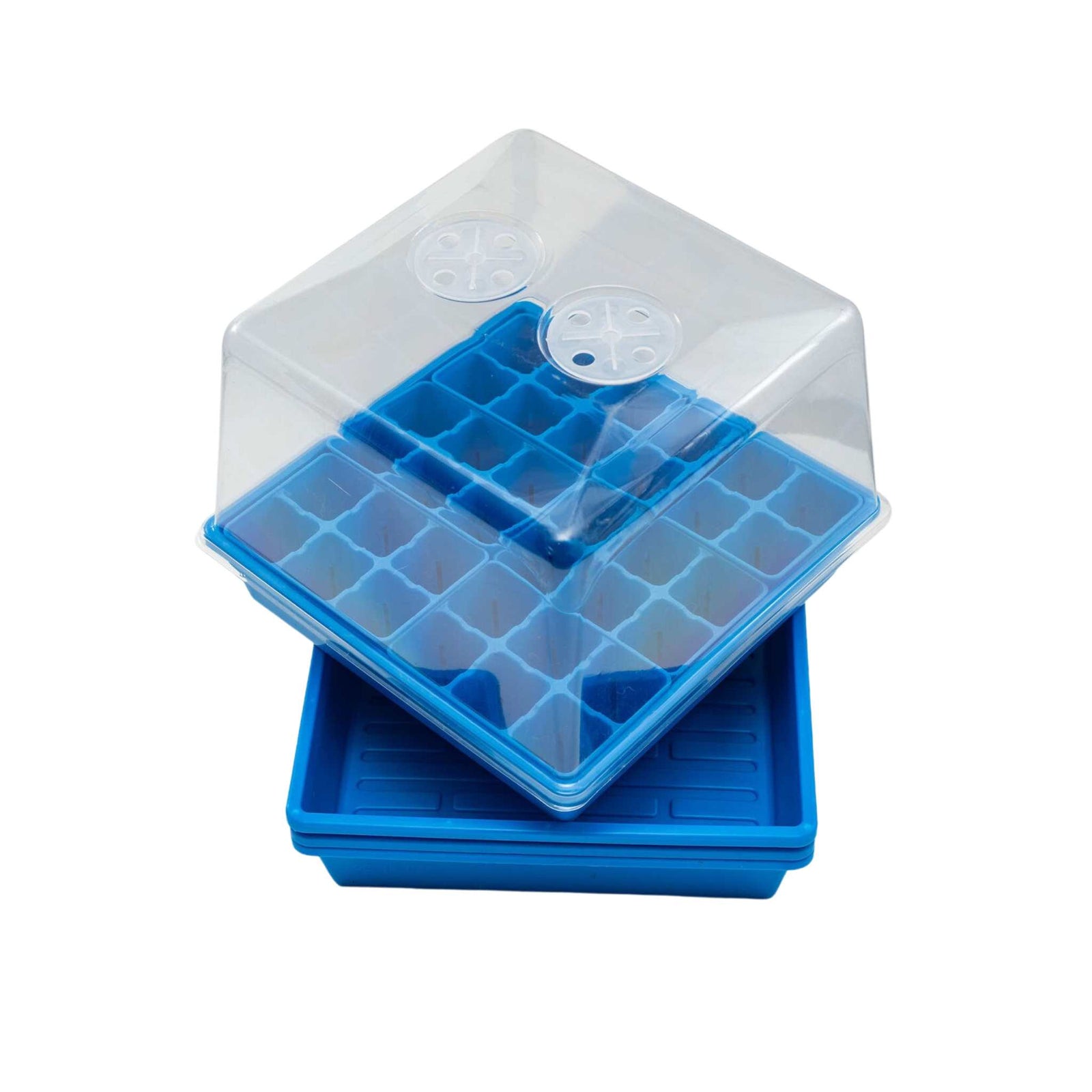
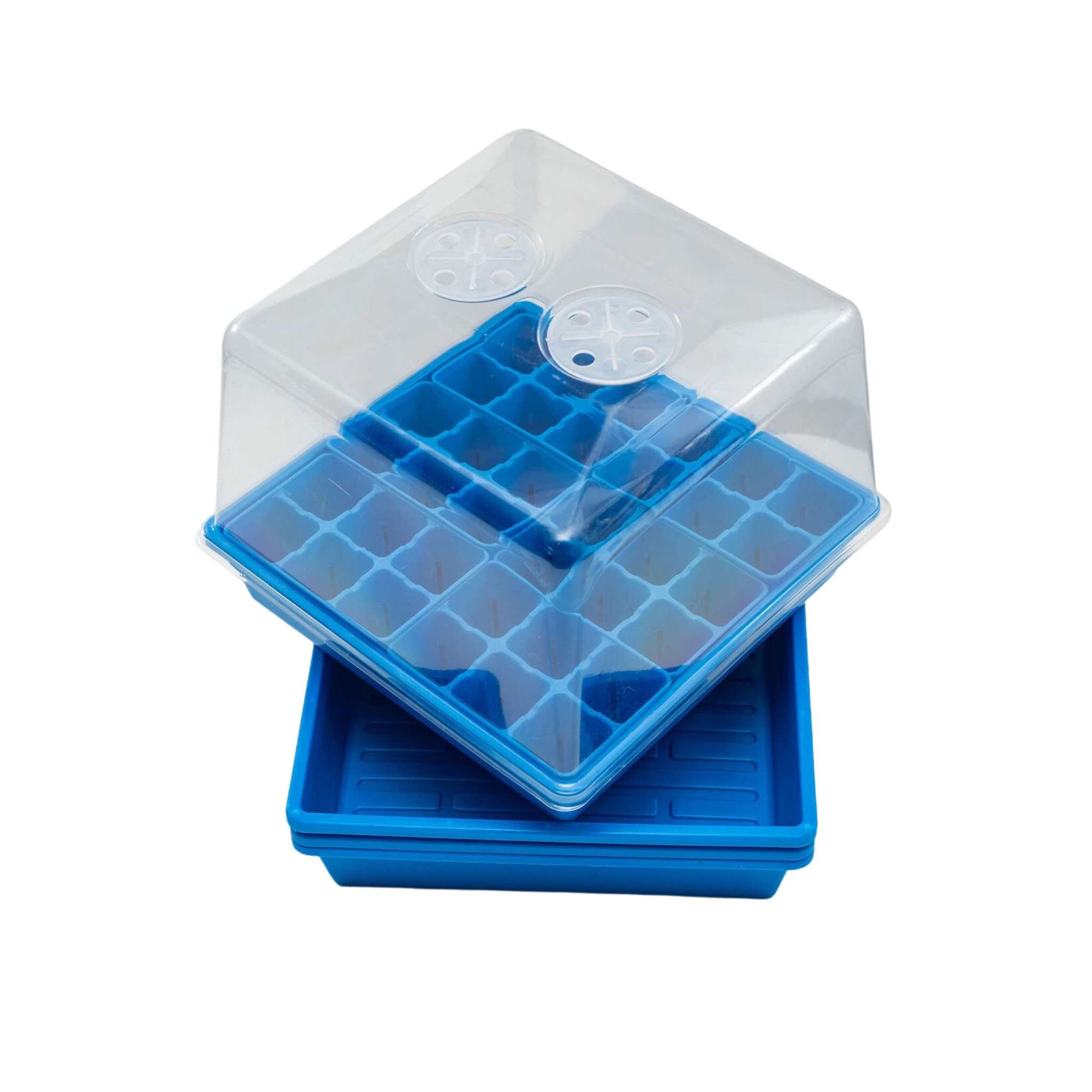
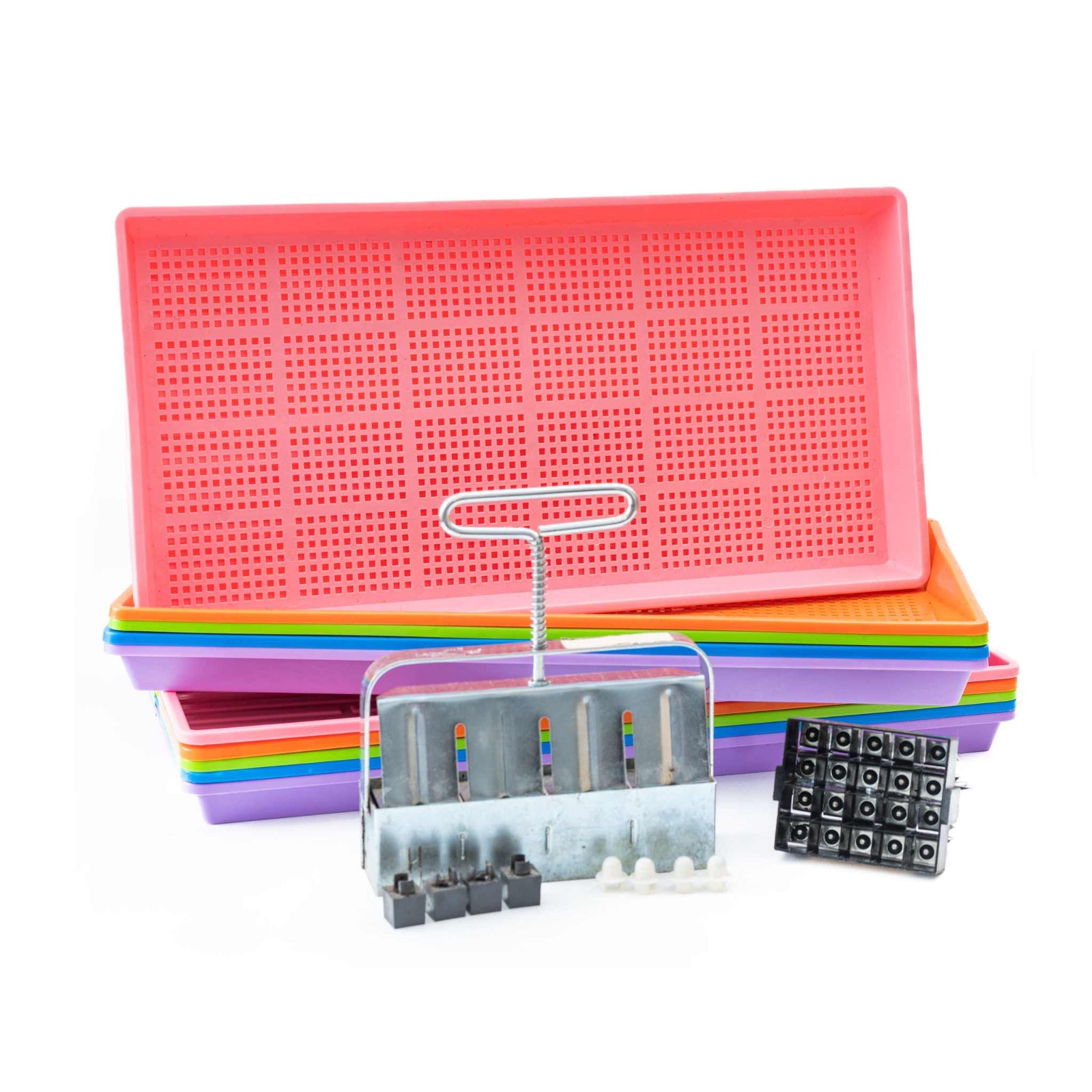
Sowing for fall requires precise timing. Count backward from your local first frost date and add two weeks to build a buffer. For transplants, start seeds indoors at least 8 weeks before frost, then transplant them 4-6 weeks before the frost hits. Choose the right trays for your crop. Read our guide on selecting the right seed starting cell trays.
Season Extension Infrastructure
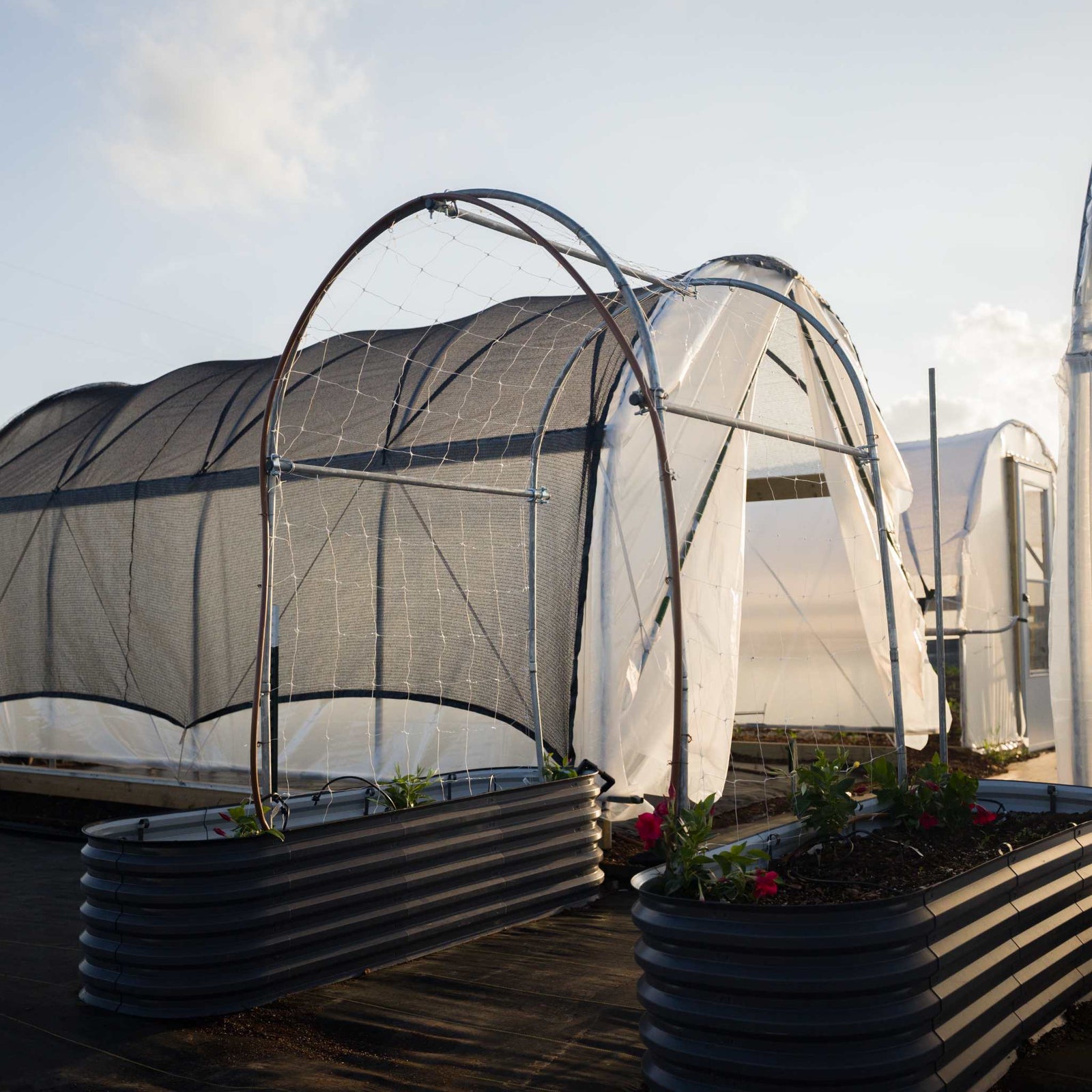
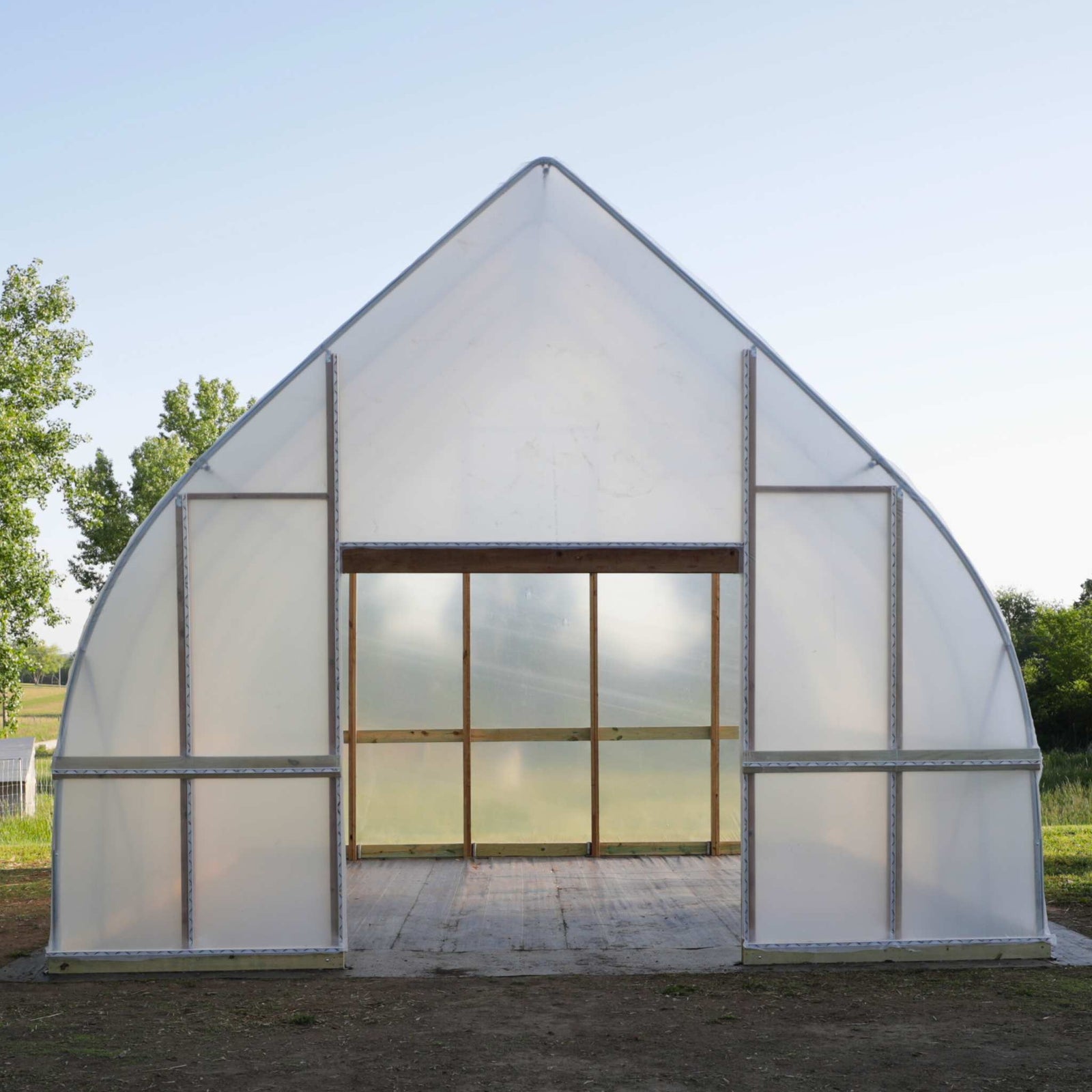
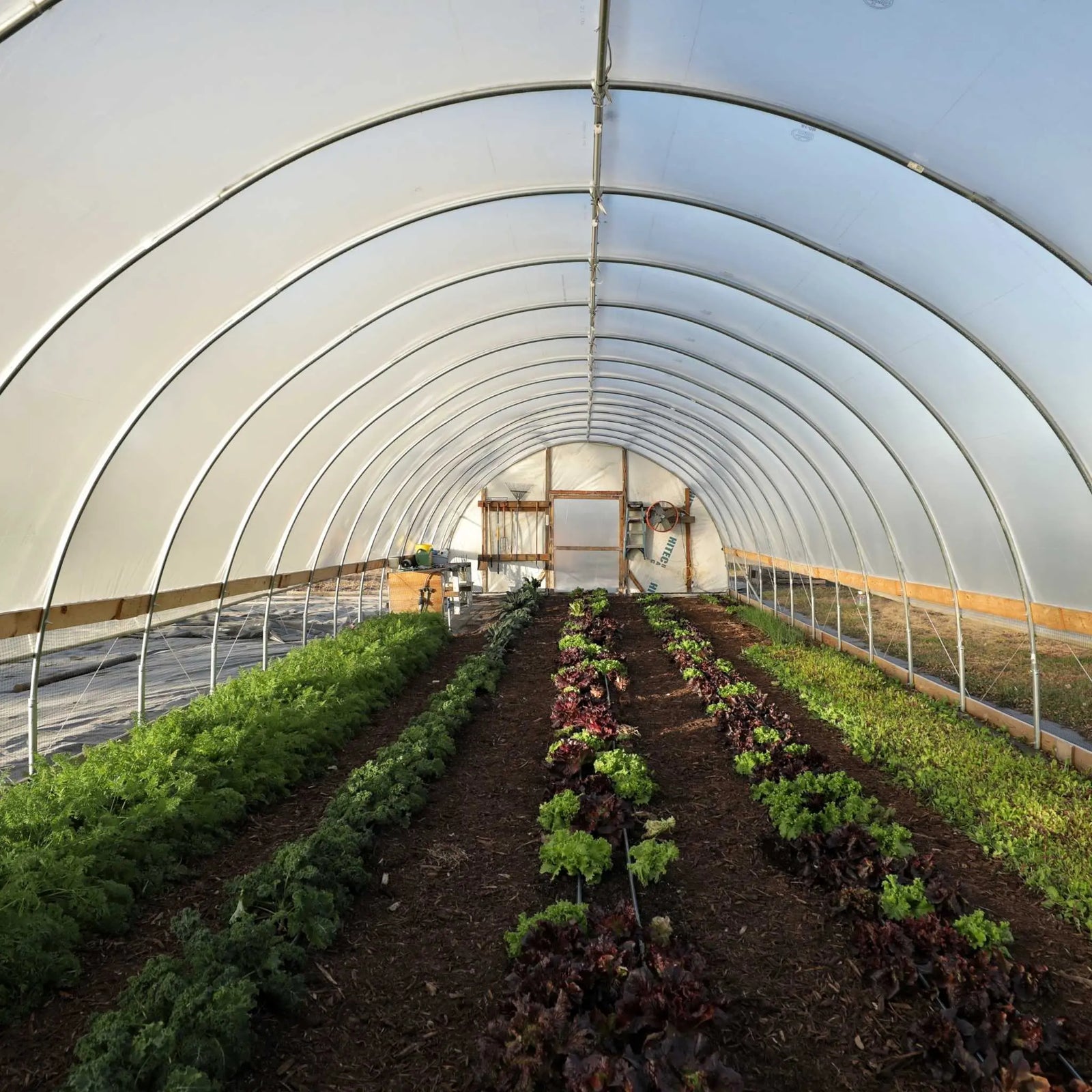
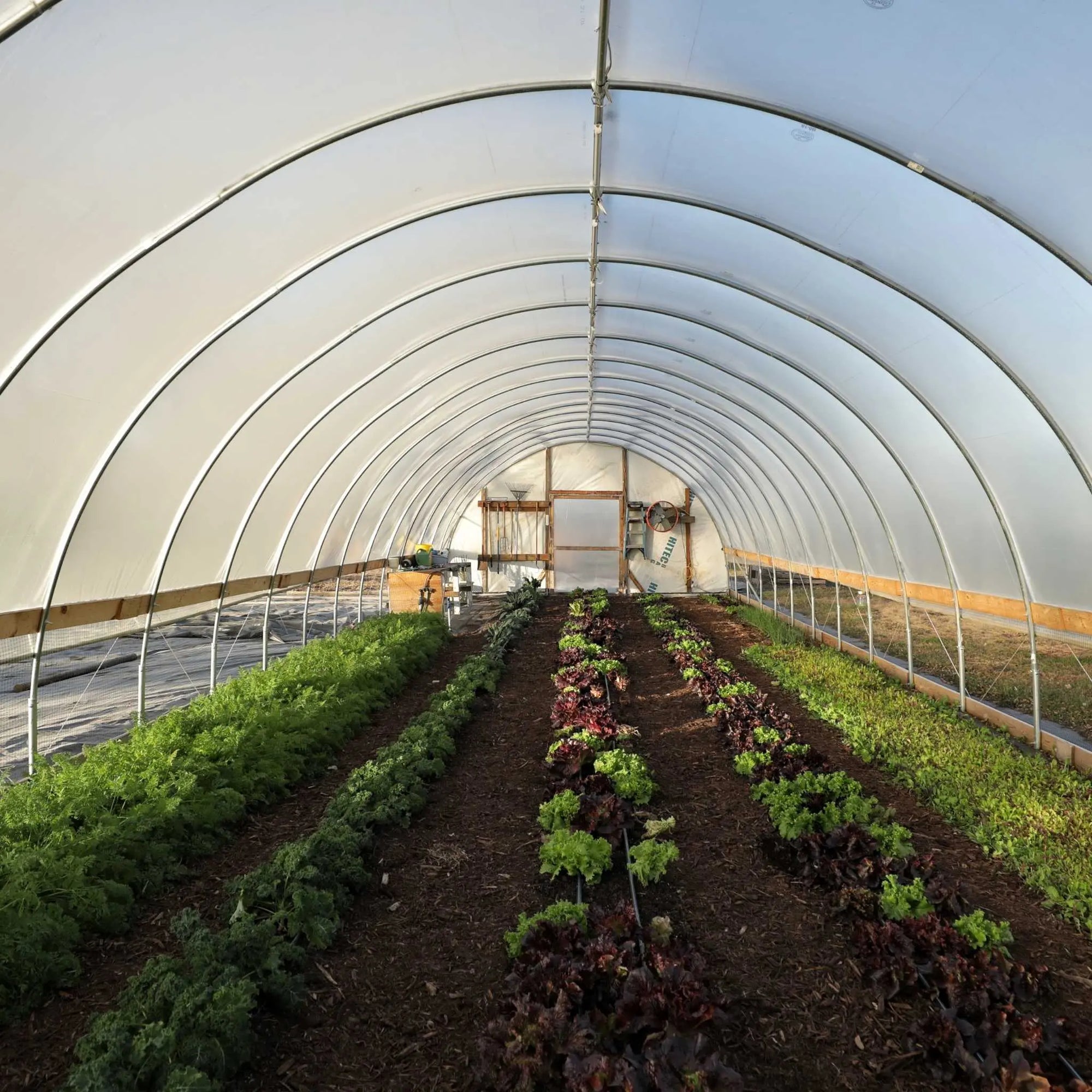
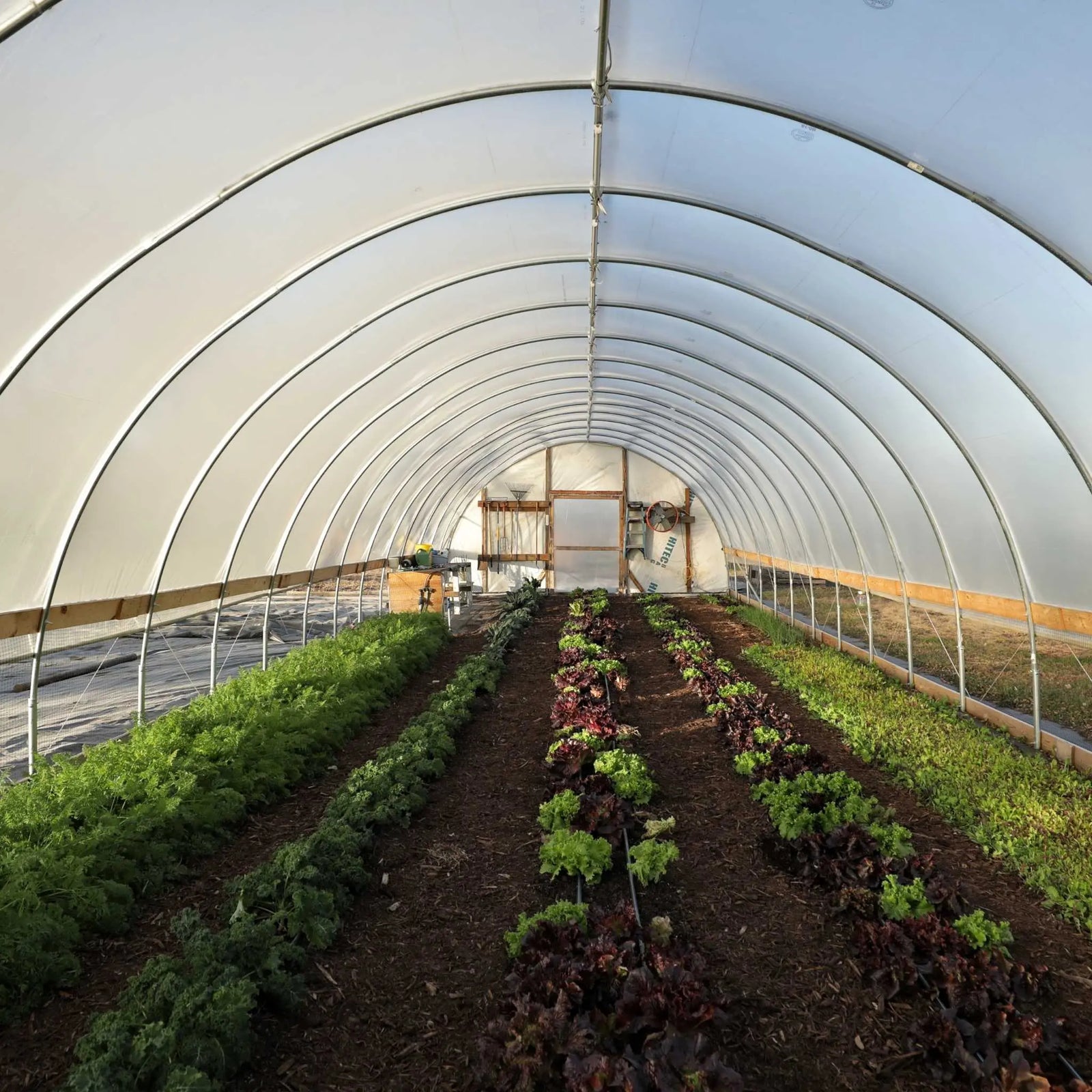
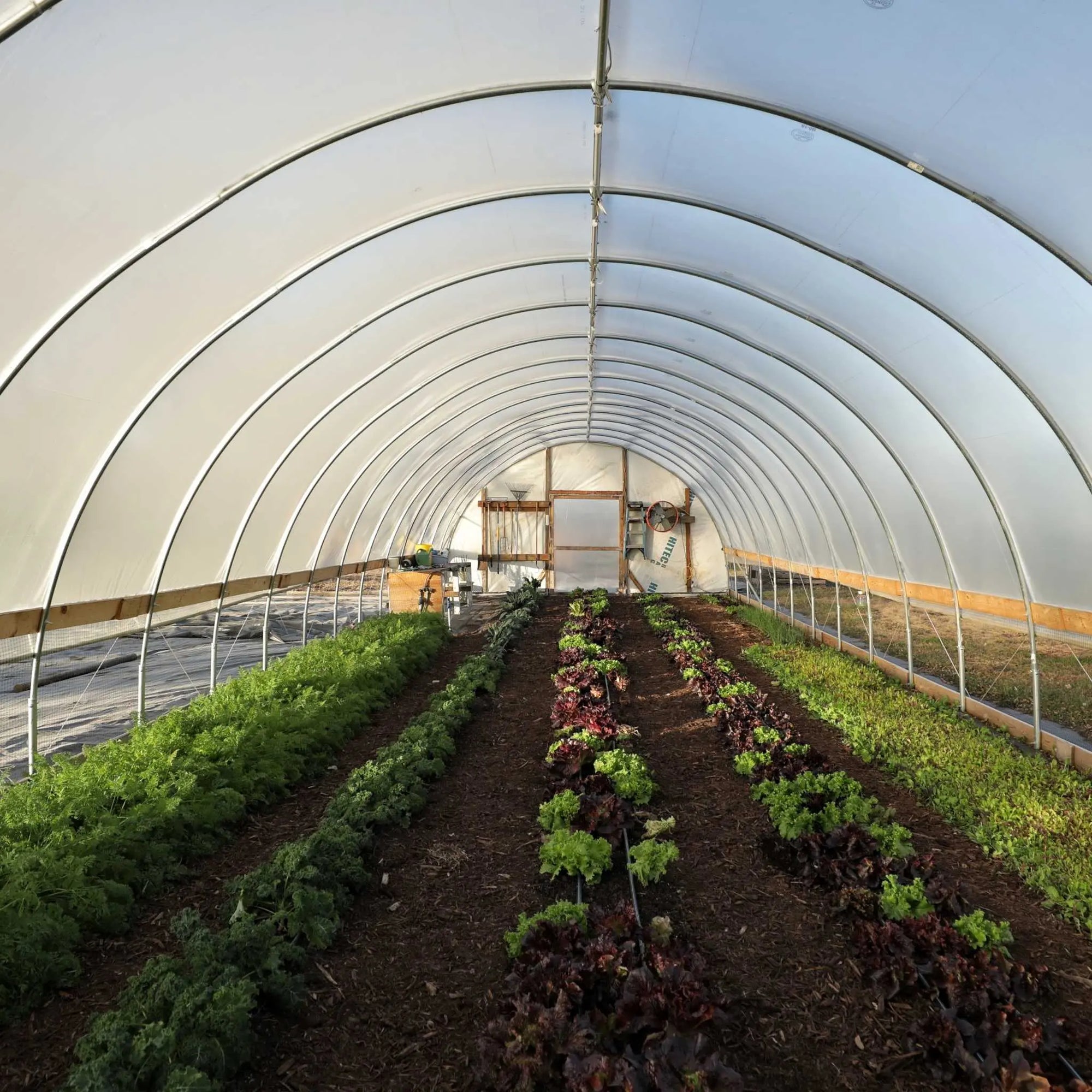
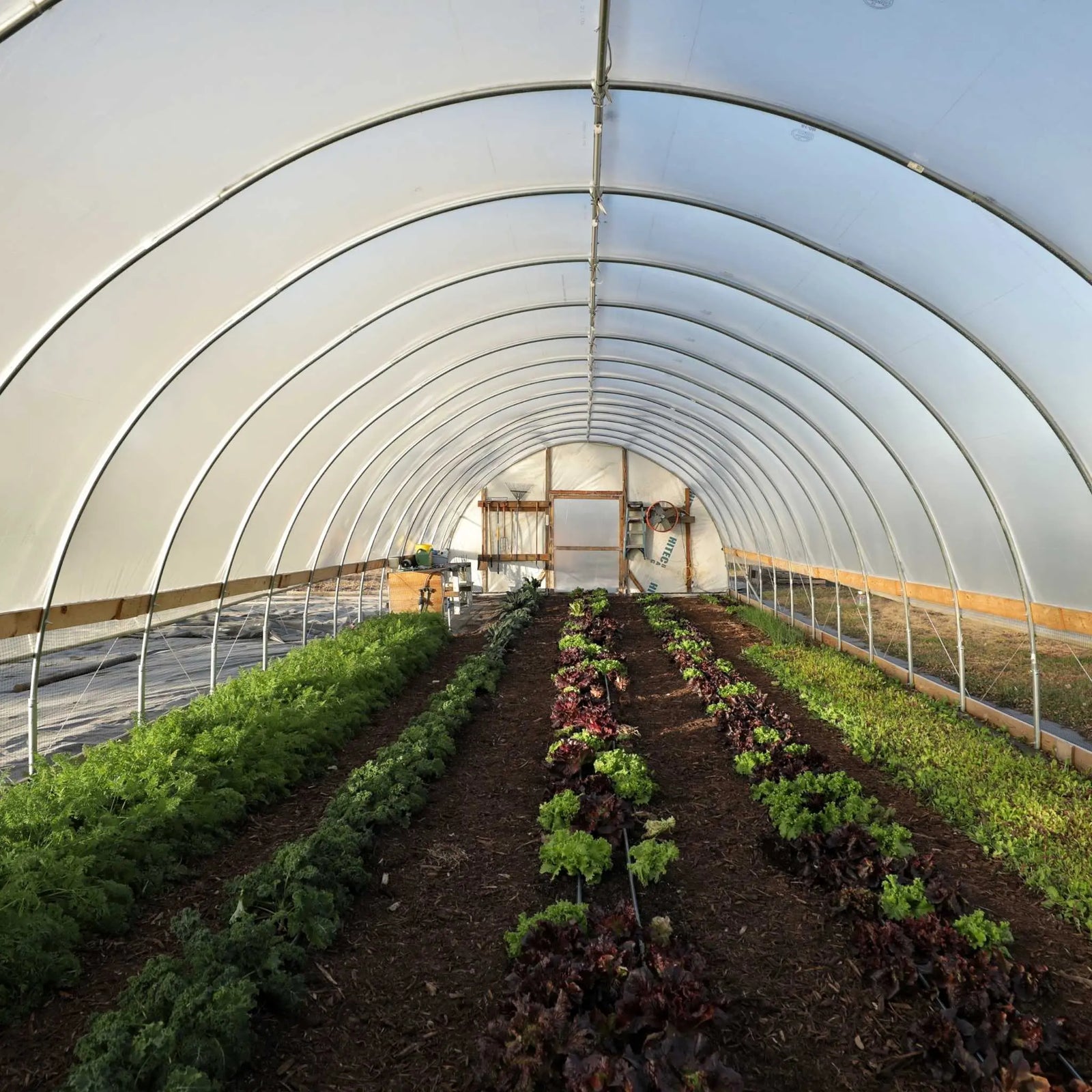
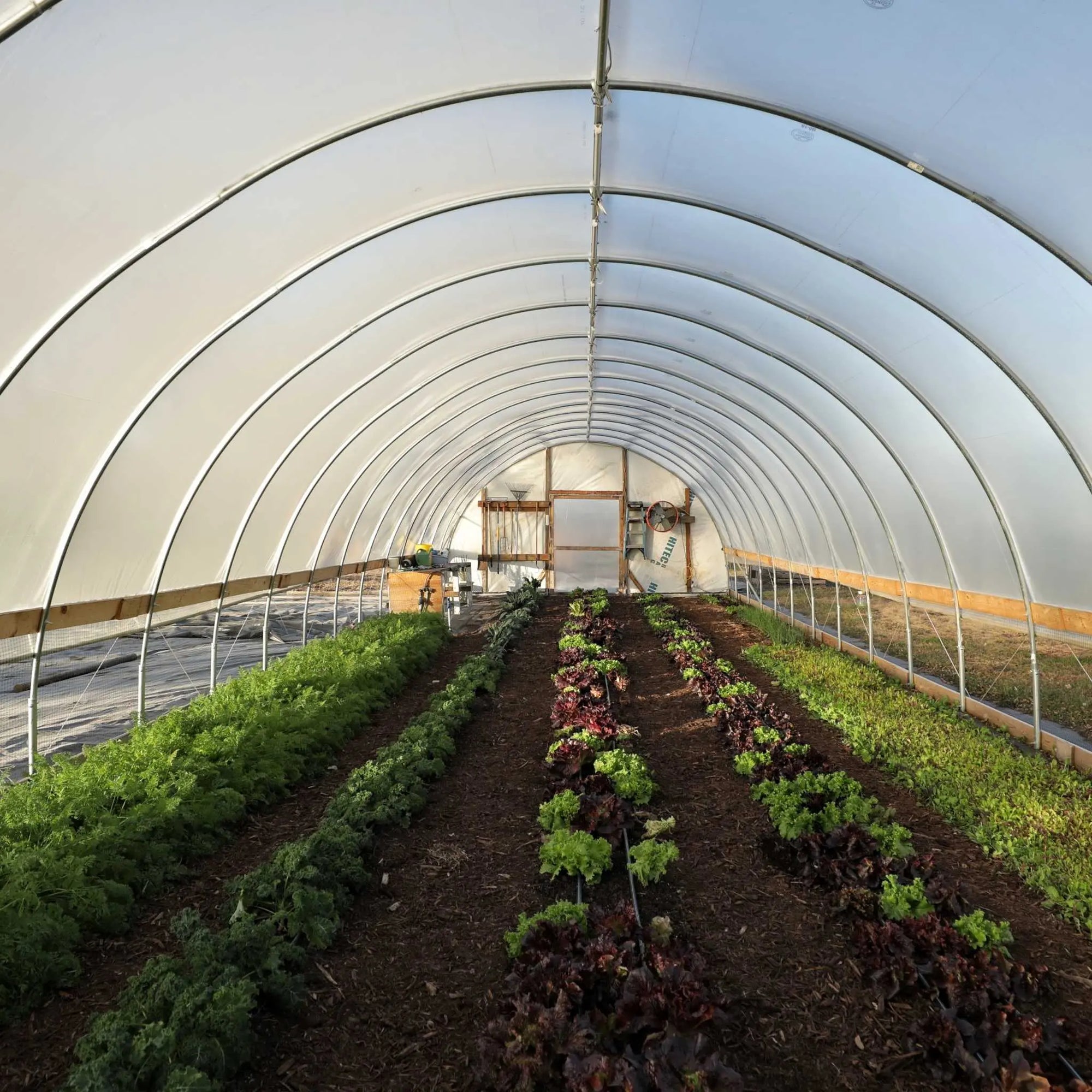
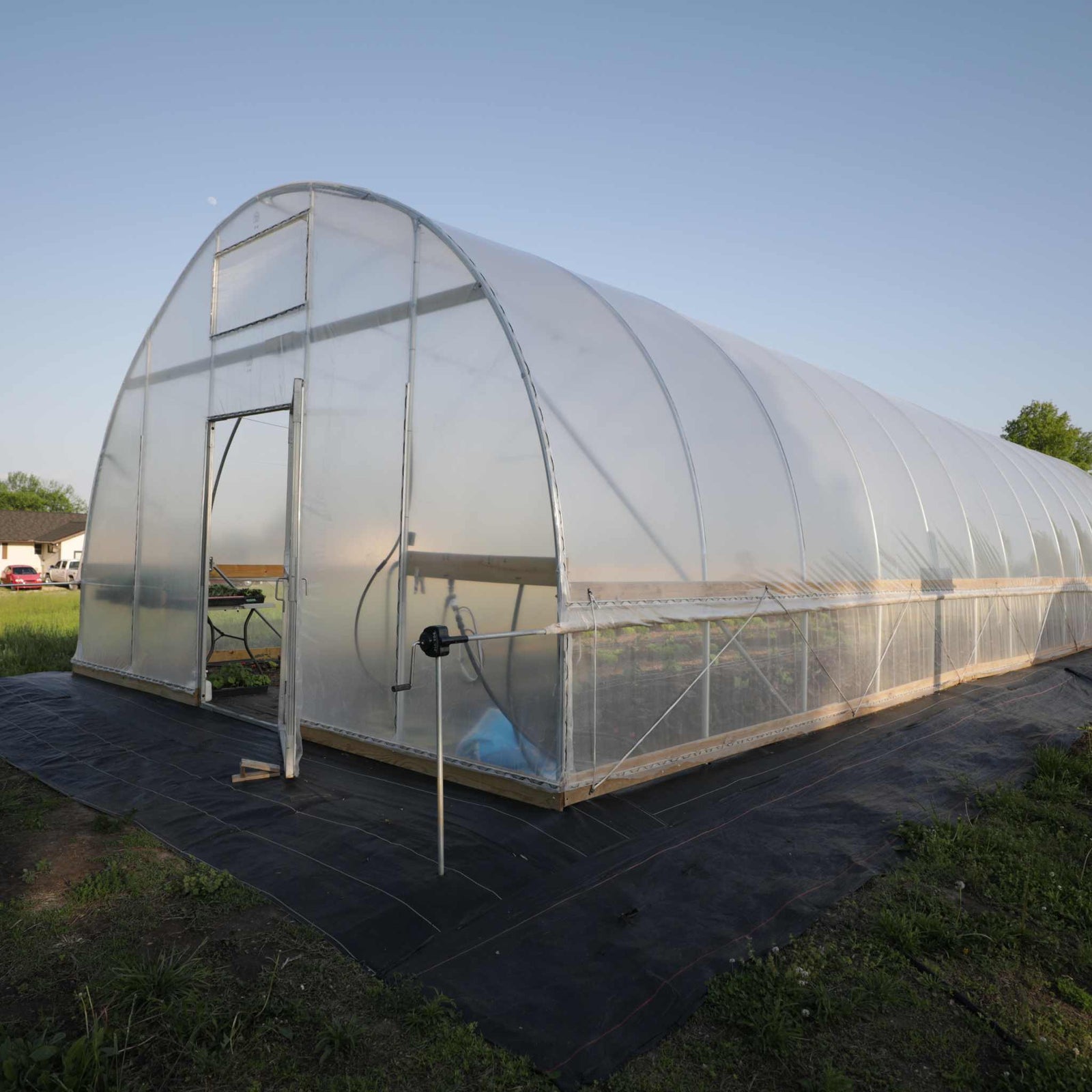
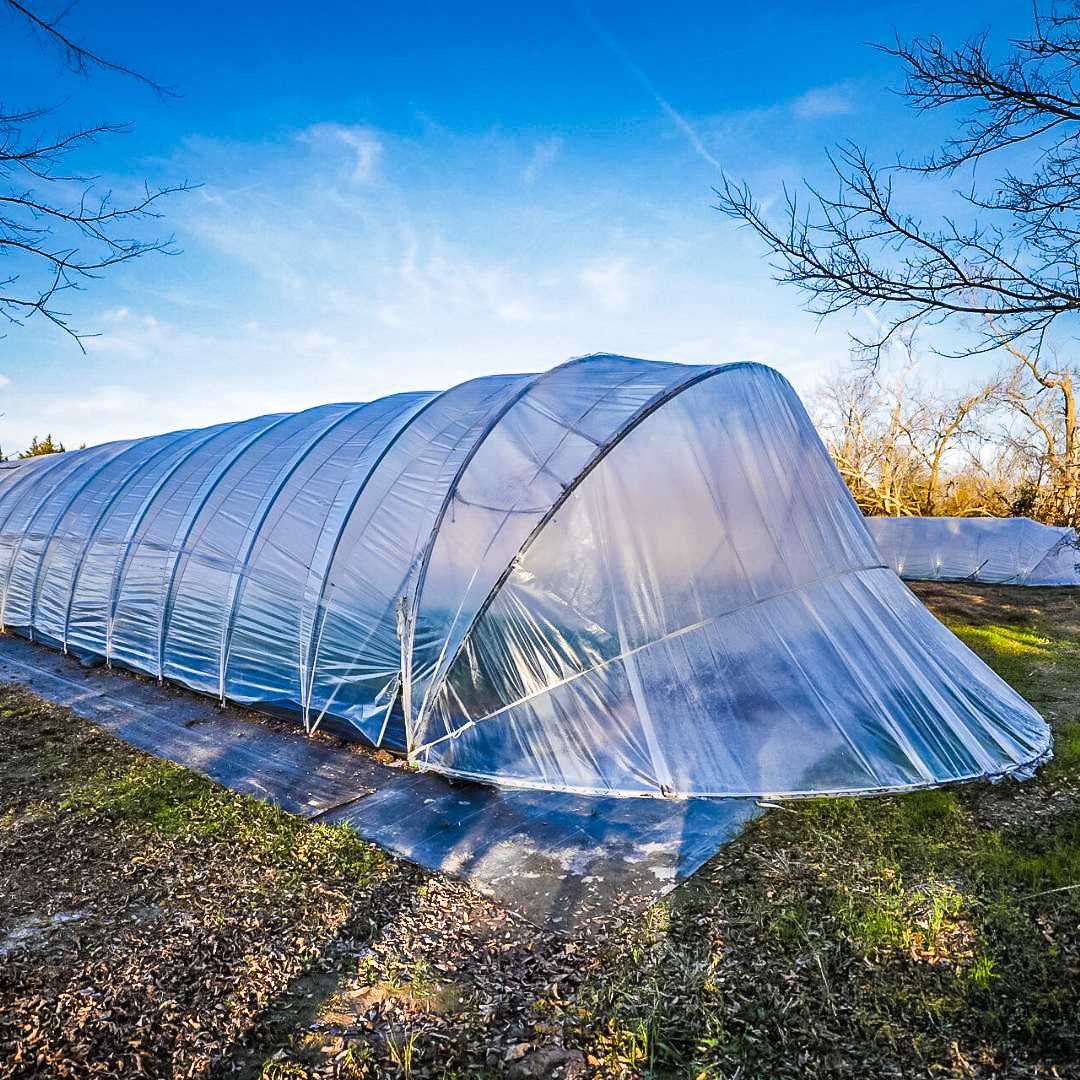
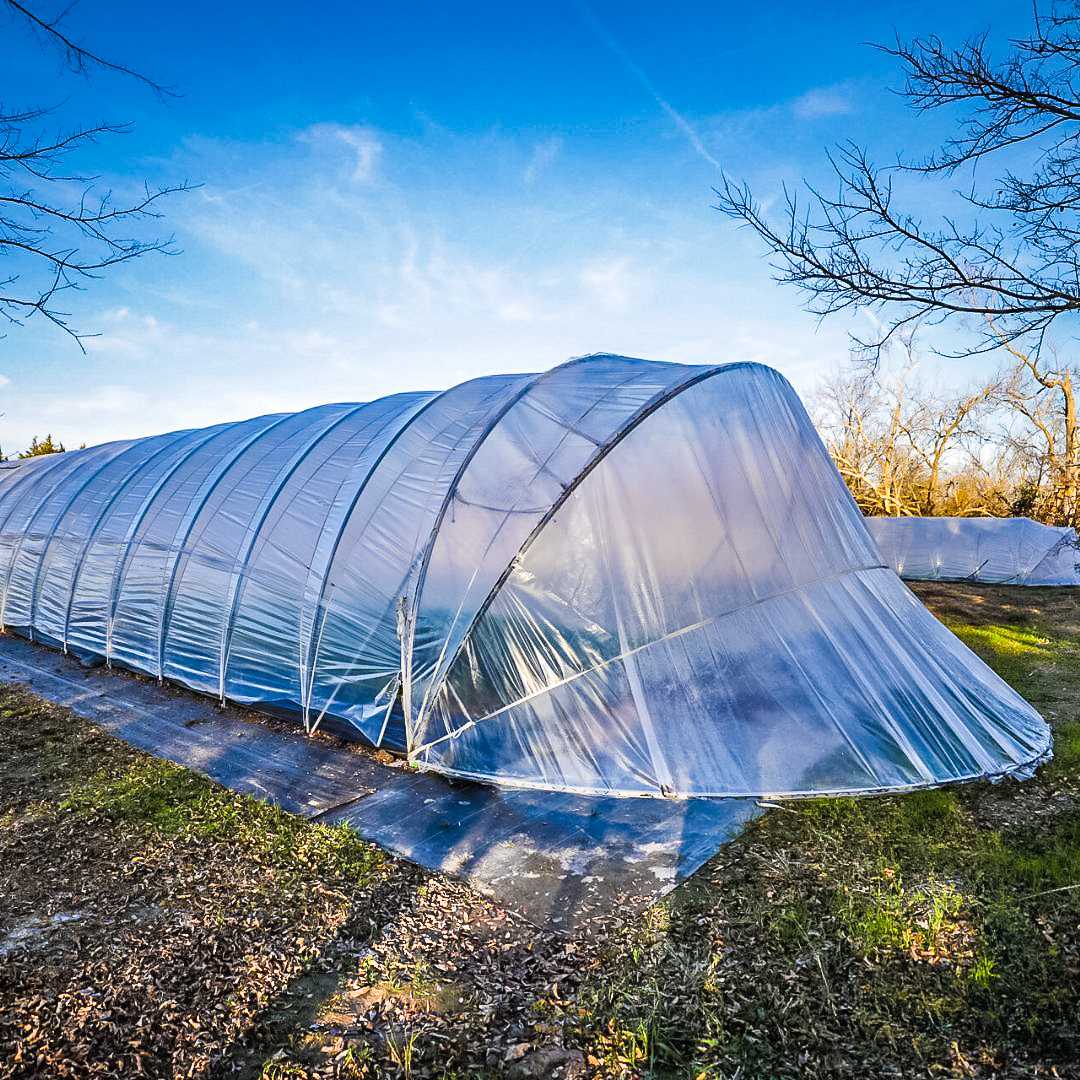
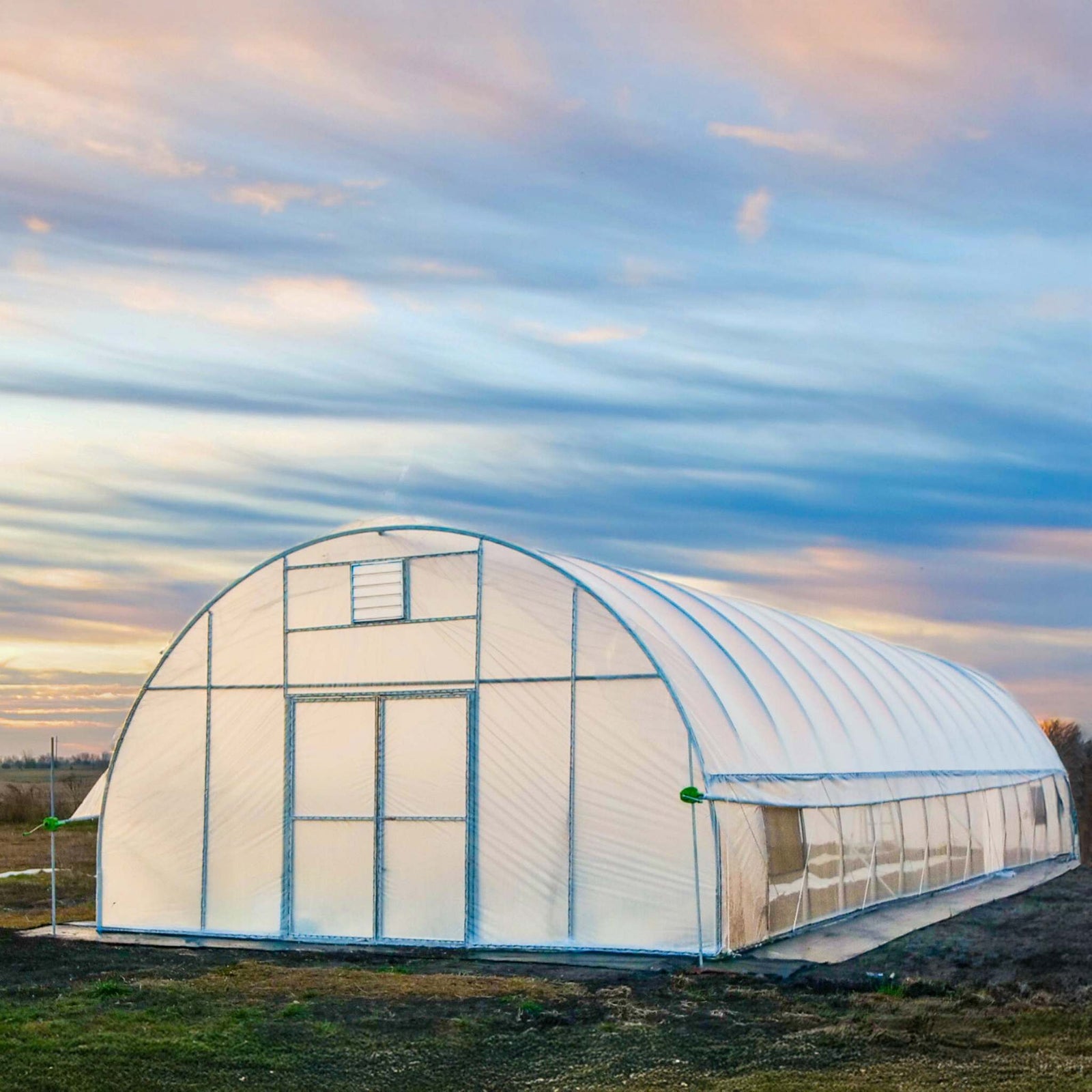
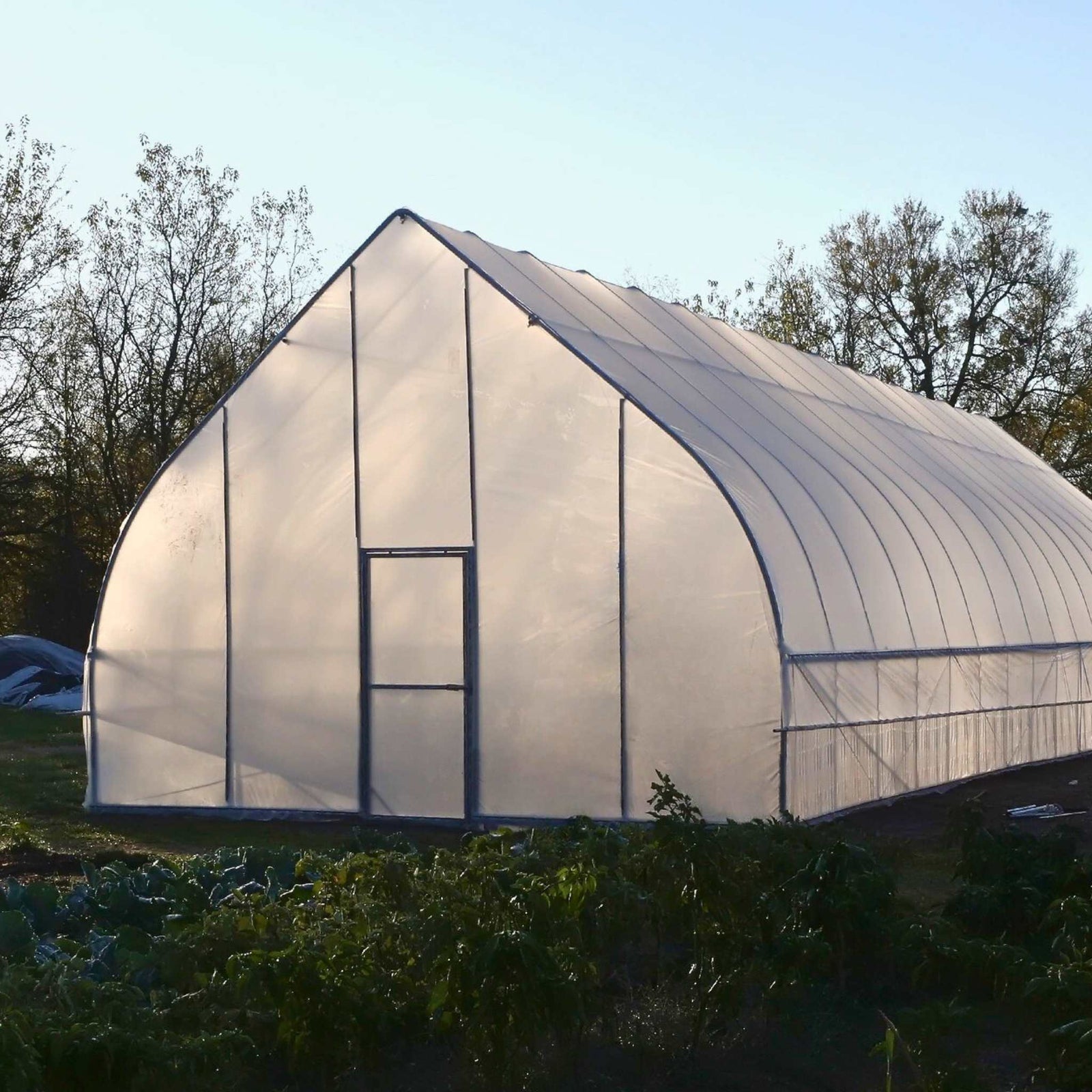
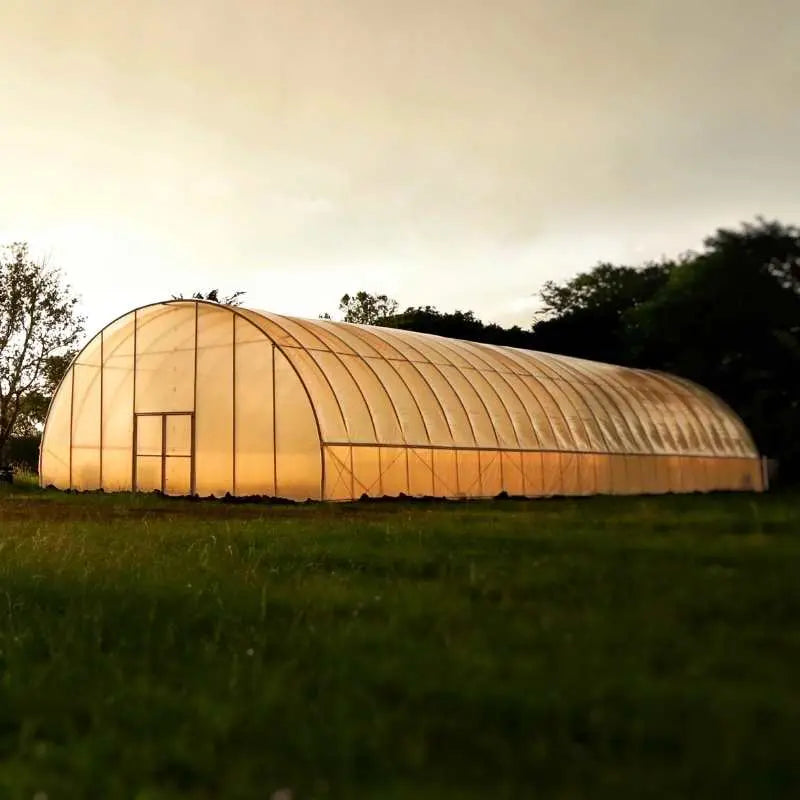
Hoop houses and low tunnels are useful infrasture for season extension.
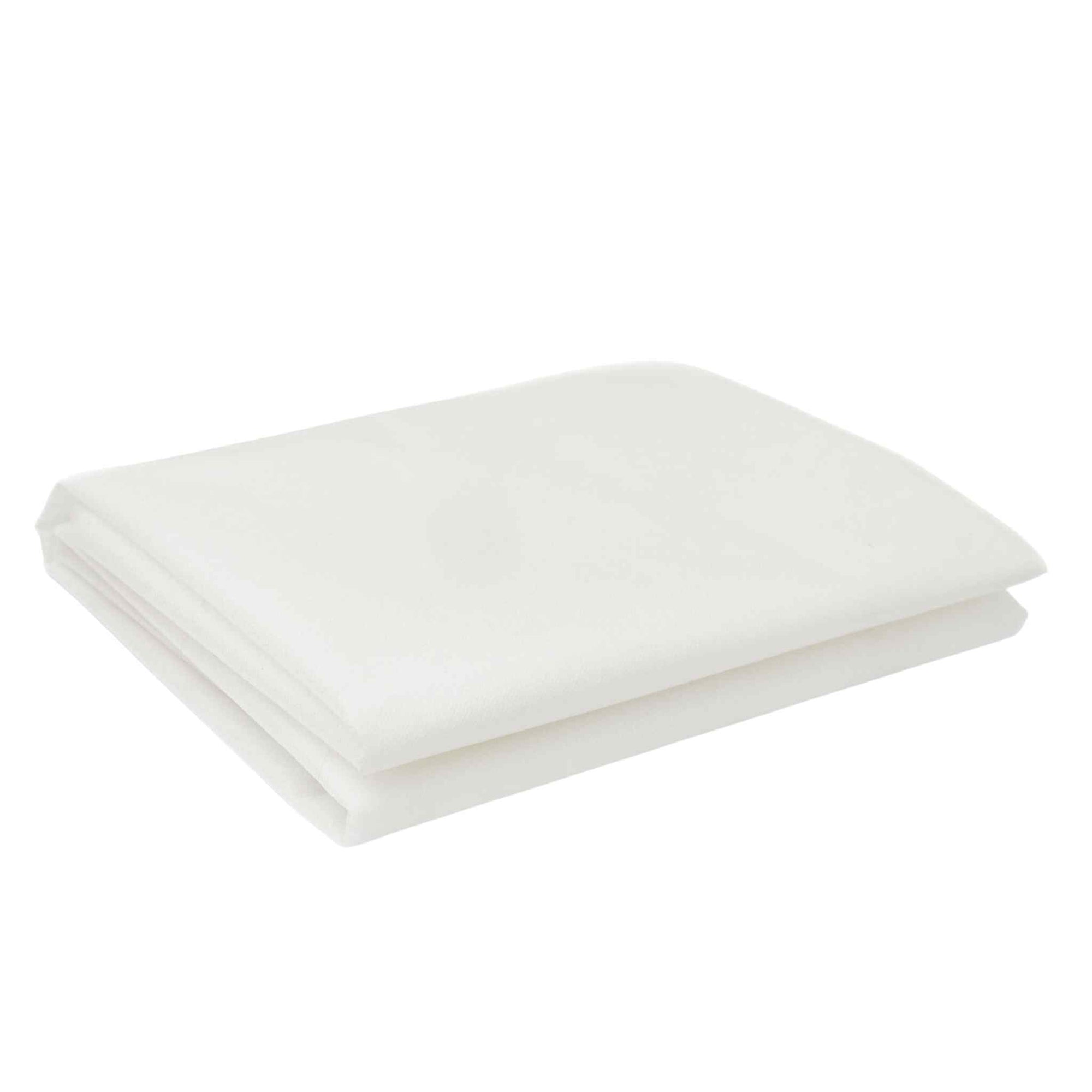
If you're covering a low tunnel, you have two options. Clear plastic traps more heat for frost protection, while frost blankets breathe better and won't cook your greens on a sunny afternoon. Many growers keep both on hand and swap based on the forecast.
The plastic you choose does the heavy lifting in fall. For hoop houses and DIY tunnels, 6 mil greenhouse film is the standard: thick enough to hold heat overnight and survive wind, clear enough to keep light levels up as days shorten.
Learn more about choosing the right greenhouse plastic. You can also browse our high tunnel accessories to customize your growing space.
Managing Temperatures in Fall
If you experience unexpected late-summer heatwaves, adding shade cloth can help lower soil temperatures and prevent cool-weather greens from bolting.
To manage temperature fluctuations, keep a thermometer in your soil to track temperatures. On warm days, lift the sides of your plastic to prevent overheating.
Learn more about greenhouse temperature management in this helpful article.
Container Growing
If you need mobility to reposition plants indoors, fabric grow bags are a versatile choice. Note that our grow bags in sizes up to 25 gallons feature handles for easy transport.
Fall Seed Starting Cell Tray Chart with Sizes and Recommended Crops
| Tray Type | Cells per Tray | Cell Size | Recommended Fall Plants |
|---|---|---|---|
| 4 Cell Seed Starting Tray | 4 | 2⅜" top tapering to 1¼" | Fall peas, fava beans, and deep-rooted crops |
| 6 Cell Seed Starting Tray | 6 | 1½" x 1½" x 2⅛" | Broccoli, cauliflower, and cabbage transplants |
| 32 Cell Tray | 32 | 2" x 2" | Holding 2.5” pots for up-potting |
| 50 Cell Tray | 50 | 1¾" x 1¾" | Lettuce, kale, broccoli, and cabbage |
| 72 Cell Plug Tray | 72 | 1½" x 2¼" | Spinach, lettuce, beets, and Asian greens |
| 72 Cell Air Prune Tray | 72 | 1.37" top, 2.29" tall | Same crops with improved root pruning |
| 128 Cell Tray | 128 | 1" x 2¼" | Cilantro, parsley, leeks, scallions, and pansies |
| 200 Cell Tray | 200 | ¾" x 2¼" | Lettuce, spinach, and small-seeded fall flowers |
Frequently Asked Questions
How do I calculate fall seeding dates?
Always count backward from your local first frost date and add two weeks to determine your seeding dates. If your crops need 6 weeks to establish before the first frost, direct seed no later than 8 weeks before the frost. Start transplants indoors at least 8 weeks prior, then transplant them out 4-6 weeks before the expected frost.
What supplies do I need to extend my growing season into fall?
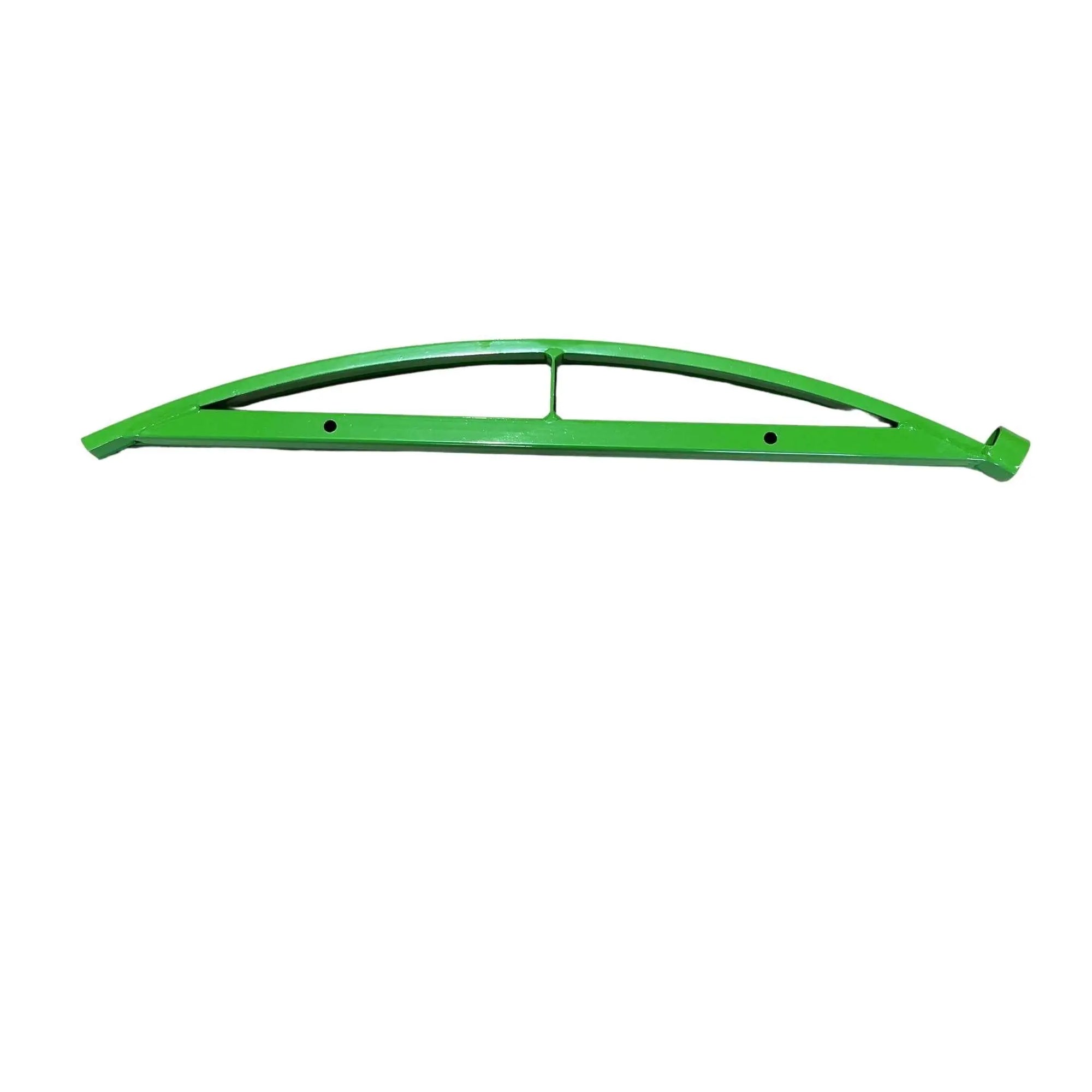
To keep growing past the first frost, you will need structure and coverage. A hoop bender allows you to bend EMT into low tunnels. Cover these frames with 6 mil clear greenhouse plastic or frost blanket to trap heat, lift the sides to release heat as the season dictates.
How do I manage high tunnel temperatures in fall?
Place a thermometer in the soil inside your tunnel to monitor conditions. On warm days, roll up the sides of your plastic to prevent overheating, then lower them before sunset to trap the day's heat. Add ventilation infrastructure as needed.
When should I use shade cloth in a fall greenhouse?
Use shade cloth during sunny, unseasonably warm fall days to lower the temperature and control sunlight. Applying a 30% black monofilament or 50% aluminum shade cloth maintains airflow and prevents cool-weather greens from bolting in sudden heat.