
Best Garden Tools for Beginners: Must-Have List
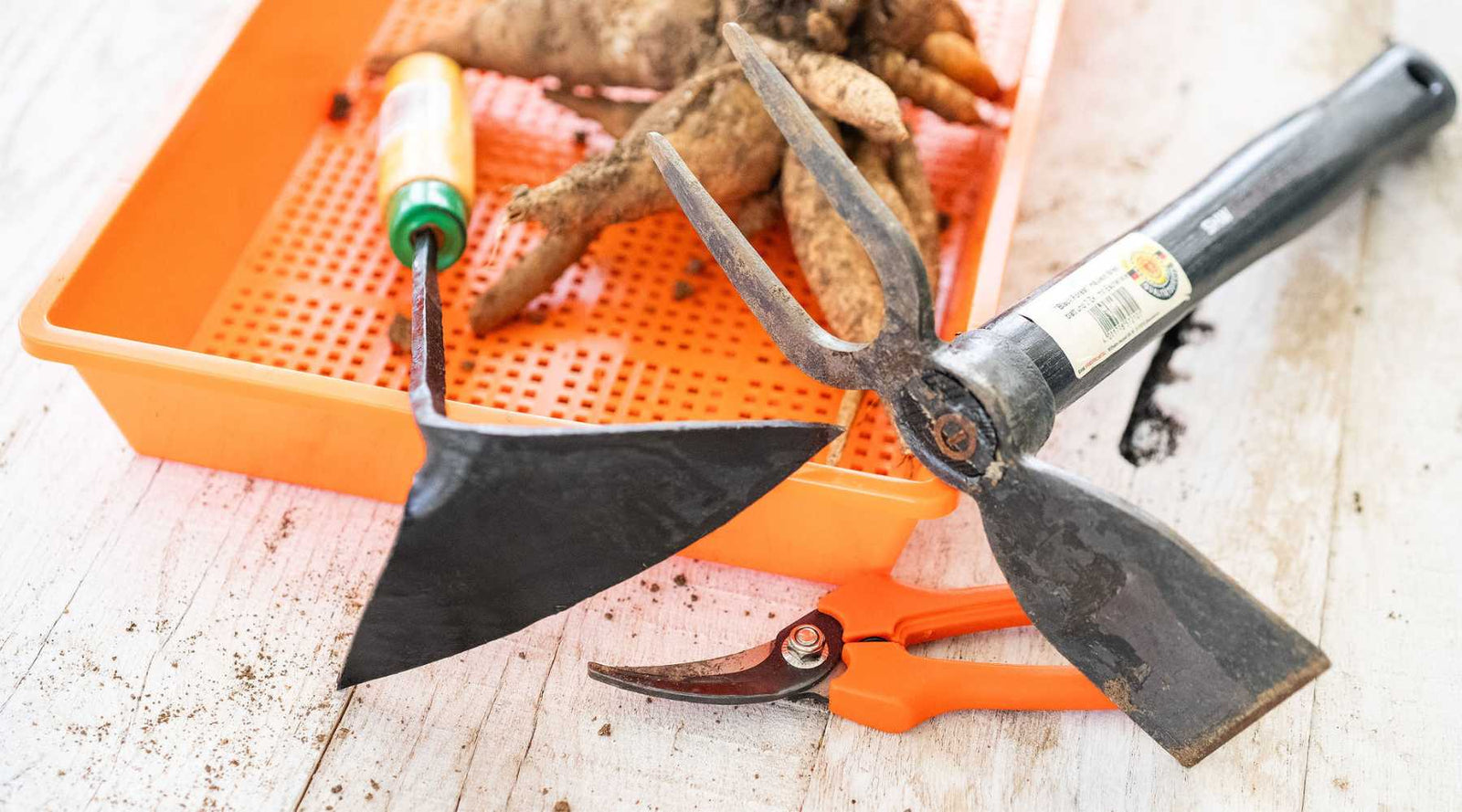

The Only Tools You Really Need for Your First Garden
There’s always a lot of hype surrounding new, cool garden tools, especially when influencers use them to grab your attention. The truth is, you probably don’t need them! It can be tempting to hit “add to cart”, but we’re here to tell you about the core tools we constantly reach for to complete garden tasks.
This article focuses on the basics and explains why that’s all you really need. Forget the shiny, flashy tools you see on social media. They might be fun and exciting to try, but many of them aren’t built to last and are only suitable for a niche group of growers.
Let’s discuss the core group of tools that will allow you to do everything necessary in your garden. They’re not overly pricey and are built to last. We’ll help you decide which ones matter, how to pick them, and how to get the most bang for your buck. Build your arsenal with these essential tools, and you’re on your way to a fantastic garden experience.
The Essential Tool Kit: What Every Beginner Needs
Before you buy every tool in the catalog, start with a solid foundation. These core hand tools cover nearly all the basic garden tasks you’ll face in your first year.
5 Hand Tools You’ll Use Again and Again
-
A trowel should be one of your first tool purchases. Use it when transplanting, moving plants, breaking up strong roots, or digging up deep-rooted weeds. An ergonomic design will alleviate wrist and hand pain.
-
Use a hand fork or cultivator to break up the soil in the spring, reduce small weeds, and pull strong roots from beneath the soil. Select one with metal tines and a comfortable handle.
-
Every gardener has their favorite pair of hand pruners or garden scissors. Use them to harvest, deadhead, prune, and do general cleanup. Check out these comfy bypass pruners for heavy-duty pruning. Bootstrap tip: Snag a holster so you’re never caught without them.
-
Weeders, like this Korean EZ-digger, uproot, cut, and scrape out the roots of unwanted plants, grass, or weeds. Their specialized claw-like head helps control invasive spreaders. Dandelions don’t stand a chance! Select an ergonomic design to help with hand fatigue.
-
Harvest knives are for harvesting greens, heads of lettuce, and herbs. Hori Hori knives are popularly used for their sharp steel blades and multi-purpose features.
If you are new to gardening, you can often save money with a quality combo pack.

Bigger Tools for Digging and Shaping
Once your garden grows beyond a few raised beds, having a couple of sturdy digging tools will make soil prep and shaping beds much faster and easier.
-
Shovels and spades are often used interchangeably, but they serve different purposes. Having both isn’t necessary, unless you’re doing a lot of digging that requires a straight line.
-
A shovel has a longer handle and its blade curves up on the sides, making it ideal for moving soil and compost. Shovels are very versatile.
-
A spade is more stout, featuring a shorter handle and a straight, sharp blade. It’s designed for digging, cutting, and edging.
-
Garden or digging forks help turn compost piles, loosen and aerate the soil, and when applying amendments. Use it to dig root vegetables like carrots, turnips, and beets.
-
Grab a swivel, stirrup, or wire hoe when you need to do a quick weed, cultivate between transplants, or loosen soil after a hard rain. A wire hoe with interchangeable heads is great for varying plant spacing. Use a traditional hoe to dig potato trenches and remove large weeds.

Watering Tools That Get the Job Done
Choose hoses that won’t kink, store easily, and are the appropriate length. Use quick connects to extend your reach fast.
Steer clear of all-plastic watering wands or nozzles that break easily with frequent use. Try out various handle lengths and get one that helps you reach all your plants and saves your back. Keep extra gaskets and silicone tape on hand to extend the life of your device.
Invest in overhead sprinklers that water evenly, have good pressure, and a broad reach. Consider installing an irrigation system if it’s suitable for your growing space.

Support Tools & Materials
-
Gloves: Don’t be tempted by the 3-packs of thin, uncomfortable work gloves. Instead, do some research for a durable and comfortable pair that will last you for many seasons with proper care. Wash them occasionally to extend their life.
-
Stakes, ties, and plant supports: Online influencers will make you believe you need expensive gadgets to support your plants and trees. High-quality stakes, such as bamboo or T-posts, cages, and reusable ties, do the trick and will last for many years. Trellis netting can be used horizontally or vertically. Use jute, twine, or zip ties to secure everything together.
-
On-the-cheap storage: Need storage? There's no need for an expensive carrying case or tool organizer. Head to your local hardware store and spend a few bucks on a sturdy bucket. Grab two and use one to transport tools and the other to move weeds to your compost pile!
Smart Buying — How to Choose Tools That Last
Not all tools are created equal. A smart buying strategy will save you money, time, and frustration in the long run.
Quality Over Quantity
Select tools with steel or aluminum construction, a sturdy weight, and rubber or wooden handles. Look for ergonomic designs to protect your body and last longer.
Don’t fall for the bargain bins of cheap gloves and tools. Not only are they inexpensive, but they’re also poorly made. Invest in well-made items instead of disposables. Gardening is rough on gear, so having items that are made to last will save you frustration and cash.
Multipurpose Wins Every Time
These multipurpose tools get you the most bang for your buck:
-
Garden forks aerate soil and dig root veggies.
-
Buckets help transport harvested crops, tools, compost, and weeds.
-
Shovels move around soil and compost, dig large holes, and remove deep-rooted weeds from your plot.
-
Trellis netting supports cucumbers, sugar snap peas, and flowers.
-
Use garden shears to harvest herbs, prune tomato suckers, and trim young trees.

Storage Solutions for Garden Tools in Small Spaces
Use vertical space to store your tools. Add hooks and tool racks to small garden sheds or a greenhouse wall. Your tools are easily accessible and safe from environmental factors.
3 easy storage hacks:
-
Keep a bucket nearby to transport tools each time you’re heading out to the garden.
-
Attach an old mailbox to a wooden or metal raised bed. Store a pair of gloves, a trowel, zip ties, and any other frequently used items. The mailbox keeps your items dry, accessible, and rust-free.
-
Hang a cheap door shoe organizer on an inside wall and store random gadgets, tools, and garden knick-knacks. Think trellis string, hand tools, low tunnel clamps, and irrigation pieces.
Bootstrap Tool Maintenance
Performing some quick, general maintenance after each use will help keep your tools in top shape. Just as our knees and shoulders age, your tools should be cleaned and oiled so they can continue to function for many years.
-
After using pruners, harvesting knives, and snips, clear them of debris with a dry brush.
-
Dry them off with a clean towel.
-
Spray them with a disinfectant and allow them to sit for several minutes.
-
Rinse or wipe clean.
-
Wipe dry once again.
-
Optionally, apply oil to the spring mechanism.
Five minutes tops! Do a more in-depth cleaning and oiling at the end of the season.

Avoiding Common Beginner Mistakes (Tips from Pros)
When you’re new to gardening, it’s easy to overbuy. These quick tips will help you stay focused, save money, and avoid common pitfalls.
Don’t Buy Everything the Catalog Suggests
Stick to the essentials we’ve discussed here, and add to your toolkit as needed. Remember that using tools creatively saves you time, space, and money. Sometimes, less really is more. Here are a few tools we think you should skip in year one:
-
Flame weeder
-
Mechanical seeder
-
BCS tiller (opt instead for a broadfork if you’re on a small scale)
-
Moisture meters and pH testers
-
Landscape fabric
Set Yourself Up for Success (and Fun)
Learn how to use your tools properly by starting with small projects. Use your hand trowels to transplant lettuce and chard. Remove small weeds with your wire weeder. Get a feel for how each one works, when to use it, and when a different tool is more suitable for the job.
Over time, grabbing the proper tool will be second nature. Using the right tool for the job will prevent strain, blisters, and injury.
Community Wisdom: Learn from Real Growers
Every grower we know has a favorite, a ride-or-die, a can’t-live-without tool. Which one will become your favorite depends on what you have growing, your soil type, and the size of your garden.
-
Ashley Vail says her durable seed-starting trays help her start high-quality flower seedlings.
-
Jean-Martin Fortier loves the Jang JP-5 push seeder, broadfork, and wheel hoe as a successful no-till market gardener. He goes over his top 30 tools in this video.
-
Calvin and Crystalyn of Pepper Geeks swear by heat mats, pruning shears, and grow bags.
In Market Gardening 101 Tips, we answer beginner questions, demo popular equipment, and provide expert advice. We encourage new gardeners to join local gardening groups and contact their local extension office for individualized, regional assistance.

When to Add Specialty Tools (If Ever)
Start the season with what you have and learn as you go. Note the things that work and those that don’t.
Read reviews, gather feedback from other growers, and investigate satisfaction guarantees before adding tools. The last thing you want is an expensive tool that doesn’t suit your needs.
Building Healthy Soil with Simple Tools
Healthy soil is the building block of any healthy garden. Without it, fancy tools don’t mean a thing! Focus on the basics of growing before investing in niche tools so you’re not disappointed with the results.
Test your soil annually to adjust nutrient levels appropriately. Read the Beginner's Guide to Soil Amendments for quick, easy fixes and long-term solutions to poor-quality soil.

Seed Starting Like a Pro
Creating a stellar seed-starting area is crucial to starting a killer garden. Here are the top tools we highly recommend investing in for an indoor setup. This is gear you actually need!
-
Portable trays made of durable material
-
Heat mats for tomatoes, peppers, eggplant, and cucumbers
-
Humidity domes to help hold in humidity and heat
-
Water sprayer for tiny seedlings and to avoid seed displacement
We’ve compiled many of these items and more into a comprehensive seed-starting equipment collection for your convenience.
Where to Learn More & Keep Growing
Check out Bootstrap Farmer Product Guides. We create simple guides for all gardening levels to help you create the garden of your dreams. No frills, no fancy equipment, just expert advice and tried-and-true solutions to real issues.
Diligence and patience grow better tomatoes than fancy tools, so don’t feel pressured into buying all the fancy tools you see online. Get the gear that fits your needs and budget. Let the rest come as the seasons progress
Frequently Asked Questions (FAQs)
Beginners should invest in the following few tools. They're inexpensive but crucial for starting a garden.
- Shovel
- Leaf rake
- Swivel hoe
- Weeder, either handheld or stand-up
- Hand trowel
Avoid spending money on a seeder, flame weeder, tiller, and fancy moisture sensors. If certain tasks are difficult without them, take note and consider adding them to your lineup in future seasons.
Remove debris and disinfect tools after use. Oil them occasionally and keep blades sharp. Store them out of the sun and away from water.
Yes, you can garden successfully without power tools. Incorporate them if your body is overly strained or tasks take too long with hand tools.
Purchasing individual tools allows you to select the ones that work best for your body and garden set-up. While sets seem like a good deal, some items may go unused.
If a tool functions as promised without damage and you don't feel strained when using it, it's well-made. High-quality tools should last for many years with proper care.
Hand tools are most effective when used with raised beds versus long-handled tools. Customizable irrigation for raised beds will help you keep your crops watered.
Vertical storage using tool racks or hooks is the best way to keep your garden tools organized.
Clean and oil your tools at least once a year to keep them in optimal condition. Give them a quick brush and oil after each use to keep them in great working shape all season.
You get what you pay for, so yes, typically the more you pay, the higher the quality. However, avoid social media traps and think before making a purchase. Trendy but unnecessary tools may have a higher price tag without offering benefits.
A shovel is designed to move things around, whereas a sharp spade is meant to dig and cut into soil.
If you perform the same task repeatedly each season, invest in a specialty tool designed specifically for that purpose. For instance:
- Invest in a mechanical seeder if you direct sow most of your crops to avoid bending and back pain.
- A long-handled weeder will help make weeding a breeze.
- Get a wheel hoe to keep weeds down in pathways.
- A water timer and irrigation system will save time watering.
Many professional growers use the following 10 tools every day:
- Wheel hoe
- Rake
- Tilther
- Pinpoint seeder
- Broadfork
- Irrigation system
- Silage tarp
- High-quality seeding mix
- Greenhouse
- Seeding trays
Household tools aren't designed to withstand the same level of use as garden tools. Stick with tools designed for their garden job for the best results.