
Start Farming: A Beginner's Guide to Launching a Farm

How to Transition from Backyard Gardening to Small-Scale Farming
If you want to help members of your community, supplement the income from your day job, or simply love growing food, you can. The desire to expand backyard gardens into small-scale farms is a growing trend.
This article will help you define your future farming vision, find local funding sources, and give you ways to scale up practically. You already have the passion for growing; the rest will come with time.

Assessing Your Goals and Resources
What is driving you to start a farm? Maybe it’s growing nutritious food or self-reliance in times of uncertainty. Pinpoint the why, then evaluate your growth plans.
Define Your Farming Vision
Define your vision and stick to it when making decisions. You want to achieve long-term success without burnout.
Have a well-thought-out plan before “adding to cart” when perusing seed catalogs. Each crop and farm type has different requirements. A few examples:
-
Before starting a flower farm, make sure there is demand in your community. You can learn about flower farming efficiencies here.
-
To specialize in tomatoes, you’ll need an indoor growing space with plenty of height.
-
Microgreens will require a lot of flat space and plenty of access to light.

Evaluate Your Space
Find areas of your property that get lots of sunlight, have good soil quality for growing, and have accessible water. Consider these areas for a future high tunnel or greenhouse. Get creative with your space. Use unused ground areas for raised beds or low tunnel systems.
Understand Legal and Zoning Requirements
Add something about checking with your USDA extension office. Required certifications differ by state, but here are some things you may need to obtain:
-
Business license or permit
-
A certified producer certificate. Get an annual scale inspection and certification for legal sales if using a scale to weigh produce.
-
An organic market may ask you to provide proof of your organic certification.
-
Your state may require a nursery license if you sell plant starts and earn a certain amount of revenue.
-
Liability insurance to protect your business.
-
A cottage food license may be required for value-added products such as jams, pickles, and sauces made in a residential kitchen.
Check zoning laws in your town or city. Get proper building permits for infrastructure.
Budgeting and Financial Planning
Build a business plan to keep all your financial, marketing, and business goals in one document. Realistic budgeting will help you stay on track and not overspend. Set an initial spending budget. Have a separate budget you can spend if you secure grant funding.
If you can’t afford all the supplies and tools you want, consider contacting local farmers. They might be willing to sell used items at a discount.
Plan to reinvest a percentage of your income back into the business each year. This could mean buying more seed trays, frost blankets, or insect netting for your high tunnel.
Expenses to Consider:
-
Utilities
-
Seeds
-
Fertilizer
-
Soil
-
Rent/property taxes
-
Insurance
-
Loan payments
-
Depreciating equipment or infrastructure
-
Tools and supplies
-
Marketing
Need help with financial planning? Local planners may offer a free consultation or have grant funding to provide new farmers with a few hours of assistance. Your Natural Resources Conservation Services agent can point you in the right direction.
Building Your Small Farm Infrastructure
Infrastructure can be added slowly as your budget allows. Save up for well-made, long-lasting products from reputable companies.

Invest in Durable Equipment
Invest in high-quality tools and supplies that will last longer, like:
-
Durable pots instead of flimsy plastic that ends up in a landfill after one or two seasons
-
Customizable irrigation systems
-
Shade cloth whose ends won’t fray when you trim it
Explore affordable backyard gardening tools at Bootstrap Farmer. Buying long-lasting items is much more cost-effective in the long term than replacing cheap items yearly. The same goes for larger equipment. If you’re unable to buy tractors, tillers, or other big-ticket items:
-
Look for rental programs in your area.
-
Many communities have tool libraries where you can borrow what you need.
-
Join online farm boards and look for used equipment to save some money.
-
Always check the bulletin board at your local farm supply and hardware stores
Talk to your local librarian, they can be a wealth of knowledge about the community and resources available.
Create a Planting and Harvesting Plan
Start the season with quick-maturing cold-hardy crops like radishes and bunching kale. Intercropping them maximizes your space. Then, switch to long-season annuals like tomatoes and eggplant. Build a sowing and harvesting schedule that aligns with market demands, days to maturity, and your space.

Set Up Small-Scale Irrigation Systems
Drip irrigation with drip tape or tubing is the most cost-effective and efficient way to water. It gets water to the roots, reduces water costs and evaporation, and helps maintain consistent plant growth.
Build or Expand Infrastructure
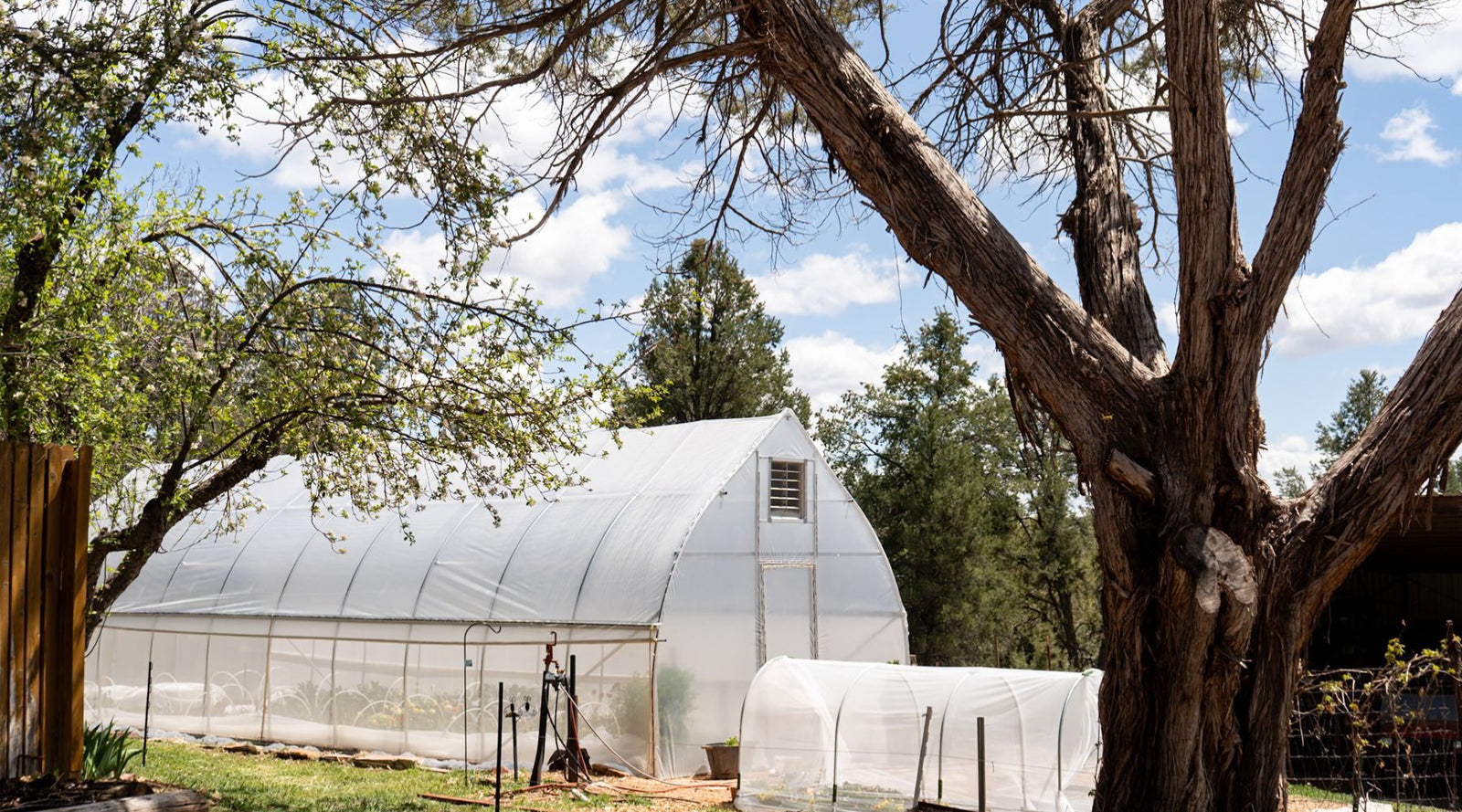
You can start a farming business without a high tunnel. However, having one:
-
Helps the soil warm earlier in the spring
-
Offers protection from bad weather and pests
-
Decreases pests and disease
-
Control over humidity and temperature
-
Extends the season
Consider a modular design that’s easily scalable and quick to expand. This will allow you to invest back into the business as income increases. To expand, add trellising and low tunnel systems. Use vertical space for tall, indeterminate crops. Use metal raised beds for perennial flowers and herbs.

Scaling Up Gradually
Doing too much at once can lead to burnout and disappointment. Follow these tips for scaling up gradually so you’re still going strong in five years.
Start Small, Then Expand
Assess the soil’s condition before sowing or transplanting anything. Test the soil annually and amend to ensure there are no deficiencies.
Pick a few crops to start with, and learn everything there is to know about them.
-
How do you start them from seed?
-
What are their growth habits?
-
How long do they take to germinate?
-
When should you transplant them?
-
What’s their preferred spacing?
-
What pests go after them?
Once you feel confident in your growing approach, maintenance, and harvesting schedule, expand. Slow and steady wins the race.
Perfect Your Growing Methods
Use organic methods as much as possible to decrease your reliance on chemical inputs. To increase your sustainability:
-
Use homemade compost
-
Create standard operating procedures (SOPs) to ensure consistent yields and performance
-
Incorporate high-value crops like microgreens and edible flowers
Learn more about Urban Farming and small-space strategies.
Track and Analyze Data
Track your expenses and costs to determine if a product is worth continuing. If you’re struggling to grow something well or it’s not selling at market, get rid of it. Replace it with more of a crop that performs well and is in high demand. Everything you grow should make money, and having accurate data is the only way to figure out if it does.
Use a spreadsheet or farm apps to manage your crops, income, and outputs. Record yields, diseases, pest issues, market trends, trellising, and other related information. Also, consider the time and labor it takes to maintain crops.

Marketing and Selling Your Produce
Don’t expect people to knock on your door to buy your products. Instead, create an online presence with a website, social media, and a blog or newsletter. Stay at the forefront of people’s minds.
Find Your Audience
Do local market research by reviewing CSA options and farmers’ markets in the area. If you fill a gap, you’ll quickly find customers, like a spring greens CSA or a summer cut flower subscription. Set prices comparably. Start your social media early while building your business. Take polls, ask questions, and provide education to boost engagement. Read How to Start Selling Market Garden Produce for more tips.
Create a Unique Selling Point
Different attracts attention. Call out being local, organically grown, regenerative, or zero-waste. Keep your logo design simple, and use eco-friendly packaging if your customers demand it. Do you donate your veggie scraps to a local animal farm? Tell people about it. Do you use local compost made with local animal by-products? Showcase your community impact.
Diversify Revenue Streams
If you don’t want your only revenue stream to be selling fresh produce or flowers, think creatively. Explore agrotourism, farm tours, pick-your-own flowers, or a point system vegetable subscription. Explore CSA Business Models for Growers.
Is there a huge demand for veggie delivery in your area? Consider direct-to-consumer sales to gain customers. Do you have a local food hub? Consider selling through them so you can focus on growing.

Common Challenges and Solutions
Small-scale farming is a rewarding way to spend time and earn extra income. Here are some unique challenges it comes with.
Managing Pests and Weeds
Be proactive about weeds by cultivating them shallowly between young seedlings. Large weeds will quickly become unmanageable and out of control. Always keep the soil covered to prevent weeds from germinating. If there isn’t time for a round of cover crops, cover the ground with a silage tarp.
Know what symptoms to look for to identify pests correctly. Scout early, use companion planting to deter them, and add insect netting as a barrier. Rotate crops to manage pests.
Dealing with Unpredictable Weather
Be prepared with frost blankets and shade cloth to protect your crops from varying weather patterns. Keep crops safe from damaging winds, hail, harsh sun, and frost to enhance your farm’s resiliency.
Mulching around plants and in pathways:
-
Helps the soil retain moisture
-
Regulates temperature
-
Prevents erosion
-
It may deter certain pests
Creating Work-Life Balance
Work-life balance is the most crucial aspect of a successful business. Without it, you may resent your business, no matter how well you do. Set boundaries, give yourself days off, and limit time working on farm matters at home. Focus on time management while at the farm so you don’t have to “take work with you” when you leave.
FAQs on Transitioning to Small-Scale Farming
How do I finance the transition to small-scale farming on a tight budget?
Many lenders offer microloans. The USDA Farm Service Agency offers long-term, low-interest loans for farmers. Grants may be available in your state to help you fund expansion. Contact your local cooperative extension or small business administration office for guidance.
What are the best beginner-friendly crops for small-scale farms?
Start with the easy stuff: tomatoes, lettuce, hardy greens, garlic, cucumbers, and beans. Add more produce, herbs, and cut flowers as you gain customers, land, and trust from your community.
How much space do I need to make a profit?
Many profitable farms grow on as little as a quarter or a third of an acre. You don’t need much land to start a successful business. Focus on keeping the soil healthy, managing pests and diseases, and growing crops that thrive in your region.
Do I need a greenhouse to get started?
You don’t need a greenhouse to start a farming business, but you do need somewhere safe and warm to start seeds. Grab a heat mat and a grow rack with lights. Start the season with hardy crops like spinach and mustard that tolerate cold temperatures. Install a low tunnel to protect crops from spring snow and low temperatures. The rest will fall into place as you expand your business and increase income.
Can I farm on rented land or community gardens?
You can grow anywhere land is available. Before you start, discuss your plans with the landowner and get approval. Ensure there are no restrictions in the area that prohibit farming.
What certifications do I need to sell my produce legally?
A permit or license required by your state will make your business legal. Get any necessary market certifications and liability insurance. Visit your state’s agriculture website for more info.
Are there any tax benefits for small-scale farmers?
Tax write-offs differ state-to-state. Contact a tax professional who can speak to the specifics in your region. You may be able to deduct interest paid for land loans and the cost of livestock, seeds, soil, and various equipment.
How do I build a loyal customer base for my produce?
It all starts with high-quality products and consistency. Your customer base will grow once you go to market with a great product and show up every week. Start building relationships with supporters. Be transparent about your growing practices, challenges, and successes.