
Potato Bug Control for Home Gardeners with Practical Tips
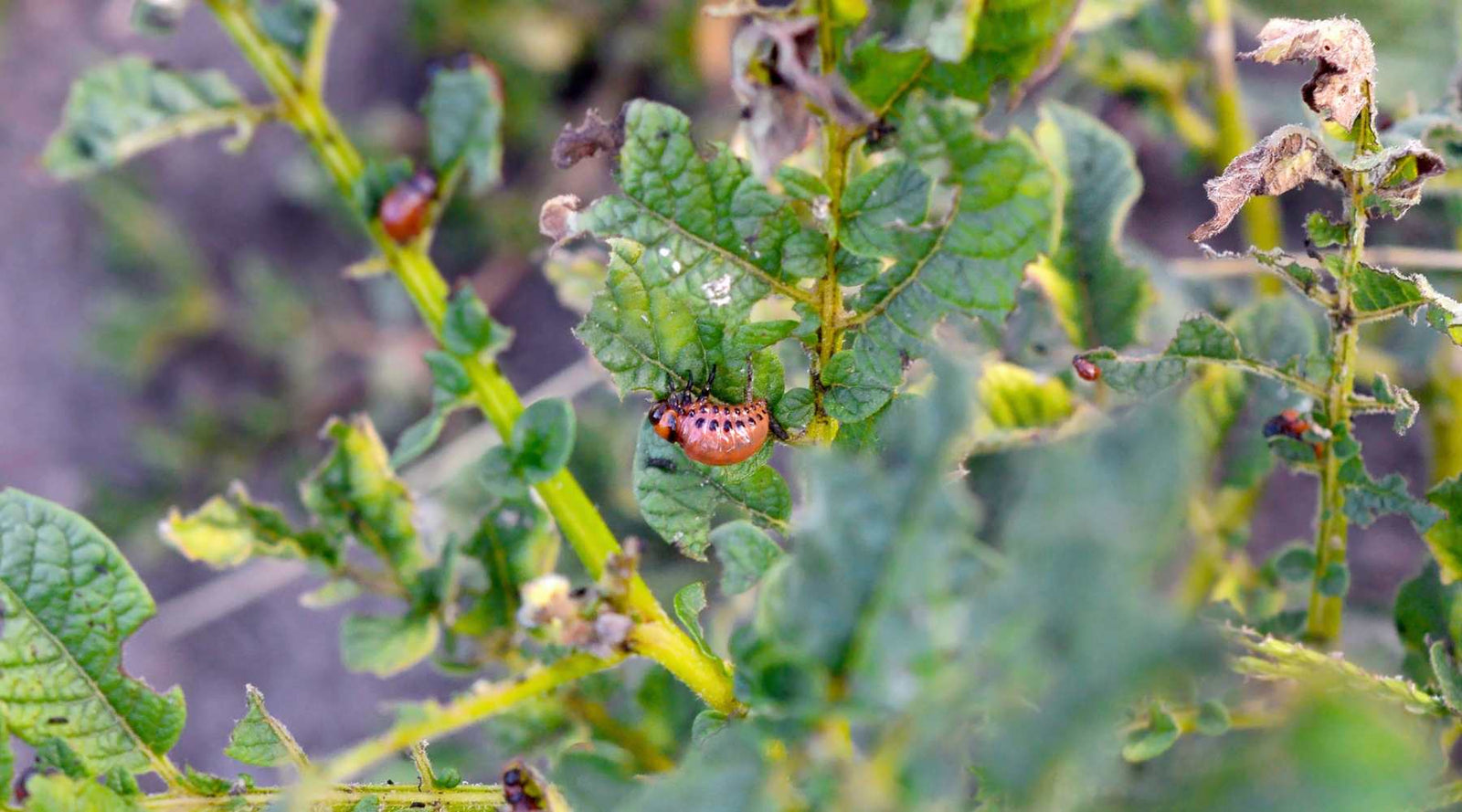

If you grow vegetables in North America, you’ve likely seen the Colorado potato beetle (CPB) in your garden. They feed on potatoes, eggplant, tomatoes, peppers, and other nightshades. Prevention and early detection are key to removing potato bugs without harmful chemicals.
This article focuses on the Colorado Potato Beetle and not the Jerusalem Cricket, which is also sometimes called a potato bug. Jerusalem crickets, while large and often surprising, are essentially harmless.
The most common ways to control potato bugs are scouting for eggs, hand-picking visible adults, or blocking them with covers. Your plants will stay healthy and productive if you’re consistent in your garden walks and follow the tips we discuss here. Stop losing plants to the Colorado potato beetle and reduce the risk of re-infestation. Use these prevention tips and treatment plans tested by real gardeners and farmers.
Potato Bug Basics—Know Your Enemy
You can’t fight off an enemy if you don’t know what they look like or what they eat, so let’s dive into potato beetle basics.
What is a Potato Bug?
Potato bugs are extremely destructive vegetable garden pests that are increasingly pesticide-resistant. Control them with biological, physical, and cultural controls. Once you can confidently identify Colorado potato beetle (CPB) eggs, larvae, and mature adults, they’re hard to miss. IDing them early is crucial because they mature fast and do a lot of damage quickly.
Eggs: Bright oval, orangish-yellow, laid in clusters of 10-30 on the underside of leaves. (Ladybug eggs are similar but a paler yellow color.)
Larvae: Newly hatched larvae are brick red with black heads and two rows of black spots along the outer edge of their bodies. They transition to a pinkish salmon color before maturing. (Ladybug larvae are black with orange spots.)
Adults: Adults are oval and beige, with 10 uniquely distinct black stripes on their backs. The area behind their heads is orange with sporadic black spotting.
It is important to know the difference between the CPB and beneficial insects at various life stages. Beneficial insects like ladybugs will control potato bug populations by feeding on their eggs.

What Do Potato Bugs Eat?
Potato bugs love nightshades, including tomatoes, eggplant, potatoes, and peppers. Look for chew marks, rough around the edges, through leaves, or leaves halfway or fully eaten.
Early damage will be close to the egg cluster. They stay close to each other and spread out as they mature. With experience scouting, you’ll spot the red larva clusters quickly and easily.
Hungry larvae will hatch out and feed on the leaves of young seedlings.
Larvae’s habits include:
- Chewing straight through leaves, leaving jagged holes
- Moving slowly
- Sticking together at first, but will venture out to other plant parts as they grow
- Can defoliate entire plants in a night if left unnoticed
Mature plants can tolerate some defoliation, but young ones will die from too much damage.

Potato Bug Life Cycle
These pests overwinter underground in fields or windbreaks. They emerge in the spring before mating. During adulthood, which lasts a few weeks, females can lay around 350 eggs. Bright orangish-yellow eggs are released in clusters of 10 to 30 on the underside of leaves. If you find these egg clusters during your scouting sessions, squash them. Alternatively, you can slide them into a jar or bucket of soapy water.
A serious concern with the CPB is that they emerge around the same time as their favorite foods, your cash crops. Delay their planting or cover plants with insect netting to protect them. Keep plants covered until they blossom and need pollination.
Start scouting in early to late spring, depending on your growing zone. Eggs hatch more quickly in warm climates. After a few weeks, they’ll burrow into the soil and emerge as the second generation of adults. Southern growers may see three or four rounds of potato bugs per season.

How to Get Rid of Potato Bugs
Organic Potato Bug Control—Prevention and Early Action
Focus on soil health by reducing tillage, adding amendments based on soil tests annually, and rotating crops. Then, scout plants early and hand-pick bugs.
Start Strong: Healthy Soil, Healthy Plants
Healthy soil grows healthy plants. Healthy plants are more resilient after environmental and pest damage.
Bootstrap tips to keep your gardens healthy:
-
Compost is the multi-purpose garden gift that keeps on giving. Reduces weeds, retains moisture, adds organic matter, and reduces pest pressure. Learn why organic matter is essential here.
-
Cover crops:
- Improve soil health
- Suppress weeds
- Help control pests and disease
- Prevent soil erosion
- Enhances the soil’s ability to retain water
- Provide habitat and food for beneficial insects
Our top five favorites are:
- Ryegrass
- Winter wheat
- Hairy vetch
- Crimson clover
- Field peas
Read all about them in Beginner-Friendly Winter Cover Crops: Top 5 Choices for Small Gardens.
- Crop rotation helps break disease cycles and can confuse pests. Remove their favorite foods and they’ll leave.
Physical Barriers and Row Covers
The most straightforward way to keep bugs out of your potatoes is to cover them after sowing or transplanting. If they’re inaccessible when the bugs emerge, they’ll fly off to find an easier meal.
A common mistake is adding “cover potatoes” to your to-do list instead of covering them the same day. Once CPB emerge from hibernation and lay their eggs, you’ve missed your chance. Add hoops and layer insect netting and row cover to change the coverage based on the weather easily.
Tips for large gardens:
- Plant natural deterrents like strong-scented marigolds, cilantro, and alliums
- Bootstrap tip: Keep alliums in separate rows or use them as a border to prevent competition.
- Mulch with straw or woodchips to attract natural predators
- Use wide insect net and row cover to protect more than one row at a time
- Add a low or high tunnel with sidewall insect netting
Timing and Crop Rotation
Rotating crops isn’t just a garden anecdote. It’s a scientifically proven prevention method. Moving the host crop away from the hibernation area decreases the risk of serious damage. Adding a physical barrier can further reduce the risk of damage.
If you delay your plantings until after you’ve seen the first adults emerge, they don’t typically return. You’ll see less pest pressure and higher yields from later successions of potatoes.

Companion Planting to Confuse and Repel
Companion planting is an age-old technique that repels or confuses pests by masking the smell of the plant they’re after. It can also attract the pest's natural predators. Sweet Alyssum attracts hoverflies, lacewings, and parasitic wasps.
Use trap crops to attract emerging Colorado potato beetles. Early-season potato, nettles, and eggplant should work well. The key to trap cropping is that you have to scout and destroy! Otherwise, they’ll move on to your cash crops after destroying the traps.
Top 5 potato companions:
- Marigolds repel CPB
- Herbs like basil and parsley
- Nasturtium provides good ground coverage around plants and may deter pests
- Legumes boost soil nitrogen for the next round of crops
- Petunias may attract lady beetles and lacewings, which feed on potato bug eggs and larvae.
Read more in Companion planting to boost harvests.

Manage an Existing Potato Bug Infestation Organically
Handpicking: Low-Tech but High-Impact
This may be the grossest technique, but it’s effective! Hand-squashing potato beetle larvae is not glamorous work, but gloves will help.
A simple daily scouting routine looks like this:
- Early in the morning, walk your nightshade patches when pests are still moving slowly.
- Move slowly, taking the time to overturn each leaf and notice minor chew holes.
- For large plots, some farmers stop randomly to squash eggs, knowing they won’t get them all.
- Grab the center of the plant and gently pull upwards so the leaves' undersides are visible. This allows for quick scouting.
- Use a putty knife or old credit card to swipe eggs or larvae off the leaves easily.
Follow these steps every other day while your plants mature. They can tolerate some damage as they grow.
Harnessing Beneficial Insects
The right companion plants repel potato pests and attract their natural predators. A diverse blend of flowers is best.
Attract hoverflies, lady beetles, parasitic wasps, and pollinators with:
- Herbs like chives, thyme. Coriander, lavender, and rosemary
- Alliums like garlic, chives, and onions
- Sweet Alyssum
- Yarrow
- Native plants
- Carrots and parsnips left to flower
Provide a consistent food supply for these garden allies. If they stick around your property, they’ll help decrease potato bug populations. Also, create a safe haven of leaf litter or brush for them to breed and overwinter. Beneficial insects in greenhouses includes a list of natives, flowers, and shrubs to add to your garden to attract helpful pests.
Organic Sprays and Natural Solutions
We’re not perfect and miss eggs when hand-picking. Bugs can get through netting when it’s not applied just right. Sometimes, organic sprays are the only option. When used sparingly and appropriately applied, they’re very effective and not harmful.
| What is it | When to reach for it | Pros | Cons | |
| Neem oil | -Derived from the neem tree -Coats bugs’ bodies and disrupts bug mobility, reproduction, and growth |
To kill overwintering eggs and larvae or at the first sign of an infestation | -Can safely be used preventatively | -Can cause plant burns or stunted growth when used incorrectly or in large amounts -Breaks down quickly -Can kill beneficals |
| Bacillus thuringiensis (Bt) | A soil bacterium that’s toxic to targeted wildlife when consumed, but harmless to others | At the first sign of caterpillars or young potato bug larvae | -Safe for beneficial insects and humans -Inexpensive and easy to find -Stores well in cool temperatures |
-Reapplication needed every 3-7 days and after rainfall -Every surface must be sprayed for maximum effectiveness |
| Diatomaceous earth (DE) | A natural insecticide, fine powder made from fossilized aquatic creatures. When ingested, insects dry out and die. | To deter bugs in dry conditions | -Effective against most soft-bodied insects -Very effective when timing and application are perfect |
-Must be reapplied after a rain -Ineffective when it becomes wet -Can be dangerous if inhaled -Does not work on pests you don’t see |
Always test your solution on a small patch to ensure it doesn’t have adverse effects. Use them in the early morning or late evening once pollinators have gone home for the night to avoid injury. Follow the instructions on the chosen product to ensure safe application and effective timing.
If two or more generations of potato bugs mature, pesticide resistance can occur for up to five years. Penn State Extension experts advise against fall sprayings to prevent resistance in overwintering adults: Protect Potato Yields by Managing Colorado Potato Beetles

Integrated Strategies for Stubborn Infestations
When You Need a Multi-Prong Attack
Having at least two lines of defense is always best. The more prepared you are for an attack, the better you can fight off potato bugs.
A few options:
- Insect netting and hand-picking bugs
- Scouting and planting effective companions
Prevention is crucial, but nature is fierce. When you confirm potato bugs are present, take swift action so you don’t lose your crop. Stay consistent in your scouting and re-application of selected sprays.
Addressing Persistent Problems Across Seasons
Remove garden debris during fall cleanup. This will deter adults from hibernating in your gardens and help break their lifecycle. When planning next year’s garden, rotate nightshade crops with something like alliums that will deter them. Otherwise, overwintering beetles may emerge in the middle of your potato patch.
Keeping Potato Bugs from Coming Back
Potato bugs are vicious, but you can beat them with the right tools and quick action. You’ll gain experience each season. Your confidence will grow, and you’ll learn how to take action in your garden effectively. Note what works and doesn’t in your plot and adjust as needed.
Take preventative care seriously and stay consistent with your routine scouting. Don’t lose hope if you have a bad season or a crop failure. It happens to the best of us!
Tools and Resources for Potato Bug Control
Valuable Tools for Home Gardeners
We recommend these five tools for successful potato growing:
- Insect netting
- Row covers in various weights for early and late-season protection
- Low tunnels
- Garden tools, such as a trowel for removing eggs, and a pressure sprayer for even application of organic sprays
- Microgreen trays for starting potato seedlings indoors
DIY, Community, and Commercial Options
There are lots of gardeners out there. Most of them have experienced struggles similar to yours. One of those struggles is probably a pest infestation. Talking with others in the community will help you feel much less alone and give you the confidence to combat the issues. Join online groups, subscribe to newsletters, and contact your extension office for local resources. Find yours here.
Check out the Bootstrap Farmer backyard gardening blogs and follow us on YouTube to stay in the know.

FAQs
Potato bugs lay orangish-yellow eggs on the underside of nightshade plant leaves in early spring. When newly hatched, they're brick red with black heads. Mature adults are beige with black stripes, each side a mirrored image of the other.
- Handpick bugs into a cup of soapy water.
- Organic sprays: Neem oil, Bt, and diatomaceous earth are some organic options for controlling potato bugs.
- Physical barriers include insect netting and row cover.
- Crop rotation, mulching, and delayed planting are good cultural control practices.
- Attract beneficials and deter potato bugs with companion plants.
Potato bugs feed on nightshades like potatoes, tomatoes, peppers, eggplant, and nettles.
Conventional chemicals should be used as a last resort. Note that resistance occurs quickly, so use them sparingly. Humans should consume food sprayed with chemicals sparingly for health purposes.
To prevent potato bugs, you can:
- Spray plants with neem oil
- Rotate crops to deter overwintered adults
- Keep the soil covered with cover crops
- Cover new potato transplants with netting or covers
- Attract beneficial insects that feed on eggs and larvae
Review what their eggs, larvae, and adults look like so you can confidently identify potato beetles. When you confirm their presence, you can act appropriately.
Covering plants will keep potato bugs out, but they could emerge from the soil if they overwinter in your soil. Secure covers properly and replace torn covers each season to decrease the risk.
Strongly scented herbs, flowers, and alliums will deter potato bugs.
Potato bugs hatch out yearly, but if nothing is accessible in your garden for them to eat, they will fly off to find food. Each year this happens increases the likelihood that they won't return.
Hand-picking and spraying Bt is the quickest way to kill potato bugs without chemical pesticides.
Adding trap crops, borders of companion plants, and insecticides will help control potato bugs in large potato plots.
Lady beetles, soldier bugs, and lacewings will feed on eggs and young potato bugs.